LinkedIn B2B lead generation has become the most reliable channel for business growth in professional services, SaaS, and enterprise markets. With 4 out of 5 LinkedIn members driving business decisions, the platform offers unmatched access to decision-makers actively researching solutions like yours.
Yet most B2B marketers struggle with LinkedIn B2B lead generation, treating it like traditional social media, posting company updates, sharing blog links, and wondering why they're not generating qualified pipeline. The reality? Effective lead generation on LinkedIn requires strategic positioning, systematic outreach, and understanding how to leverage platform features like LinkedIn lead gen forms that convert browsers into qualified prospects.
This guide provides a practical, proven framework for LinkedIn B2B lead generation that transforms your presence from passive profile to active pipeline engine.
Understanding LinkedIn B2B Lead Generation Fundamentals
LinkedIn B2B lead generation is the systematic process of identifying, attracting, and converting your ideal prospects on LinkedIn into qualified sales opportunities. Unlike consumer platforms, LinkedIn's professional context means users expect business conversations, making it the ideal environment for B2B marketing.
Why LinkedIn for B2B Lead Generation?
Decision-maker density: LinkedIn hosts 61 million senior-level influencers and 40 million decision-makers. Your target buyers are already on the platform researching solutions.
Intent signals: When prospects engage with your content, visit your profile, or join your network, they're signaling potential interest, valuable data you can't get from cold calling.
Trust acceleration: Consistent visibility through content and engagement builds familiarity before the first sales conversation, dramatically shortening sales cycles.
Scalable relationship building: LinkedIn B2B lead generation strategies allow you to build relationships at scale through content, engagement, and strategic networking.
Building Your Foundation
Before implementing tactics, establish the foundation that makes LinkedIn B2B lead generation effective.
Profile Optimization for Lead Generation
Your profile is the conversion point for all lead generation efforts. When prospects discover you through content or outreach, your profile must immediately establish credibility and compel action.
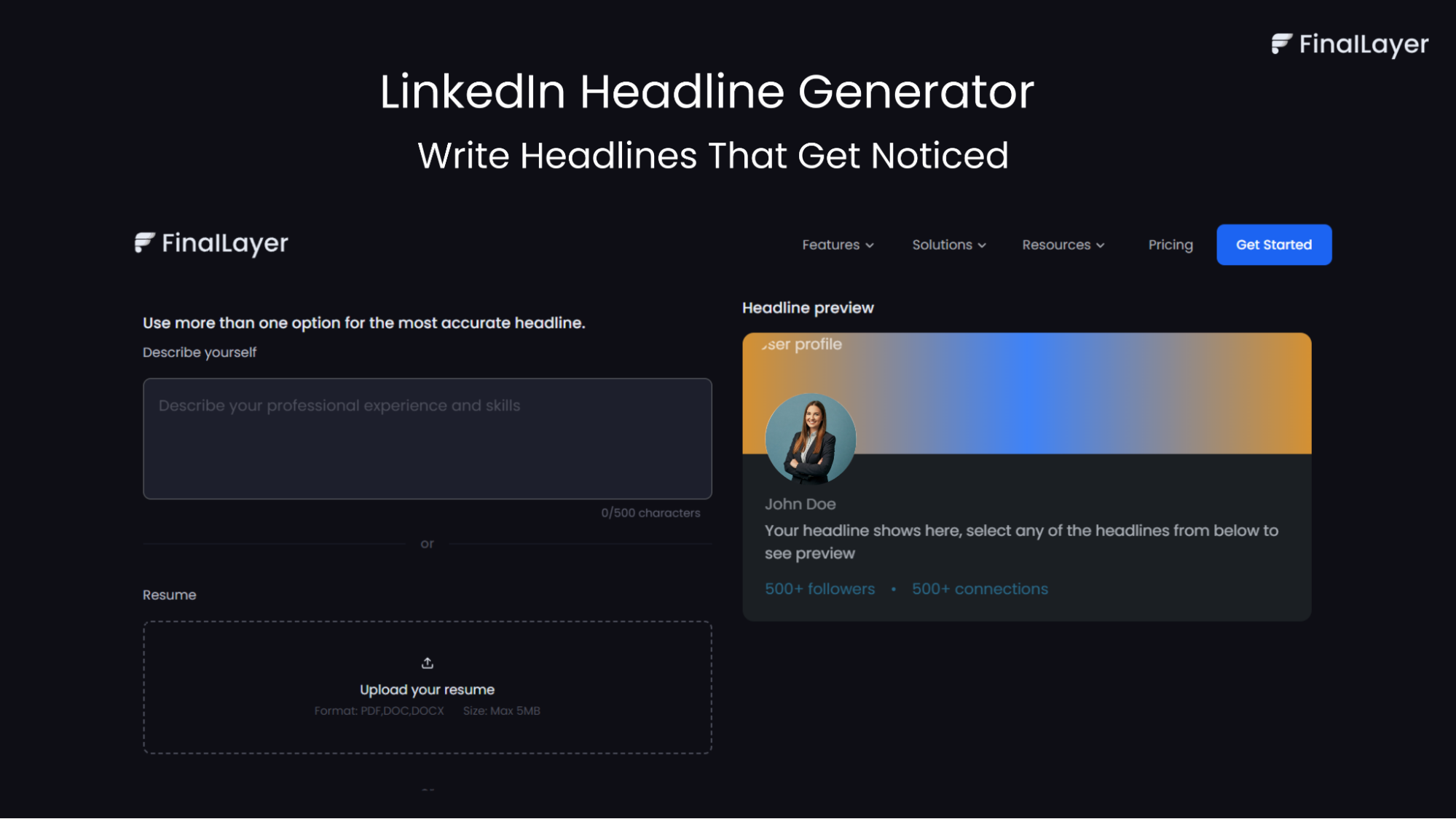
Headline optimization: Communicate who you help and how. "VP of Sales" becomes "Helping B2B SaaS Companies Build Predictable Pipeline | Sales Strategy Expert." This signals relevance to your target buyers.
Read more: How To Write LinkedIn Headlines
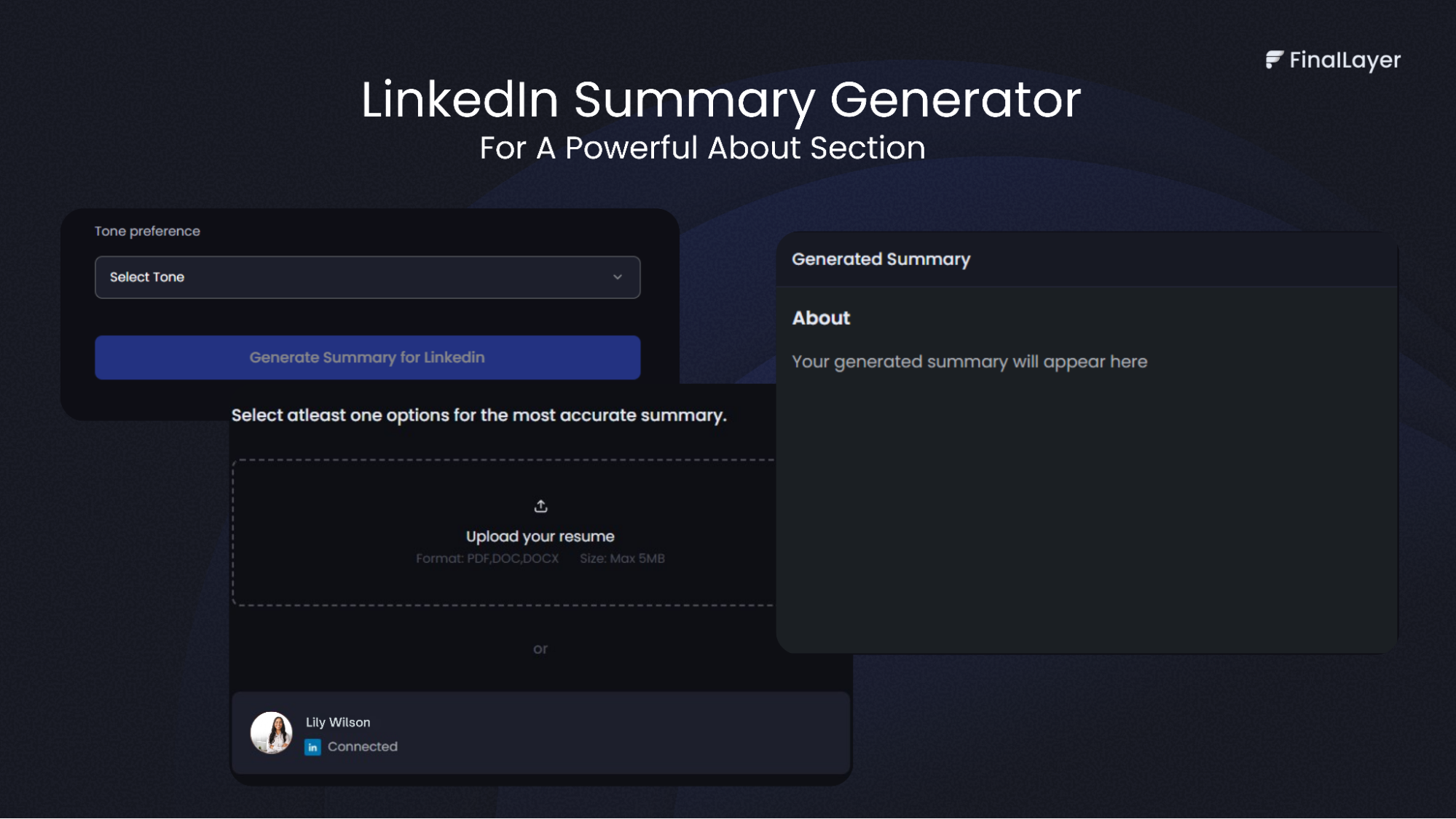
About section as lead magnet: Structure your About section to speak directly to buyer pain points. Open with a problem statement your prospects face. Follow with your approach to solving it. Include specific results you've achieved. End with clear call-to-action directing prospects to book a call or download a resource.
Read more: How To Write A LinkedIn Profile Summary
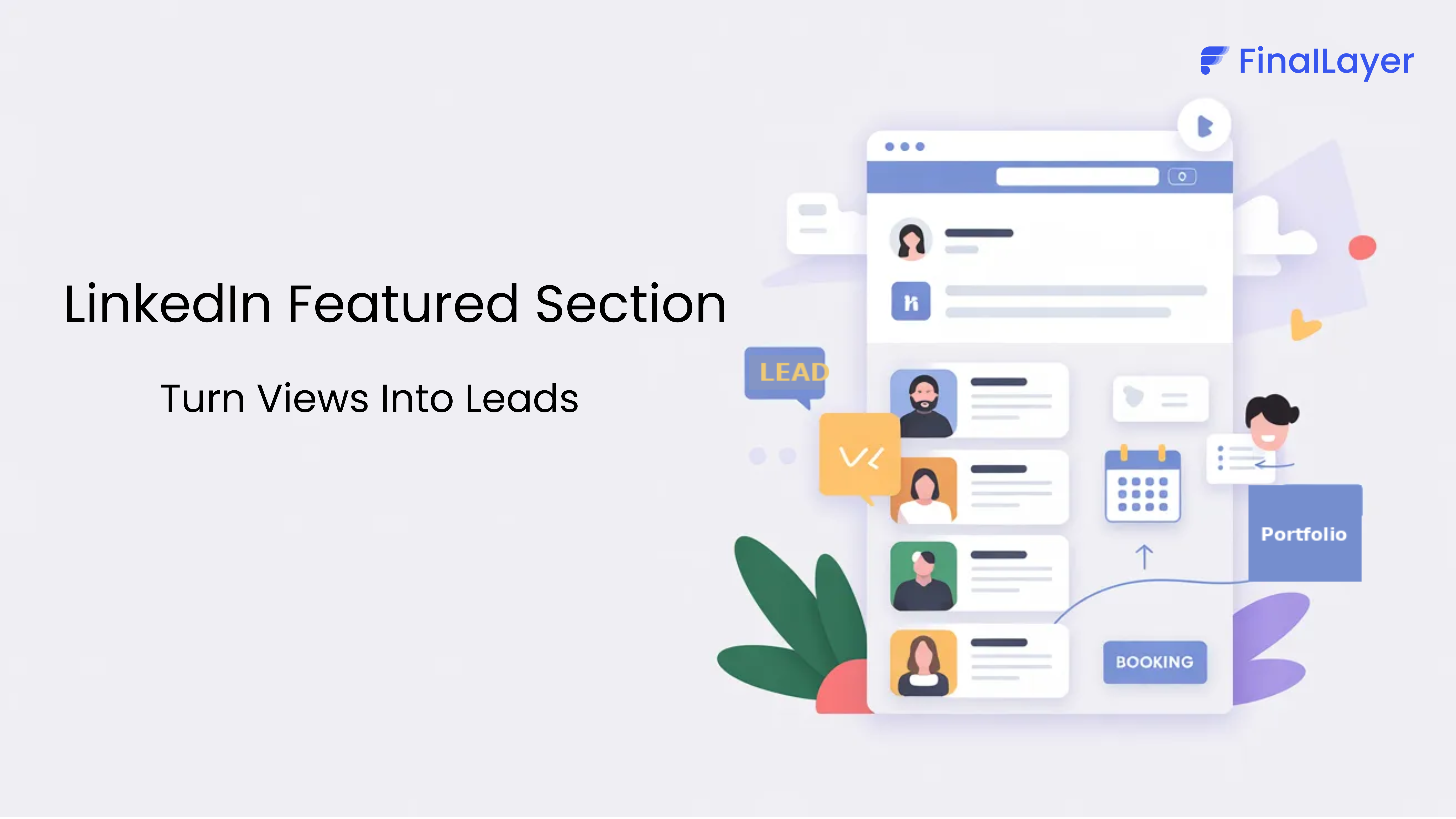
Featured section conversion: Showcase lead magnets, case studies, client testimonials, or valuable resources. Include links to LinkedIn lead gen forms or landing pages that capture contact information.
Experience section credibility: Rewrite job descriptions to emphasize outcomes relevant to your buyers. If you're selling to CFOs, highlight cost savings and ROI improvements you've delivered.
Content Strategy for LinkedIn B2B Lead Generation
Content is the engine of LinkedIn B2B lead generation. Strategic content attracts your ideal prospects, demonstrates expertise, and creates opportunities for conversation.
Content That Attracts B2B Buyers
Problem-focused content: Address specific challenges your target buyers face. "3 Reasons Your Lead Generation Isn't Converting (And How to Fix It)" attracts prospects actively experiencing that pain.
Educational frameworks: Share proprietary methodologies or decision-making frameworks. This positions you as the expert while providing immediate value that buyers appreciate.
Industry insights: Analyze trends, benchmark data, or market shifts affecting your target buyers. This demonstrates you understand their business context beyond just your solution.
Case studies and results: Share specific examples of how you've solved problems for similar companies. Concrete outcomes make your expertise tangible and credible.
Content Frequency and Format
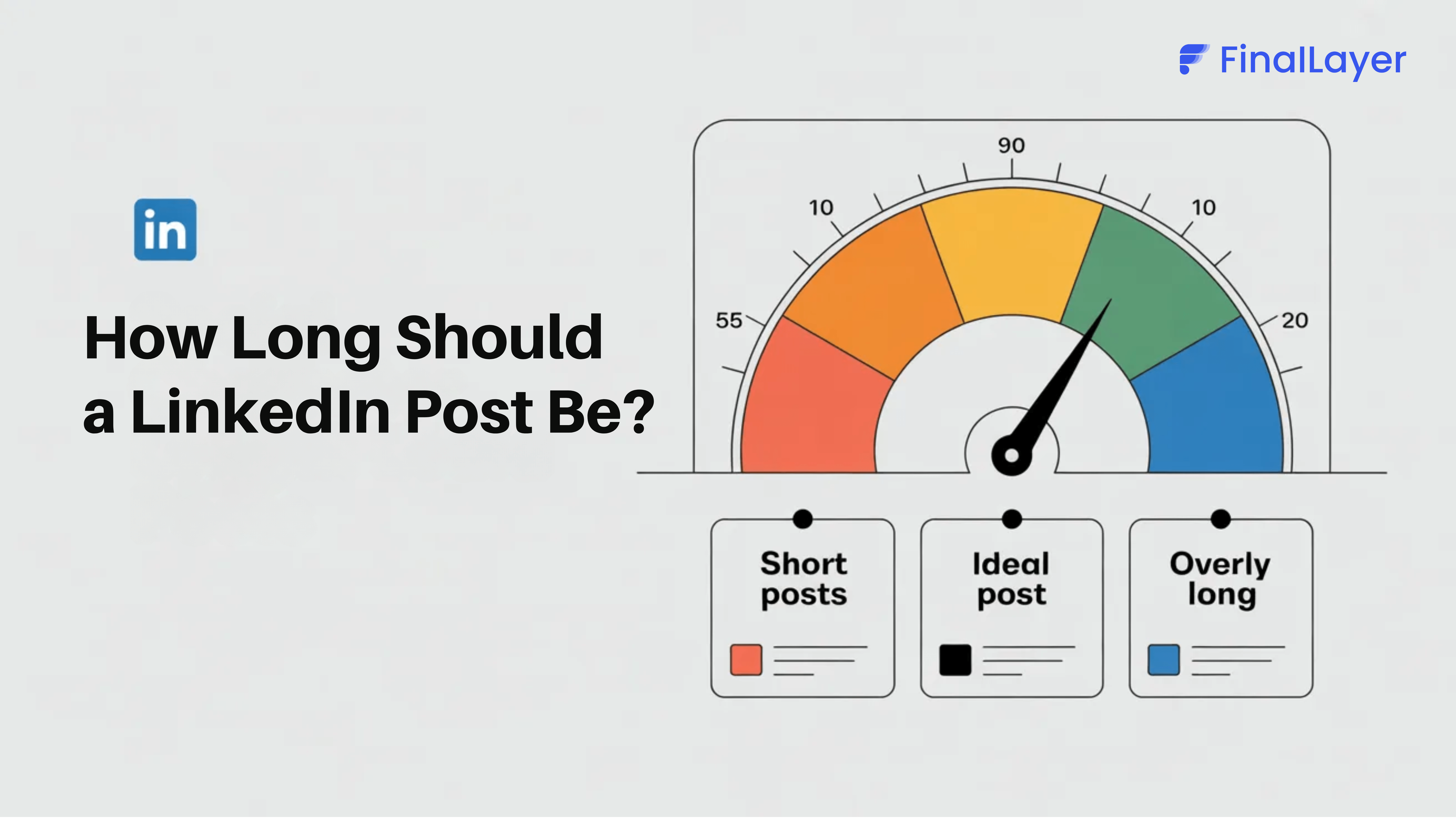
Post 3-4 times weekly minimum for LinkedIn B2B lead generation consistency. This maintains visibility without overwhelming your audience.
Long-form posts (800-1,200 words) demonstrate depth and expertise. Use these for comprehensive frameworks or detailed analysis.
Video content generates 5x more engagement than text-only posts. Record simple insights, client testimonials, or quick tips that humanize your brand.
Carousel posts package frameworks or processes into digestible slides. These generate high saves and shares, extending your reach.
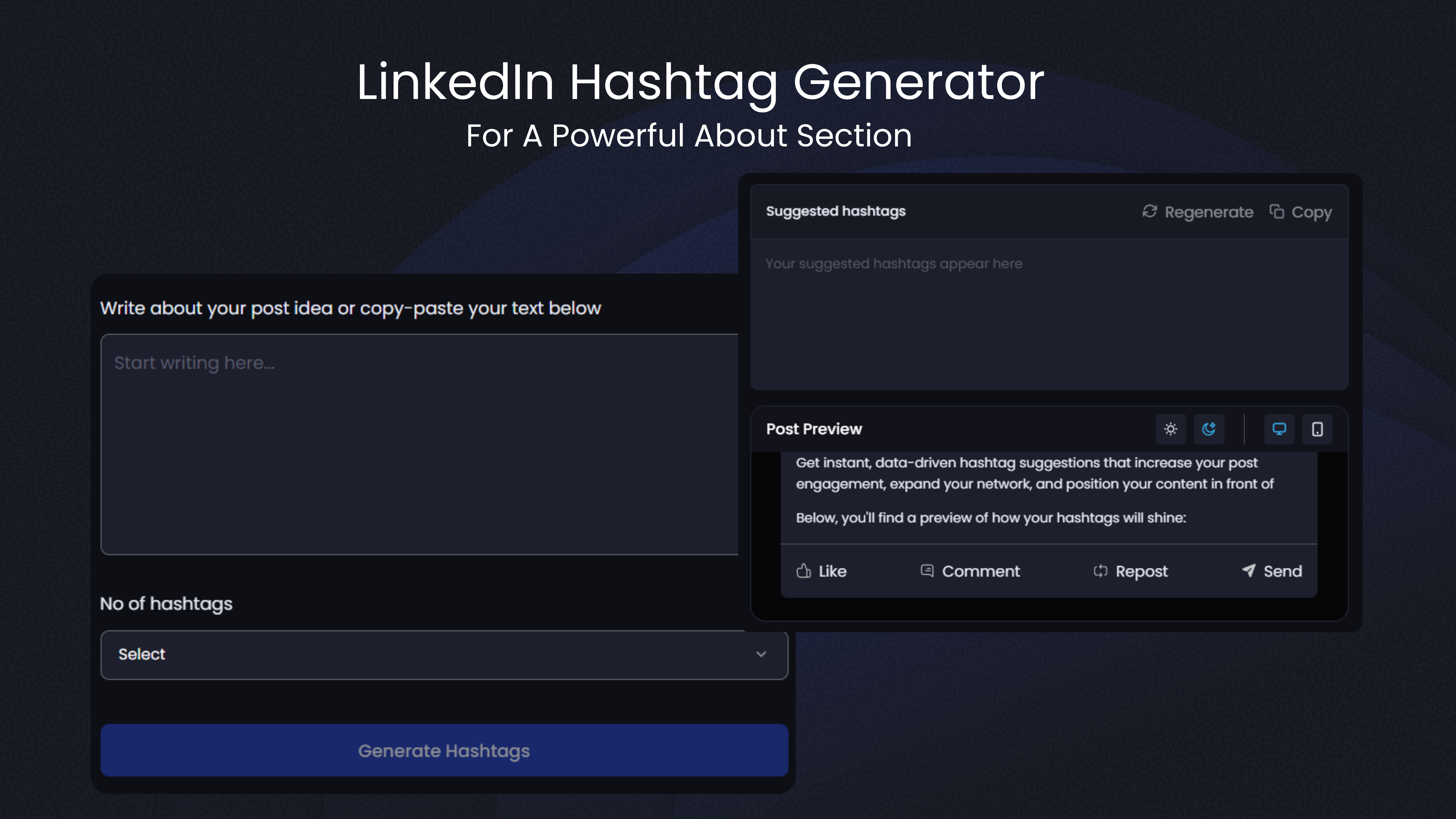
Maintaining consistent content while executing outbound outreach requires a systematic approach. FinalLayer provides AI-powered content creation that maintains your thought leadership presence without sacrificing hours daily.
prompt and optimize for better results.
Our LinkedIn post generator provides personalized post ideas attracting your ideal buyers, creates compelling hooks that capture attention, and structures content demonstrating expertise, freeing your time for high-value prospect conversations.
Strategic Content CTAs
Every post should include a call-to-action aligned with your lead generation goals:
- "Want our complete framework? Download the guide [link]"
- "Facing this challenge? Let's discuss, DM me"
- "Join 2,000+ B2B leaders getting weekly insights [newsletter link]"
Make CTAs specific and low-friction. Asking someone to download a guide converts better than requesting a 30-minute call with strangers.
Leveraging LinkedIn Lead Gen Forms for Conversion
LinkedIn lead gen forms are native forms that pre-fill with user data, dramatically reducing friction and increasing conversion rates for LinkedIn B2B lead generation campaigns.
Why LinkedIn Lead Gen Forms Work
Pre-filled data: Forms automatically populate with LinkedIn profile information, eliminating manual typing and reducing abandonment by 20-30%.
Mobile optimization: Most LinkedIn browsing happens on mobile. LinkedIn lead gen forms provide seamless mobile experience that traditional landing pages can't match.
Higher conversion rates: By staying within LinkedIn, forms convert 2-3x better than sending traffic to external landing pages.
Setting Up Effective Lead Gen Forms
Create LinkedIn lead gen forms through Campaign Manager for sponsored content. Include only essential fields, name, email, company, and 1-2 custom qualification questions maximum.
Offer compelling lead magnets: E-books, templates, frameworks, webinar access, or assessment tools that provide immediate value to prospects.
Write clear value propositions: Your headline should communicate exactly what prospects receive. "Download the B2B Lead Generation Playbook: 47 Tactics to Generate 200+ Qualified Leads Monthly" is specific and compelling.
Enable CRM integration: Connect LinkedIn lead gen forms directly to your CRM so LinkedIn leads flow automatically into your sales process without manual data entry.
Outbound Strategies
While content attracts inbound leads, systematic outbound Linkedin outreach accelerates B2B lead generation results.
Strategic Connection Requests
Send 15-25 personalized connection requests daily to prospects matching your ideal customer profile. Use LinkedIn's advanced search to find prospects by job title, company size, industry, and location.
Personalization formula: Reference something specific about their profile, company, or content they've shared. Explain why connecting would be mutually valuable. Never pitch in connection requests.
Example: "Hi [Name], I noticed your recent post about scaling B2B sales teams, insightful perspective. I work with similar companies on pipeline development and thought we might have valuable insights to share."
Value-First Messaging Sequence
After connecting, implement a multi-touch sequence focused on providing value before asking for anything.
Message 1: Thank them for connecting and asking a question about their current challenges related to your solution area.
Message 2 (3-5 days later): Based on their response, share a specific resource, framework, or insight that helps them. No pitch, just genuine value.
Message 3 (7-10 days later): After delivering value, make a soft offer to discuss their specific situation on a brief call.
This sequence positions your LinkedIn B2B lead generation outreach as consultative rather than transactional.
Converting LinkedIn Leads to Sales Opportunities
Generating LinkedIn leads is only half the equation. Converting them into qualified sales opportunities requires systematic follow-up and nurturing.
Lead Qualification Framework
Not all LinkedIn leads are equal. Implement qualification criteria:
Demographic fit: Do they match your ideal customer profile in terms of company size, industry, and role?
Engagement signals: Have they engaged with multiple pieces of your content or responded to messages?
Timing indicators: Are they experiencing triggers that suggest need, recent funding, leadership changes, rapid growth?
Budget authority: Do they have decision-making power or significant influence over purchasing decisions?
Lead Nurturing Strategy
Most LinkedIn leads aren't ready to buy immediately. Implement nurturing sequences:
Email sequences: After capturing leads through LinkedIn lead gen forms, add them to targeted email nurtures providing additional value and education.
Retargeting campaigns: Use LinkedIn's Website Retargeting to show relevant ads to people who've engaged with your content.
Content progression: Guide leads from top-of-funnel educational content toward bottom-of-funnel case studies and demonstrations.
Measuring Success
Track metrics indicating whether your LinkedIn B2B lead generation efforts generate real pipeline and revenue.
Key Performance Indicators
Profile views: Should increase steadily as your visibility grows.
Content engagement rate: Calculate total engagement divided by impressions. Rates above 3% indicate your content resonates.
Connection acceptance rate: Should exceed 40% with proper targeting and personalization.
Lead volume: Track monthly LinkedIn leads generated through various channels.
Lead quality: Measure what percentage of LinkedIn leads meet your qualification criteria and convert to sales opportunities.
Pipeline value: Calculate total opportunity value generated from efforts.
Revenue attribution: Track closed deals back to their LinkedIn origin to prove ultimate business impact.
Advanced Tactics
LinkedIn Sales Navigator
Sales Navigator ($99/month) provides advanced features specifically for LinkedIn B2B lead generation:
Advanced lead search with 40+ filters including company headcount growth and recent funding.
Real-time alerts when prospects change jobs or appear in news, perfect triggers for timely outreach.
InMail credits to reach prospects outside your network with higher open rates than cold email.
Account-Based Marketing
For enterprise LinkedIn B2B lead generation, implement ABM strategies:
Upload target account lists and use LinkedIn's account targeting to show ads only to employees at specific companies.
Engage with content from multiple stakeholders at target accounts to build multi-threading relationships.
Conclusion
Start by optimizing your profile and company page. Develop content that attracts and educates your target buyers. Implement systematic outreach to ideal prospects. Use forms to capture interested prospects with minimal friction. Nurture LinkedIn leads through multiple touchpoints until they're ready to buy. The B2B companies generating consistent pipelines aren't lucky, they're strategic and consistent. Success comes from sustained effort that compounds over time.