With over 930 million professionals on the platform, including corporate counsel, business owners, and decision-makers, LinkedIn for lawyers offers unprecedented access to potential clients actively seeking legal expertise.
Yet most attorneys struggle with LinkedIn for lawyers, treating it as an afterthought or simply posting firm announcements that generate zero engagement. The difference between lawyers who generate consistent referrals and those who waste time on LinkedIn comes down to strategic approach, consistent execution, and understanding what actually works in LinkedIn marketing for lawyers.
This comprehensive guide will transform your approach to LinkedIn for lawyers, providing proven frameworks that establish authority, attract ideal clients, and build a sustainable pipeline. Whether you're a solo practitioner, partner at a mid-size firm, or part of LinkedIn for law firms, mastering this platform is essential for modern legal practice development.
Why LinkedIn for Lawyers Matters More Than Ever
LinkedIn for lawyers has become non-negotiable because the legal buying journey has fundamentally changed. General counsel, business owners, and executives research attorneys online long before reaching out. Your LinkedIn presence often determines whether you're considered for high-value matters.
The Shifting Legal Landscape
Corporate clients expect digital presence: 76% of corporate counsel research attorneys on LinkedIn before making hiring decisions. LinkedIn for lawyers provides the platform to demonstrate expertise, showcase results, and build credibility before the first conversation.
Referral amplification:
LinkedIn marketing for lawyers doesn't replace traditional referral networks, it amplifies them. Your network can easily share your content, introduce you to prospects, and recommend you to their connections at scale.
Thought leadership positioning:
Publishing insights through LinkedIn for lawyers positions you as the expert potential clients discover when researching legal issues. This dramatically shortens the sales cycle and increases conversion rates.
Competitive differentiation:
While most attorneys have basic LinkedIn profiles, few use LinkedIn marketing for lawyers strategically. This creates enormous opportunities for lawyers who invest in building genuine presence.
Building Your LinkedIn for Lawyers Foundation
Before implementing advanced strategies, establish the foundation that makes effective practice development possible.
Profile Optimization for Legal Professionals
Your profile is the conversion point for all LinkedIn marketing for lawyers efforts. When potential clients discover you through content, search, or referrals, your profile must immediately establish credibility.
Headline strategy:
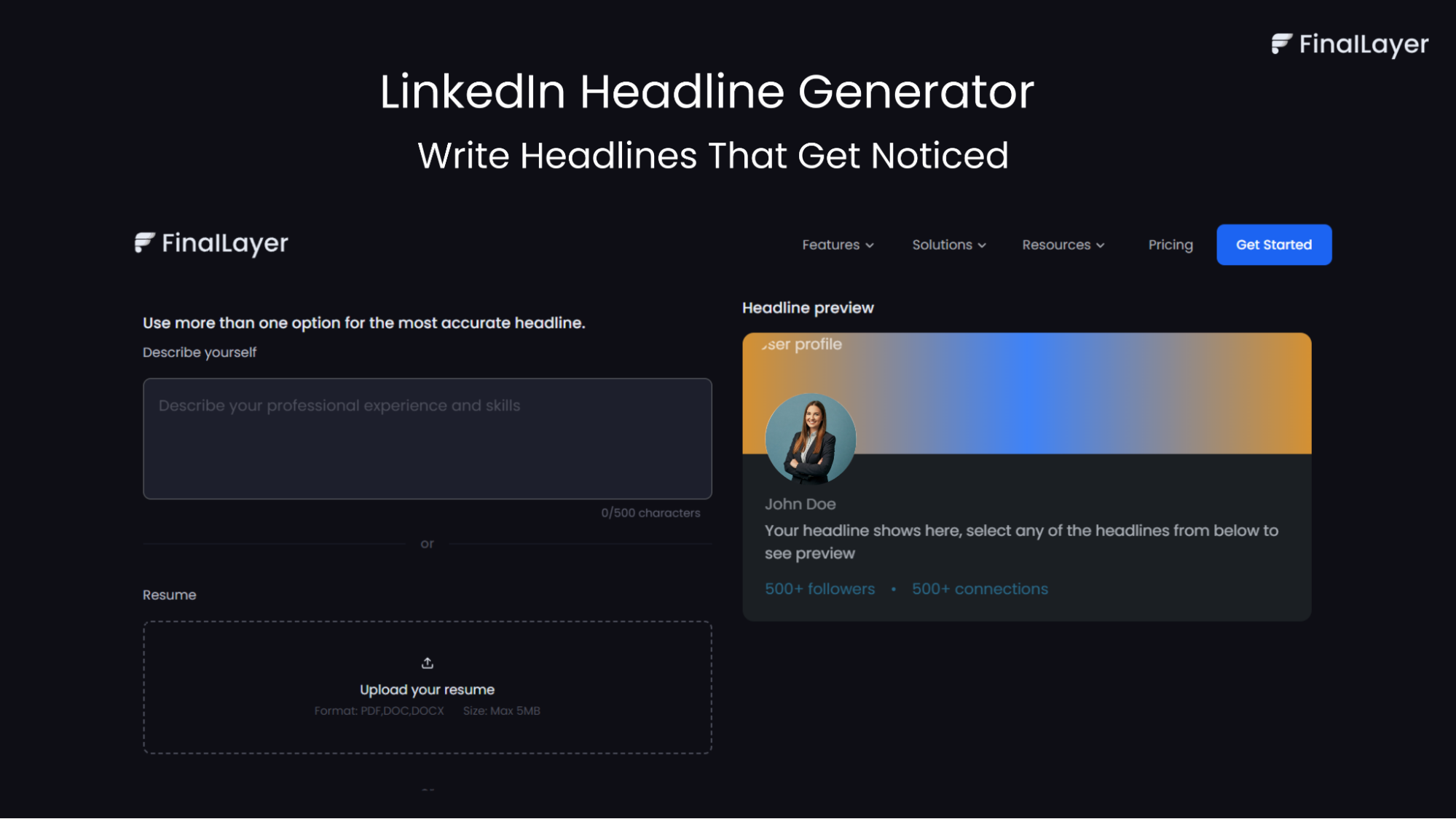
Move beyond "Attorney at [Firm Name]" to communicate specific value. "Helping Technology Companies Navigate Complex IP Litigation | Patent Attorney" or "Corporate M&A Attorney | Guiding Private Equity Through $500M+ Transactions" immediately signals specialization.
About section for lawyers:
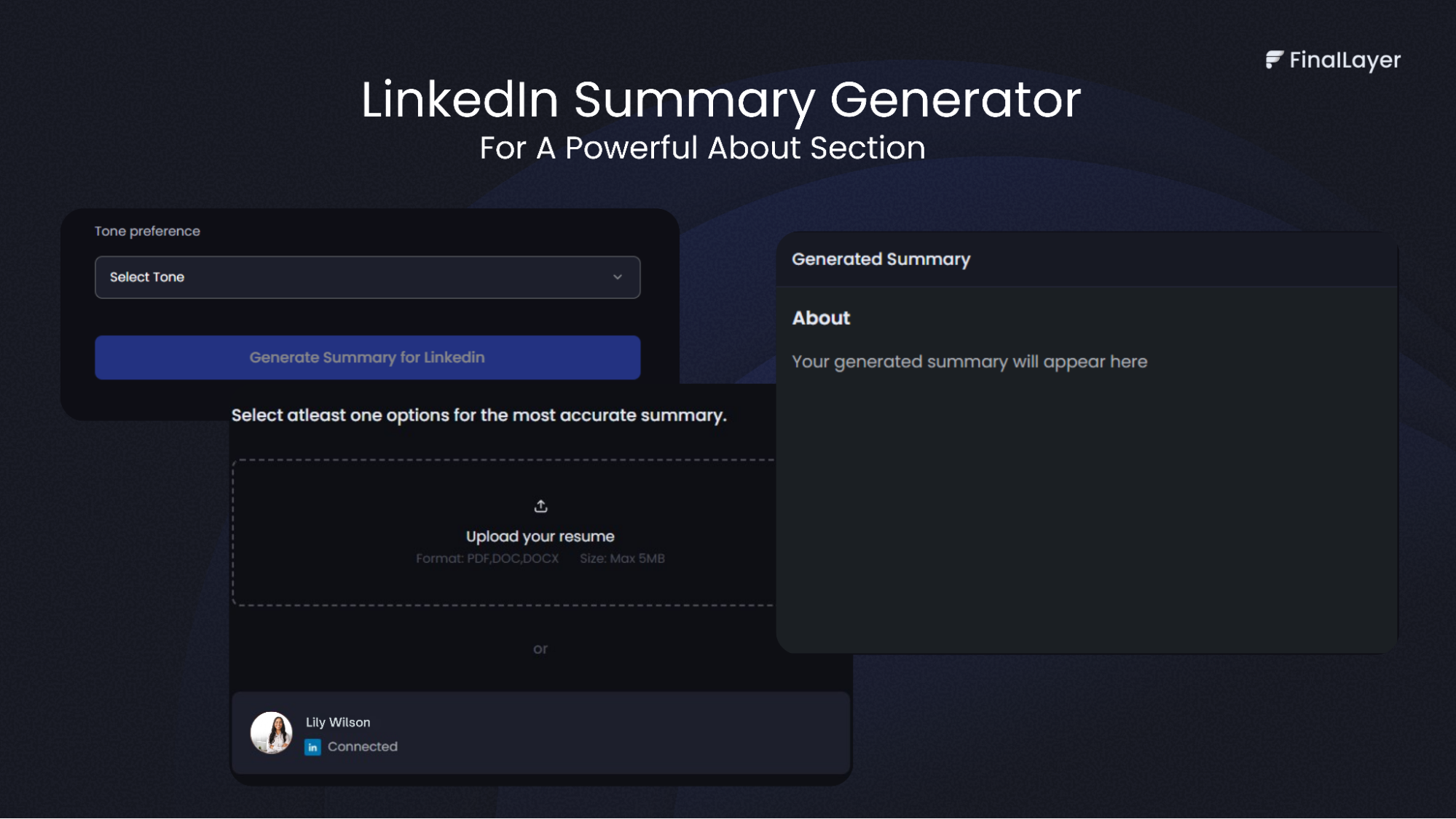
Structure your About section to address client needs, not chronicle your career.
Open with the specific problems you solve for specific clients: "Corporate counsel at mid-market technology companies face increasing regulatory complexity. I help them navigate compliance challenges while protecting their competitive advantages."
Share your approach or philosophy. Explain what makes your legal services distinct: "My practice focuses on proactive risk mitigation rather than reactive crisis management."
Provide social proof with specific results: "Over the past decade, I've helped 50+ technology companies successfully navigate regulatory investigations, achieving favorable outcomes in 90% of matters."
Include clear call-to-action: "If you're facing [specific legal challenge], let's discuss how I can help. Message me directly or connect to stay updated on [practice area] developments."
Read more: How To Write About Section
Experience section optimization:
Rewrite job descriptions to emphasize outcomes, not responsibilities. Instead of "Represented clients in commercial litigation," write "Successfully defended Fortune 500 clients in $50M commercial dispute, achieving complete dismissal of claims and recovering $2M+ in legal fees."
Featured content:
Showcase your best articles, case results (where permissible), speaking engagements, or client testimonials. This section provides immediate proof of expertise.
Strategic Positioning for LinkedIn Marketing for Lawyers
Generic "full-service attorney" positioning fails on LinkedIn. Successful LinkedIn marketing for lawyers requires focus on specific practice areas and client types.
Define your niche:
Who specifically do you serve? "Business owners" is too broad. "Founders of venture-backed SaaS companies navigating Series A-B growth" is actionable for content and targeting.
Identify pain points:
What specific legal challenges keep your ideal clients awake? Your content should systematically address these issues.
Competitive positioning:
What makes your approach distinct? Perhaps you provide fixed-fee arrangements, have specialized industry experience, or offer preventive counseling rather than just reactive representation.
Clear positioning makes every aspect of LinkedIn for lawyers, from content to connection requests, significantly more effective because you're speaking directly to a defined audience's specific needs.
Content Strategy: The Core of LinkedIn Marketing for Lawyers
Content creation is the engine of effective LinkedIn marketing for lawyers. Consistent, valuable content establishes expertise, attracts ideal clients, and generates referrals.
What to Share on LinkedIn for Lawyers
Legal insights and analysis:
Break down recent court decisions, regulatory changes, or legislative developments relevant to your practice area. Explain implications for your target clients in plain language.
Practical guidance:
Share actionable frameworks, checklists, or decision trees that help potential clients navigate legal issues. "5 Questions Every Founder Should Ask Before Signing Their First Commercial Lease" provides immediate value while demonstrating expertise.
Case studies and results:
Where ethics rules permit, share anonymized case studies highlighting specific problems solved and results achieved. Focus on the client's challenge, your approach, and the outcome.
Industry trends:
Comment on business, regulatory, or market trends affecting your clients. This positions you as understanding both legal and business contexts.
Myth-busting content:
Address common misconceptions about legal issues in your practice area. "Why Your Operating Agreement Probably Won't Protect You in a Partner Dispute (And What Will)" grabs attention while educating prospects.
Maintaining consistent, valuable LinkedIn presence while serving clients requires a systematic approach. FinalLayer helps attorneys and lawyers maintain active presence without sacrificing billable hours.
{LINKEDIN_CTA| cta_slug=LINKEDIN_CTA}}
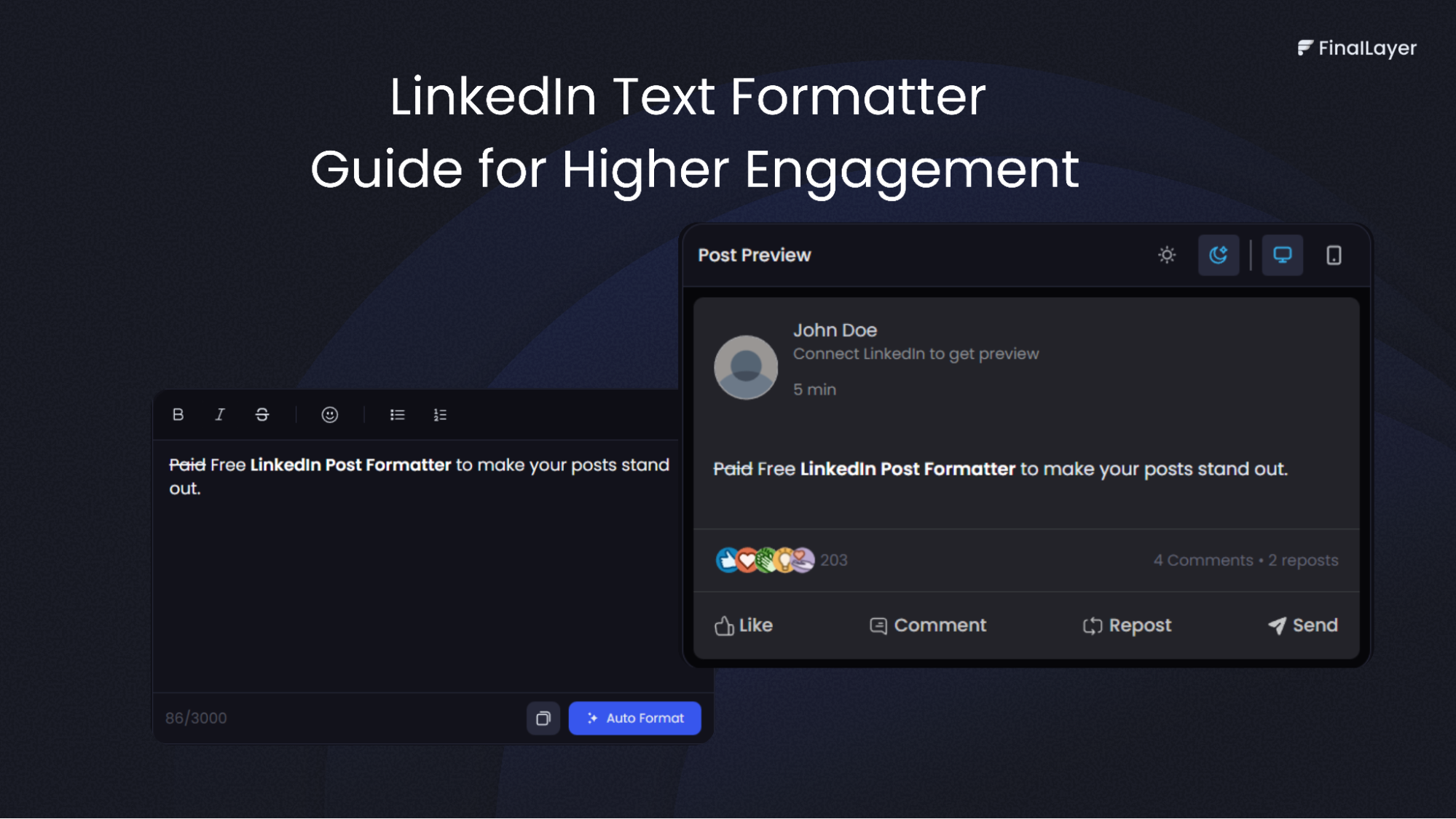
Our LinkedIn Post Generator provides personalized post ideas about legal topics relevant to your practice, creates compelling hooks that grab attention, and structures content that demonstrates expertise, all while maintaining your authentic voice.
Content Frequency and Consistency
Successful LinkedIn marketing for lawyers requires consistency. Posting sporadically doesn't build the awareness and authority that drives business development.
Recommended posting cadence:
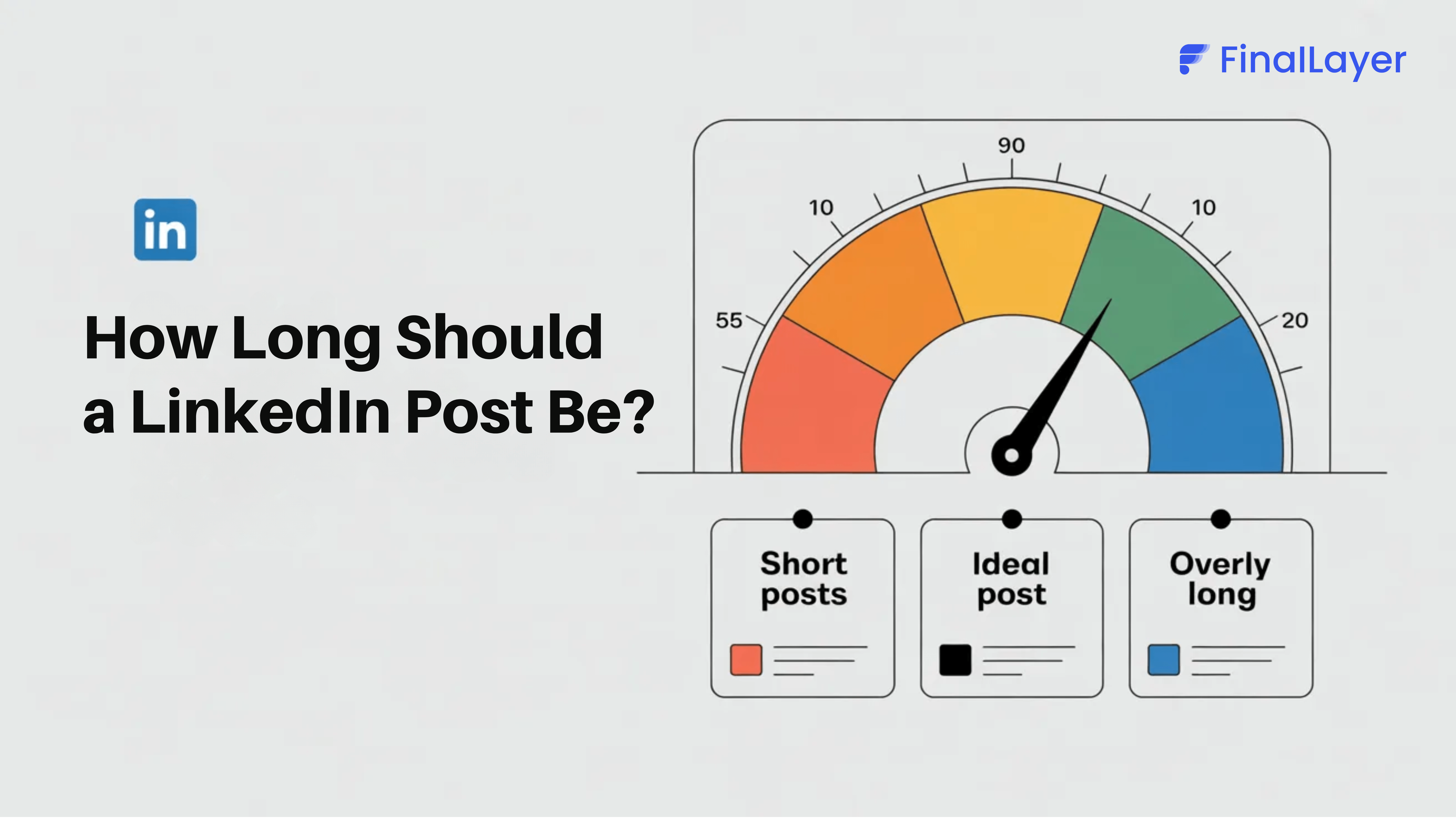
2-3 posts weekly minimum. This frequency maintains visibility without overwhelming your network. Daily posting works if you can maintain quality, but consistency matters more than volume.
Content batching:
Schedule linkedin posts 2 hours weekly to create multiple posts at once. This systematic approach makes content creation sustainable rather than dependent on daily inspiration.
Engagement time:
Spend 15-20 minutes daily commenting thoughtfully on posts from potential clients, referral sources, and industry leaders. This amplifies your visibility and builds relationships.
Content Formats That Work
Long-form posts (800-1,200 words):
Deep dives into complex legal issues. These demonstrate expertise and generate high-quality engagement from serious prospects.
Document carousels:
Multi-slide PDFs breaking down frameworks, processes, or checklists. LinkedIn's algorithm favors native content, giving carousels strong organic reach.
Short-form insights (200-400 words):
Quick takes on breaking legal news or timely developments. These keep you visible between longer pieces.
Video content:
Brief explanations of legal concepts, reactions to news, or practical tips. Video generates 5x more engagement than text-only posts.
LinkedIn articles:
Comprehensive guides (1,500+ words) that remain on your profile permanently. These serve as evergreen resources that continue attracting profile views.
Building Your Network Through LinkedIn for Law Firms
Individual lawyer presence drives results, but LinkedIn for law firms requires coordinated strategy across attorneys to maximize impact.
Strategic Connection Building
Target ideal clients:
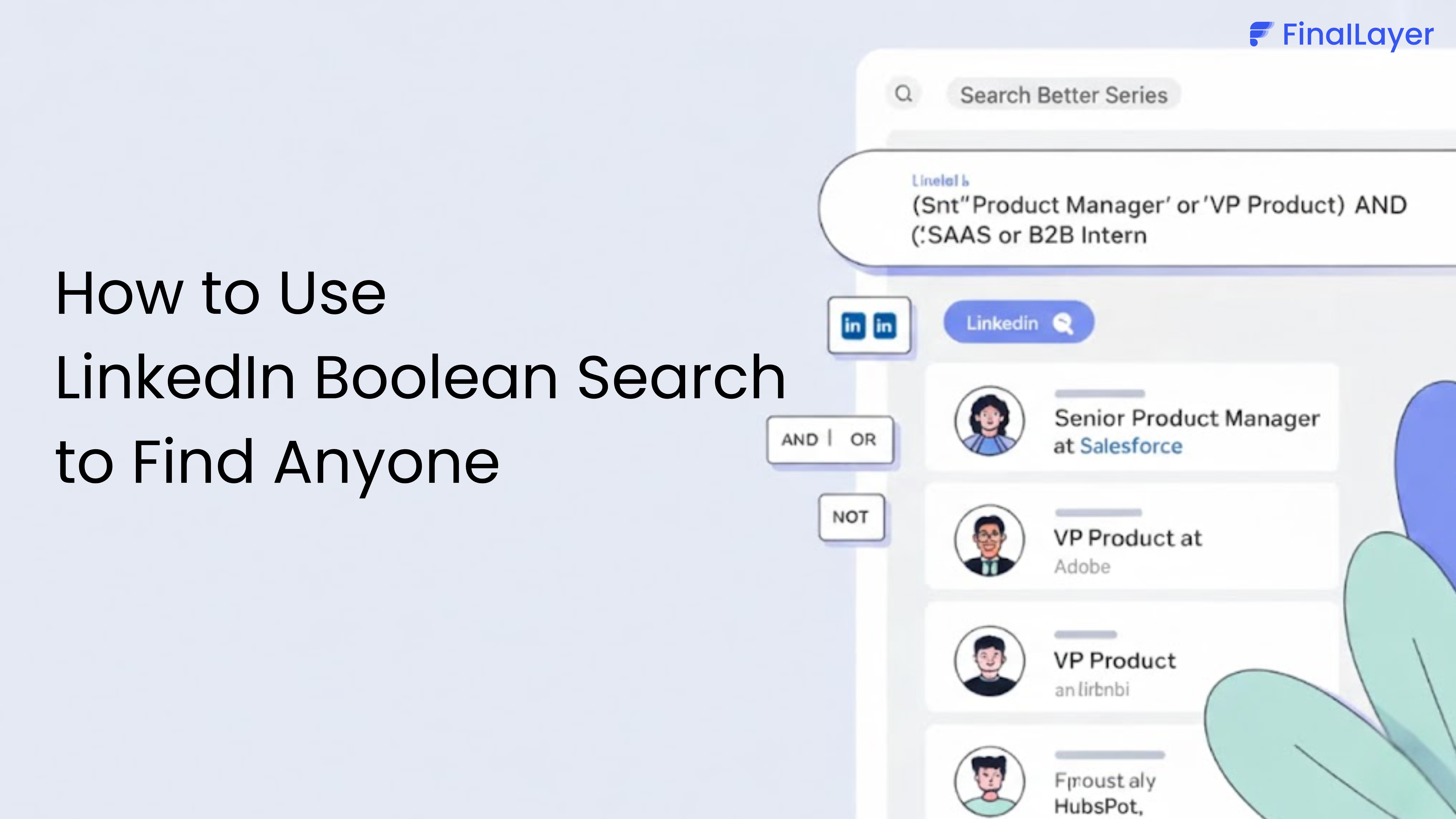
Use LinkedIn search to identify general counsel, executives, or business owners matching your ideal client profile. Send personalized connection requests referencing shared interests, mutual connections, or specific content they've shared.
Engage referral sources:
Connect with other attorneys in complementary practice areas, consultants serving your target clients, and industry leaders who influence your prospects.
Alumni networks:
Your law school and undergraduate alumni are natural connection points. These shared backgrounds create immediate rapport for relationship building.
Former colleagues and clients:
Maintain connections with attorneys you've worked with and clients you've served (where appropriate). These become your strongest referral sources.
Firm-Wide LinkedIn Coordination
For LinkedIn for law firms, individual efforts compound when coordinated strategically.
Content amplification: When one attorney publishes valuable content, other firm lawyers can share it with their networks, exponentially increasing reach for LinkedIn marketing for lawyers.
Complementary positioning: Different attorneys focus content on different aspects of firm capabilities. One partner emphasizes litigation, another focuses on transactional work, creating comprehensive coverage.
Consistent firm branding: While individual voices remain authentic, LinkedIn for law firms benefits from consistent messaging about firm values, approach, and culture across attorney profiles.
Employee advocacy: Encourage associates and staff to connect with firm content and selectively share posts. This dramatically expands firm visibility.
Advanced LinkedIn Marketing for Lawyers Tactics
The Warm Outreach Sequence
Cold outreach rarely works for LinkedIn for lawyers. Instead, warm prospects through content before reaching out.
Week 1-2: Engage with their posts by leaving thoughtful comments that add value, not generic "great post" reactions.
Week 3: Send personalized connection request: "Hi [Name], I've appreciated your insights on [specific topic]. I focus on [your specialty] for [their industry] and thought we might have valuable perspectives to share."
Week 4: After connecting, send a value-first message: "Thanks for connecting. I'm curious, what's your current approach to [relevant legal challenge]? Always interested to hear how other [their role] professionals handle this."
This sequence positions your approach as consultative and helpful rather than transactional.
LinkedIn Articles for Thought Leadership
Publishing long-form LinkedIn articles establishes you as the authority in your niche for LinkedIn for lawyers.
Article topics that work:
- Comprehensive guides to specific legal processes
- Annual recaps of major developments in your practice area
- Detailed analysis of landmark cases
- Predictions and trends for your industry
Articles remain on your profile permanently, creating evergreen content that attracts prospects months or years after publication.
Speaking and Event Promotion
Use your presence to promote speaking engagements, webinars, or workshops you're hosting. Create event posts, share registration links, and post key takeaways afterward. This demonstrates active thought leadership while providing multiple touchpoints with your network.
Measuring LinkedIn for Lawyers Success
Track metrics that indicate whether your LinkedIn marketing for lawyers generates business development results:
Profile views: Should increase steadily month-over-month. Spikes indicate content resonated or you appeared in relevant searches.
Connection growth: Track not just total connections, but growth among your target client profiles specifically.
Content engagement: Monitor which topics and formats generate highest engagement from ideal clients. Double down on what works.
Inbound inquiries: The ultimate measure, how many potential clients reach out directly because of your presence?
Referral mentions: Track how often referral sources mention they recommended you after seeing your LinkedIn content.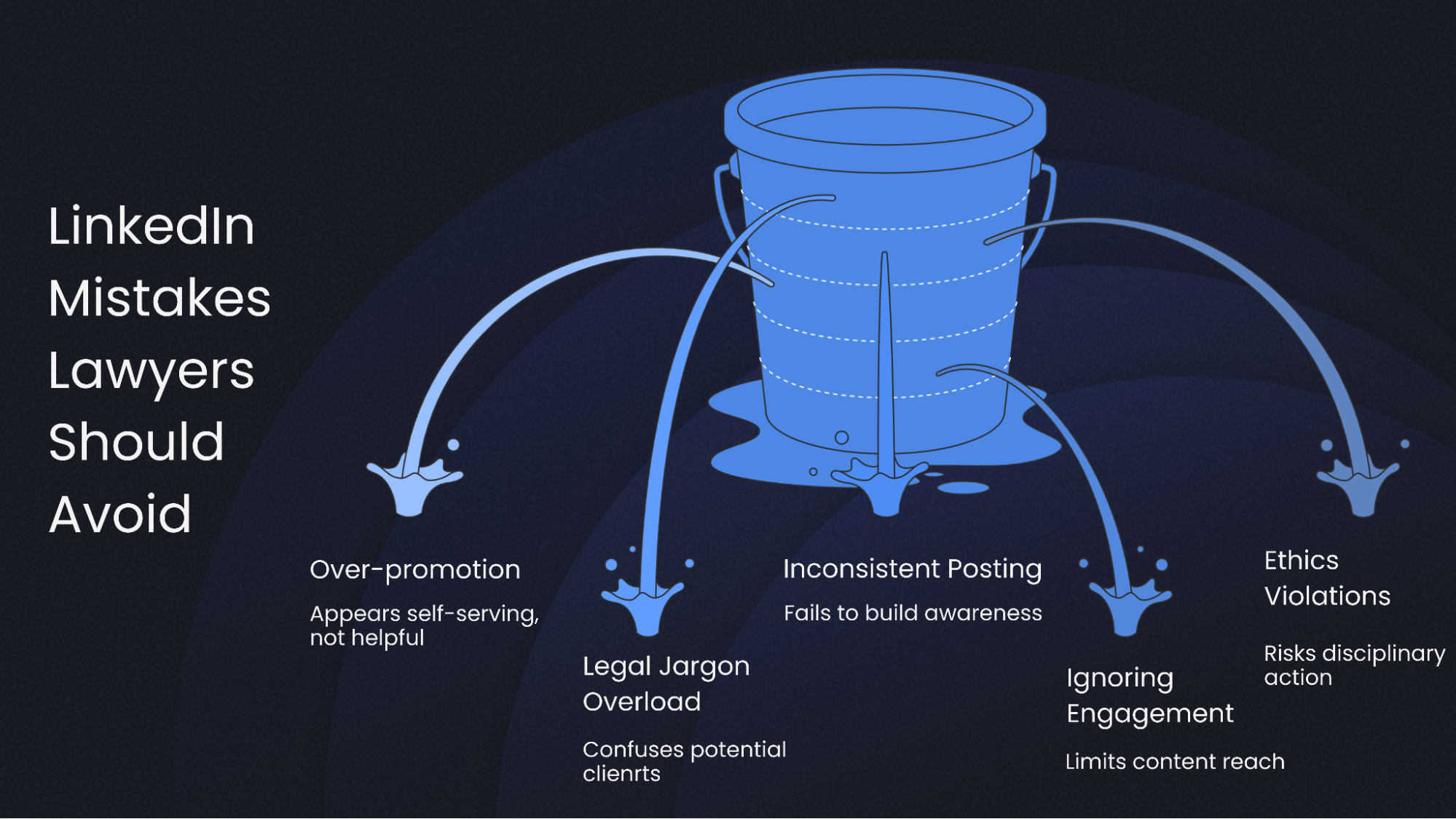
Final Thoughts
The attorneys generating consistent new matters focus on providing genuine value, demonstrating deep expertise, and building relationships over time. Start by optimizing your profile to convert browsers into connections. Then commit to consistent content that addresses your ideal clients' specific challenges. The compound effect of consistent efforts becomes evident after 3-6 months. Early content builds your archive of expertise. Your network grows strategically. Referral sources begin sharing your insights. Potential clients discover you when researching legal issues.