Over 95% of recruiters use LinkedIn for sourcing, yet most struggle to stand out in a market where every candidate receives dozens of InMails monthly. The platform has evolved dramatically, skills-based hiring is replacing degree requirements, AI tools are changing how recruiters work, and candidates increasingly research recruiters before responding to outreach.
This guide provides a comprehensive LinkedIn recruiting strategy that addresses modern talent acquisition challenges while helping you build a sustainable pipeline.
What is LinkedIn Recruiter?
LinkedIn Recruiter is a premium hiring platform designed for recruiters and talent acquisition teams to find, connect with, and manage candidates efficiently. It offers advanced search filters, AI-powered recommendations, and InMail messaging, allowing recruiters to reach both active and passive candidates beyond their immediate network.
What Does LinkedIn Recruiter Do?
LinkedIn Recruiter helps hiring professionals streamline the entire recruitment process. Here’s what it primarily does:
- Finds candidates using advanced search filters (skills, location, experience, etc.)
- Provides AI-driven candidate recommendations
- Enables direct messaging via InMail
- Allows recruiters to save and organize candidates into projects
- Tracks hiring pipelines and team collaboration
- Offers insights and analytics to improve hiring decisions
Building Your Foundation: Profile Optimization for LinkedIn Recruiting
Before mastering LinkedIn sourcing techniques, optimize your own Linkedin profile and presence. Candidates research recruiters before responding. Your profile determines whether they engage or ignore your outreach.
How Does LinkedIn Recruiter Work?
LinkedIn Recruiter works by combining advanced search capabilities with candidate management tools. Here’s how it works step-by-step:
- Search for candidates using filters like job title, skills, location, and experience
- Use AI-powered recommendations to discover relevant profiles
- Save potential candidates into projects or talent pools
- Reach out using InMail, even if you're not connected
- Track responses and manage candidates through the hiring pipeline
- Collaborate with team members and share candidate notes
Why Use LinkedIn Recruiter?
Using LinkedIn Recruiter gives businesses a competitive advantage in hiring. Key benefits include:
- Access to a massive global talent pool
- Ability to connect with passive candidates
- Higher response rates through InMail messaging
- Advanced filtering for precise candidate targeting
- Built-in collaboration tools for hiring teams
- Data-driven insights for better recruitment strategies
The Recruiter Profile Framework
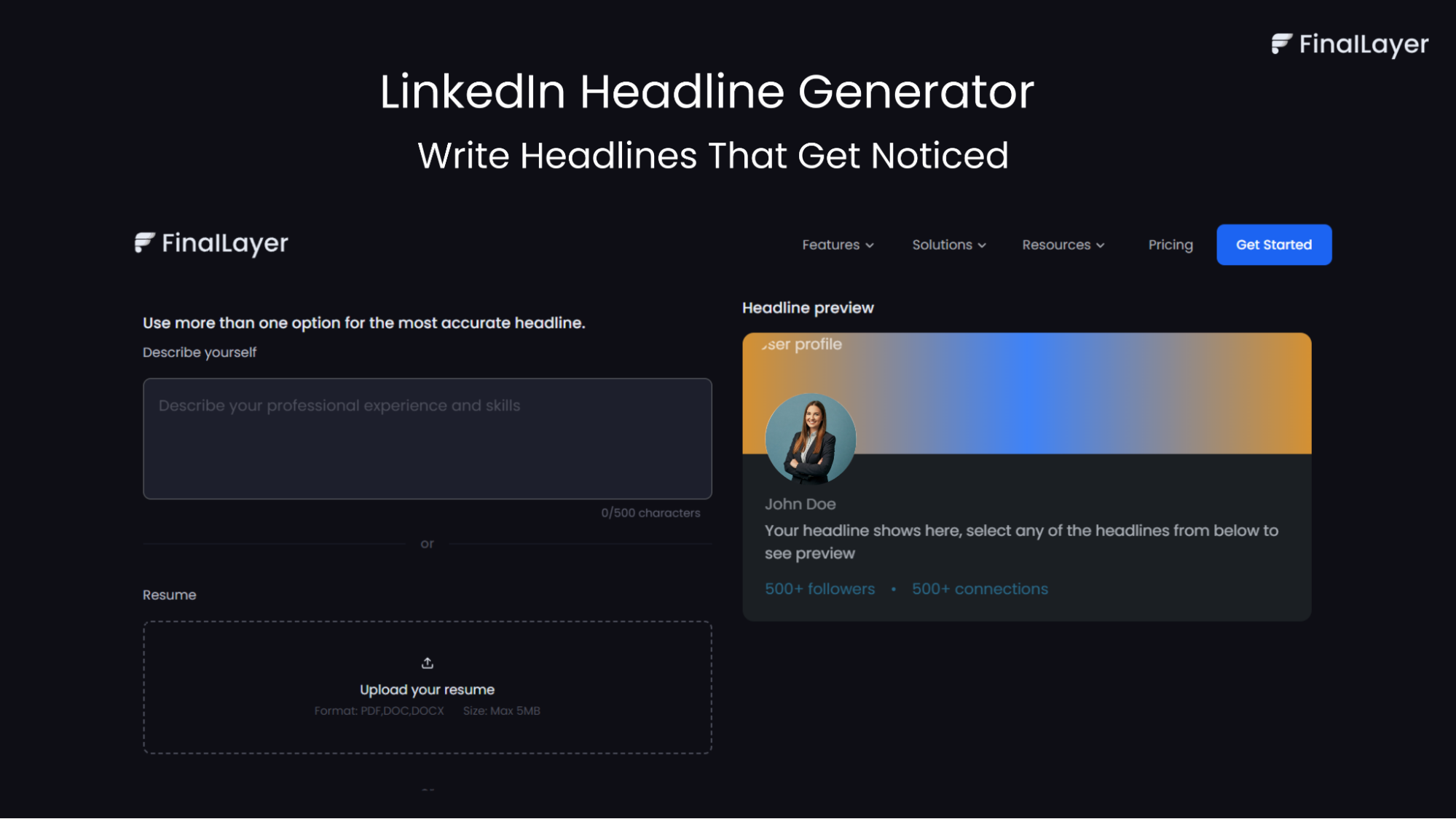
Headline clarity matters - Instead of "Senior Recruiter at [Company]," try "Tech Recruiter | Placing Senior Engineers at [Company] | Ex-Google Talent Acquisition." Specificity helps candidates self-qualify and signals expertise.
If you want more headline examples, see this guide on LinkedIn headlines that increase profile views.
About section credibility - Share your recruiting philosophy, specialties, and what makes working with you different. Include specific outcomes: "Placed 47 senior engineers in 2024, average time-to-hire 28 days." Data builds trust that generic statements never achieve.
Featured section showcase - Pin successful placements (with permission), thought leadership posts about LinkedIn recruiting, or testimonials from candidates you've placed. This social proof dramatically improves response rates.
Experience storytelling - Instead of listing responsibilities, highlight recruiting achievements: "Built engineering pipeline from 0 to 200+ qualified candidates in 6 months" tells a story generic job descriptions miss.
Mastering LinkedIn Sourcing: Beyond Basic Search
Effective LinkedIn for recruiters requires understanding search mechanics that most never master.
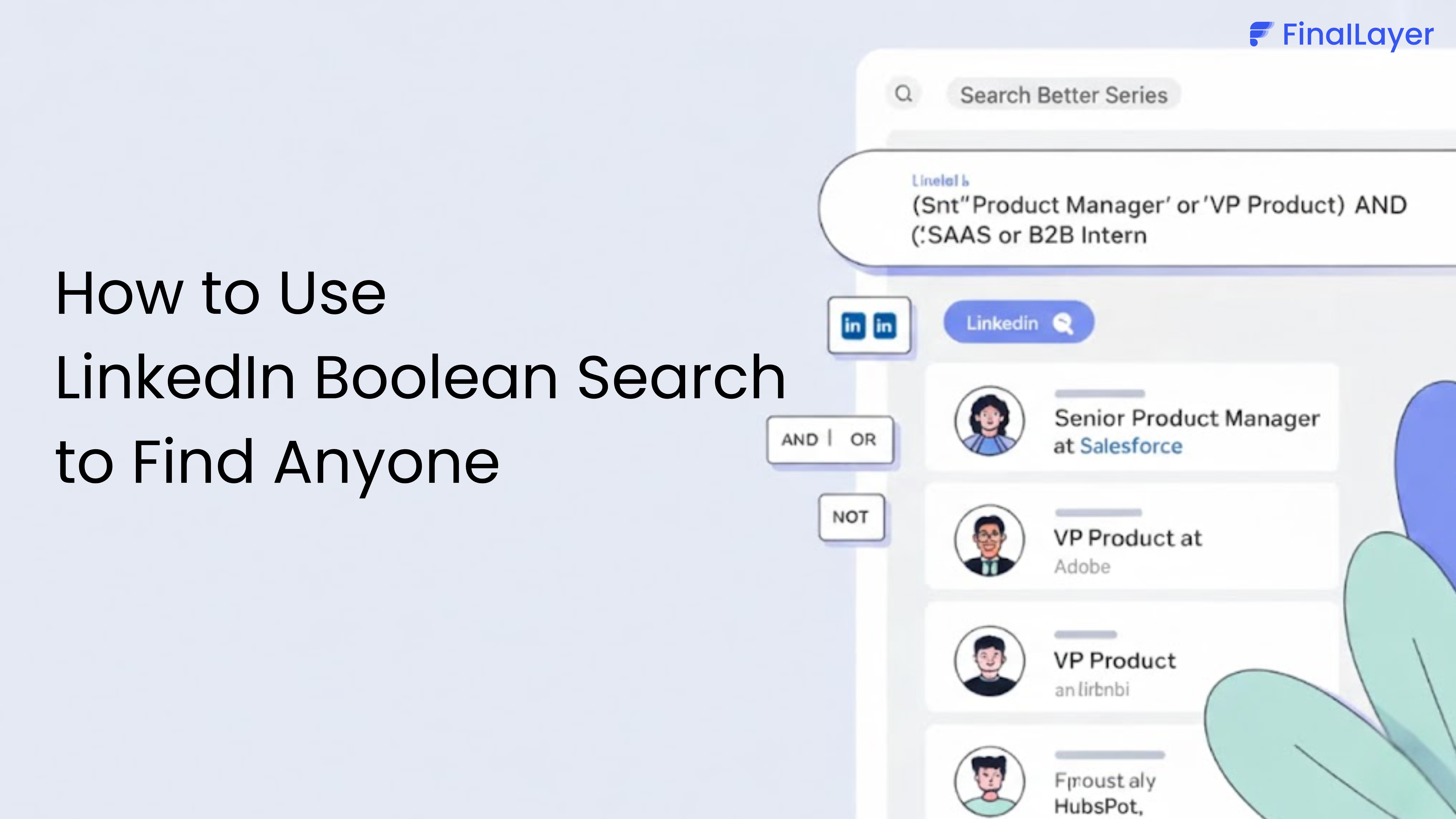
Boolean Search Mastery
LinkedIn sourcing starts with precise boolean strings that surface candidates others miss:
Basic structure:
(title:engineer OR title:"software developer")
AND (python OR java)
NOT (manager OR director)
Advanced techniques LinkedIn for recruiters should know:
- Proximity operators: Use AROUND to find terms within X words of each other
- Multiple filters: Combine title, skills, company, and location for precision
- Negative keywords: Exclude overused terms that attract irrelevant profiles
- Industry codes: Use LinkedIn's industry taxonomy for better filtering
Example for senior marketing roles:
(title:"Marketing Director" OR title:"VP Marketing")
AND (B2B OR SaaS OR enterprise)
AND (demand generation OR ABM)
NOT (agency OR consultant)
This precision separates effective LinkedIn recruiting from spray-and-pray approaches.
For more on showing up in the right searches yourself, read this LinkedIn search optimization guide
Skills-Based Sourcing Strategy
LinkedIn for HR professionals increasingly emphasizes skills over credentials. The platform now surfaces candidates based on validated skills and assessments, not just keywords.
Skills-first search approach:
- Identify must-have skills (technical requirements)
- Define nice-to-have skills (complementary abilities)
- Search skills section specifically, not just experience text
- Filter for candidates who completed LinkedIn Skills Assessments
- Review endorsement patterns (who endorsed matters)
This skills-focused LinkedIn sourcing finds candidates traditional keyword searches miss, career changers, non-traditional backgrounds, hidden gems with relevant capabilities but different job titles.
The Passive Candidate Approach
The best candidates aren't actively looking. Effective LinkedIn recruiting requires engaging passive talent who aren't monitoring job boards.
Passive candidate identification signals:
- Recently updated profile (might be open to conversation)
- Engaging with industry content (active in their field)
- Following companies in your industry (interested in the space)
- Recently changed roles (might be open if role isn't working)
Engagement before pitching: Comment on their posts before sending InMail. This warm approach dramatically improves response rates for LinkedIn for recruiters compared to cold outreach.
Content Strategy: Building Your LinkedIn Recruiting Brand
The most successful LinkedIn for recruiters strategy isn't just sourcing, it's becoming the recruiter candidates want to work with.
What to Post as a Recruiter
Open role spotlights with context: Instead of "We're hiring a senior engineer," share "Our engineering team just secured $15M Series A to rebuild our infrastructure. Looking for a senior engineer who's scaled systems from 100K to 10M users. Here's what makes this role unique..."
Context makes roles compelling. Generic job descriptions get ignored.
Candidate success stories: Share placements (with permission): "Thrilled to have placed Jane as Head of Product at [Company]. She was seeking a role that valued her unconventional background transitioning from engineering to product. Three months in, she's already shipping features customers love."
These stories attract similar candidates and prove your track record.
Industry insights: Share hiring trends, salary benchmarks, interview advice. Position yourself as a resource, not just someone posting jobs. This thought leadership makes LinkedIn recruiting more effective by building trust before candidates need you.
Behind-the-scenes content: Show what working with you looks like: "Here's how I prep candidates for final rounds..." or "Red flags I watch for in job descriptions that waste candidates' time..."
Transparency builds trust that increases response rates in LinkedIn sourcing.
Creating this kind of content consistently is hard when you’re managing active pipelines. FinalLayer helps recruiters stay visible by suggesting relevant topics, generating strong hooks, and turning ideas into polished LinkedIn posts, so your personal recruiting brand grows even when hiring gets busy.
prompt and optimize for better results.
Posting Frequency for Recruiter Visibility
LinkedIn for recruiters works best with consistent presence:
- 3-5 posts weekly maintains visibility
- Mix role spotlights (40%), industry insights (40%), and personal experiences (20%)
- Engage with candidates' content daily, commenting builds relationships
How to Become a LinkedIn Recruiter
If you’re interested in becoming a LinkedIn recruiter, here’s how to get started:
1. Learn Recruitment Basics
Understand sourcing, screening, interviewing, and hiring processes.
2. Build a Strong LinkedIn Profile
Optimize your profile to reflect your expertise in hiring and talent acquisition.
3. Learn Sourcing Techniques
Master Boolean search, filters, and candidate outreach strategies.
4. Gain Experience
Work in HR, recruitment agencies, or talent acquisition roles.
5. Get Familiar with Tools
Learn tools like LinkedIn Recruiter, ATS systems, and sourcing platforms.
6. Improve Communication Skills
Strong messaging and relationship-building are key to successful recruiting.
Advanced LinkedIn Recruiting Techniques
The Multi-Touch Sourcing Campaign
Effective LinkedIn for HR professionals rarely succeeds with single InMails. Build multi-touch campaigns:
Touch 1: Engage with their content (like/comment) Touch 2: Send personalized connection request (mention shared interest) Touch 3: After connection, share relevant resource (article, insight) Touch 4: InMail about opportunity when you've built familiarity
This sequence increases response rates from 15-20% (cold InMail) to 40-60% (warm outreach).
LinkedIn Recruiting Analytics That Matter
Track metrics that predict quality hires, not just activity:
Metric | What It Measures | Target Benchmark |
Response Rate | % of outreach getting replies | 25-35% |
Conversion to Screen | % of responses becoming phone screens | 40-50% |
Conversion to Interview | % of screens becoming interviews | 30-40% |
Quality of Hire | Performance ratings of placed candidates | 80%+ high performers |
Source Quality | Which LinkedIn sourcing methods produce best hires | Track by channel |
The best LinkedIn for recruiters strategies optimize for quality metrics, not just volume.
Employer Branding Through Personal Brand
Your personal brand directly impacts LinkedIn recruiting effectiveness. Candidates often engage with recruiters they perceive as credible and well-connected before responding to company opportunities.
Personal brand building for LinkedIn for HR:
- Share your recruiting philosophy and what you value in candidates
- Highlight how you've helped candidates navigate career transitions
- Discuss industry trends affecting hiring in your sector
- Show expertise in your niche (tech recruiting, sales hiring, etc.)
When candidates see you as a valuable connection regardless of current job search status, they're more likely to engage when you reach out about opportunities.
LinkedIn Sourcing Tools and Features
LinkedIn Recruiter vs. Recruiter Lite
LinkedIn Recruiter offers:
- 150 InMails monthly
- Advanced search filters and saved searches
- Pipeline management and candidate tracking
- Team collaboration features
- Unlimited profile views
Recruiter Lite provides:
- 30 InMails monthly
- Basic advanced search
- Limited saved searches
- Profile views outside network
For serious LinkedIn recruiting at scale, the full Recruiter investment pays for itself through time savings and better sourcing capabilities.
Underutilized LinkedIn for Recruiters Features
Projects section: Many candidates showcase work here that resumes miss. Great for assessing practical skills.
Recommendations filter: Find candidates with recommendations from specific people or companies in your network.
Open to work signal: While obvious, filtering for "open to work" candidates dramatically improves response rates for urgent roles.
Alumni tool: Source from specific universities or companies when you need particular backgrounds.
Common LinkedIn Recruiting Mistakes to Avoid
Generic InMail Templates
The fastest way to destroy LinkedIn sourcing effectiveness is sending obvious templates. Candidates can spot mass messages instantly.
Bad: "Hi [Name], I have an exciting opportunity that matches your background..."
Good: "Hi Sarah, noticed you built the payment infrastructure at Stripe that handled Black Friday's 10M transactions. We're scaling similar challenges at [Company] and your specific experience with distributed systems would be valuable. Would you be open to a 15-minute conversation?"
Specificity proves you've actually reviewed their profile and aren't mass-blasting.
Ignoring Candidate Experience
Every interaction shapes your reputation and LinkedIn recruiting brand. Candidates remember (and share) bad experiences:
- Not responding to questions promptly
- Ghosting after interviews
- Providing no feedback when candidates don't move forward
- Misrepresenting roles or companies
Poor candidate experience damages your ability to source effectively. Candidates warn others in their network to avoid you.
Focusing Only on Active Candidates
The best talent rarely actively job searches. Effective LinkedIn for recruiters means building relationships with passive candidates months before you have relevant roles.
Engage with their content, share valuable resources, and stay connected. When the right opportunity emerges, you're not a stranger, you're a trusted recruiter they're willing to talk to.
Building Your LinkedIn Recruiting System
Effective LinkedIn for recruiters requires systematic approaches, not sporadic activity:
Weekly sourcing routine:
- Monday: Build 3 new search strings for priority roles
- Tuesday: Engage with 20 target candidates' content
- Wednesday: Send 10 personalized connection requests
- Thursday: Post 1 piece of recruiter thought leadership
- Friday: Follow up on pending conversations, review metrics
Monthly optimization:
- Analyze which LinkedIn sourcing approaches yield quality candidates
- Refine search strings based on what worked
- Update profile based on candidate feedback
- Review and improve InMail templates
- Assess LinkedIn recruiting content performance
Consistency compounds. Recruiters who follow systematic approaches build pipelines that generate candidates continuously, not just when they're desperately filling urgent roles.
The Future of LinkedIn for HR
LinkedIn recruiting is shifting toward skills-based hiring, AI-assisted sourcing, and relationship-driven talent acquisition. The recruiters succeeding in 2026 will be those who:
- Use Linkedin AI assistant tools to maintain consistent thought leadership presence
- Master skills-based LinkedIn sourcing techniques beyond keyword searches
- Build personal brands that make candidates excited to work with them
- Focus on quality metrics (quality of hire) over volume metrics (InMails sent)
- Create genuine relationships before pitching opportunities
LinkedIn recruiting works best when it is treated as a long-term relationship channel, not a transactional sourcing tool. Recruiters who consistently provide value, through thoughtful outreach, clear role context, and relevant insights, build trust long before they need to fill a role. Over time, this trust compounds into stronger response rates, warmer conversations, and a more resilient talent pipeline. As hiring continues to shift toward skills-based evaluation and relationship-driven sourcing, recruiters who invest in clarity, consistency, and credibility on LinkedIn will remain competitive, regardless of market conditions.