In an era where patients Google their doctors before booking appointments and healthcare networks are increasingly digital, LinkedIn for doctors has evolved from optional to essential. For healthcare professionals looking to master healthcare content marketing, LinkedIn offers unparalleled opportunities with over 900 million professionals on the platform, including 10 million healthcare professionals.
Yet most physicians are missing the opportunity. Recent surveys found that while 68% of doctors have a LinkedIn profile, only 24% actively use it for professional development and practice growth. The doctors who succeed understand that healthcare content marketing isn't about selling, it's about education, trust-building, and establishing expertise.
This comprehensive guide will show you exactly how to leverage LinkedIn for doctors as a powerful healthcare content marketing platform that enhances your reputation, expands your professional network, and supports your practice growth, all while maintaining strict compliance standards.
Why LinkedIn for Doctors Is Essential for Healthcare Content Marketing
LinkedIn for doctors isn't just another social platform; it's the professional networking infrastructure of modern medicine and the most effective channel for healthcare content marketing. For doctors and healthcare professionals, the benefits are compelling:
- Referral network expansion: 58% of healthcare professionals report receiving patient referrals through LinkedIn connections
- Thought leadership opportunities: Strategic healthcare content marketing positions you as an expert, leading to speaking engagements and media opportunities
- Professional collaboration: Connect with specialists for complex case consultations and multidisciplinary care
- Practice growth: Medical practices using LinkedIn for doctors strategies report 40% higher patient inquiry rates
- Career advancement: 82% of healthcare recruiters use LinkedIn to identify candidates for leadership positions
Unlike traditional medical marketing, healthcare content marketing on LinkedIn focuses on providing value through educational content, establishing healthcare professional branding without the informal tone or privacy concerns of other social networks.
Optimizing Your Doctor LinkedIn Profile for Content Marketing Success
Your LinkedIn profile is the foundation of your healthcare content marketing strategy. Before creating content, ensure your profile is optimized for maximum impact.
Professional Headline
Your headline is prime real estate for doctor LinkedIn profile optimization. Move beyond simply listing your title. Instead of "Cardiologist at Memorial Hospital," try "Board-Certified Cardiologist | Healthcare Content Creator | Helping Patients Prevent Heart Disease Through Evidence-Based Education."
You have 220 characters to include searchable keywords like your specialty, your content focus, and your approach to care.
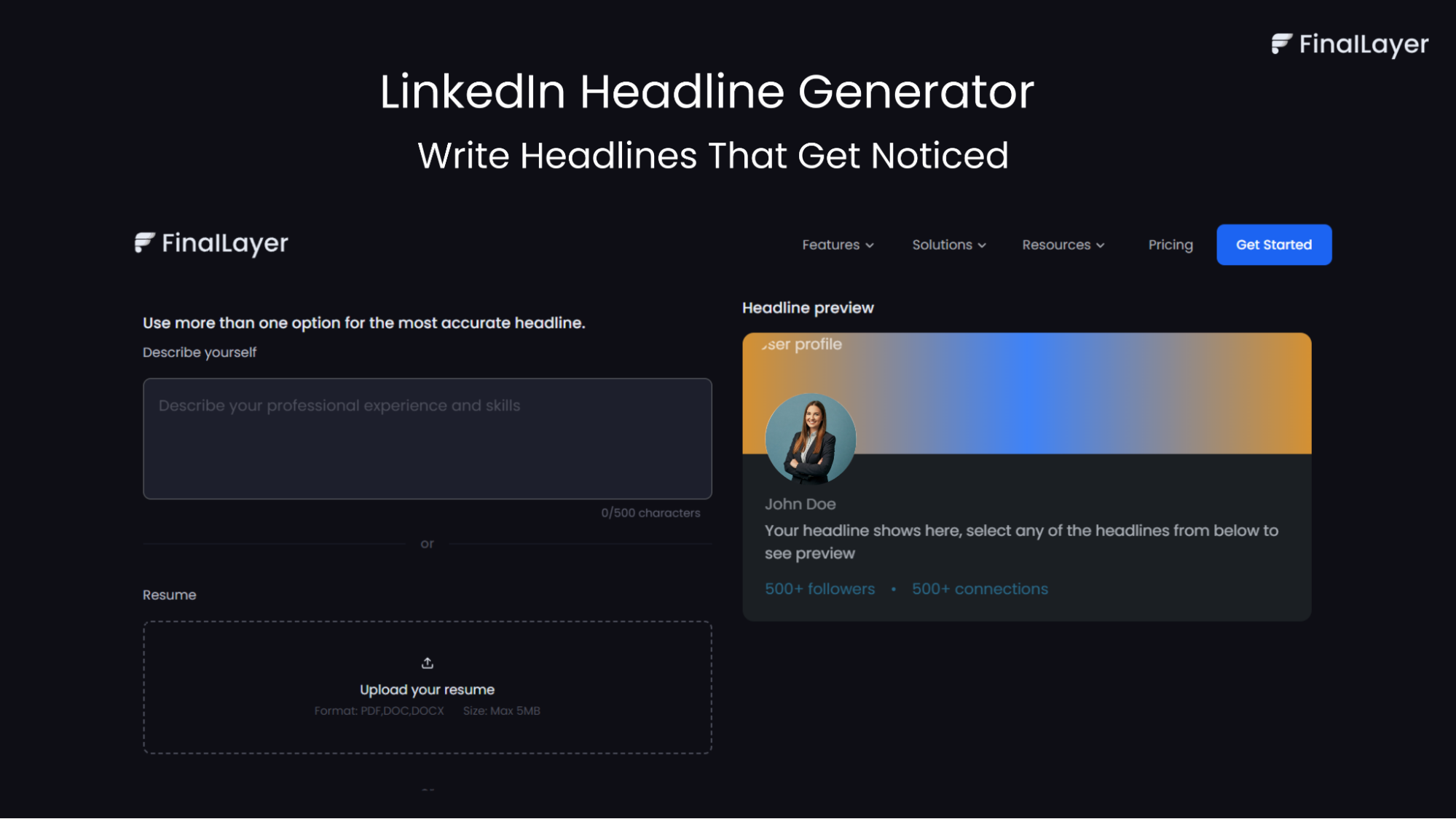
Read more: How To Write LinkedIn Headline That Increase Profile Views
Profile Photo and Banner
Use a professional headshot in appropriate medical attire. Healthcare profiles with professional photos receive 14 times more profile views. Your banner image should reinforce your physician personal brand and your healthcare content marketing focus, consider imagery that represents your specialty or educational mission.
Read more: How To Take The Best LinkedIn Picture
About Section
This section should establish you as both a medical expert and a trusted content creator. Structure it to address:
1. Your medical specialty and credentials
2. Your approach to patient education and healthcare content marketing
3. Your subspecialties or areas of focus
4. Notable achievements, research, or publications
5. What type of content do you share, and who does it help?
Example: "As a board-certified endocrinologist, I'm passionate about making diabetes management understandable and achievable. Through my LinkedIn content, I break down complex metabolic science into practical strategies that help both patients and fellow healthcare providers. I specialize in Type 2 diabetes reversal and insulin optimization..."
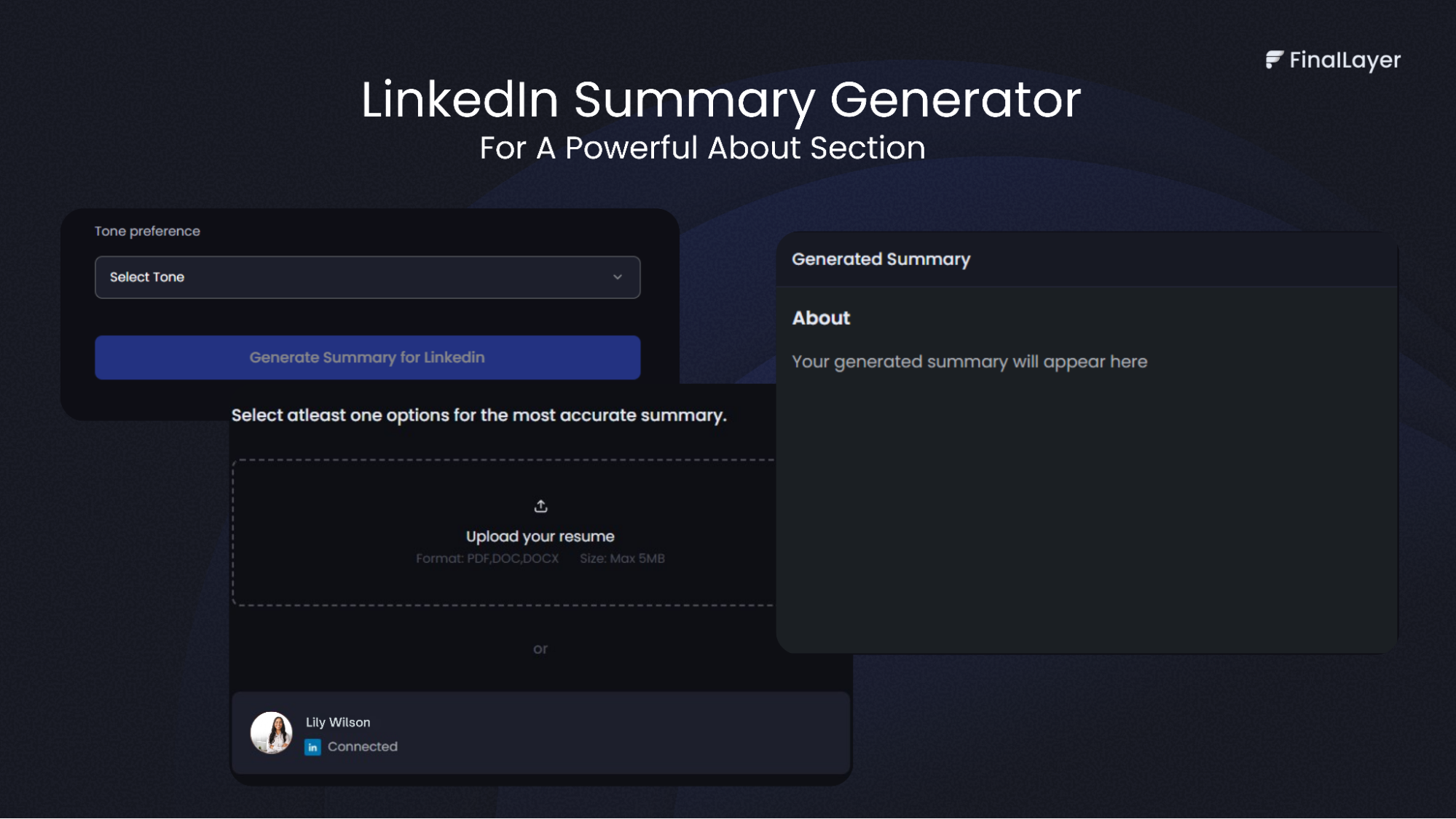
Read More: How To Write The Best About Section
Experience and Credentials
List all relevant positions, but go beyond titles. This builds credibility for your healthcare content marketing efforts. Include:
- Board certifications and fellowship training
- Notable research, publications, or presentations
- Awards and recognitions
- Leadership roles in medical organizations
- Teaching or academic appointments
- Media appearances or content creation experience
Mastering Healthcare Content Marketing: What Doctors Should Post on LinkedIn
Healthcare content marketing is the cornerstone of successful LinkedIn for doctors strategies. But creating compliant, engaging content requires understanding what works in the medical space.
Types of Healthcare Content Marketing That Work:
Educational Content
- Break down recent medical research in accessible language
- Explain treatment advances in your specialty
- Share preventive health strategies
- Address seasonal health concerns relevant to your practice
Myth-Busting Content
- Correct common medical misconceptions
- Debunk health trends that lack scientific evidence
- Clarify misunderstood medical terms or conditions
Professional Insights
- Comment on healthcare policy changes affecting your specialty
- Discuss technology advances in medicine
- Share lessons from your medical career (HIPAA-compliant)
- Offer perspectives on healthcare delivery models
Practice Updates
- Announce new services or technologies
- Introduce new team members
- Share community health initiatives
Example Healthcare Content Marketing Post:
"Three patients this week asked me about intermittent fasting for diabetes management. Here's what the latest research actually shows, and why timing matters as much as what you eat... [your evidence-based insights]"
Translating medical expertise into consistent, compliant LinkedIn content takes time. FinalLayer supports doctors by suggesting relevant content topics, shaping strong educational hooks, and streamlining the entire posting process while keeping your voice and standards intact.
prompt and optimize for better results.
Healthcare Content Marketing Frequency
For effective healthcare content marketing, consistency matters more than volume. Aim for 2-3 posts per week, at relevant and best times to post. LinkedIn for doctors algorithms favor regular engagement; healthcare professionals who post weekly reach 4.8 times more profile views than those who post monthly.
Creating HIPAA-Compliant Healthcare Content Marketing
HIPAA-compliant social media practices are non-negotiable in healthcare content marketing:
- Never post identifiable patient information, even with permission
- Avoid "generalized" patient stories; details can still identify individuals
- Don't reference specific cases, even anonymously
- Focus on educational content, not case discussions
- If sharing testimonials, obtain written HIPAA-compliant authorization
- Don't respond to medical questions in comments; direct people to appropriate channels
Healthcare Content Marketing Best Practices
Use the 80/20 Rule: 80% educational value, 20% practice promotion
Optimize for Engagement:
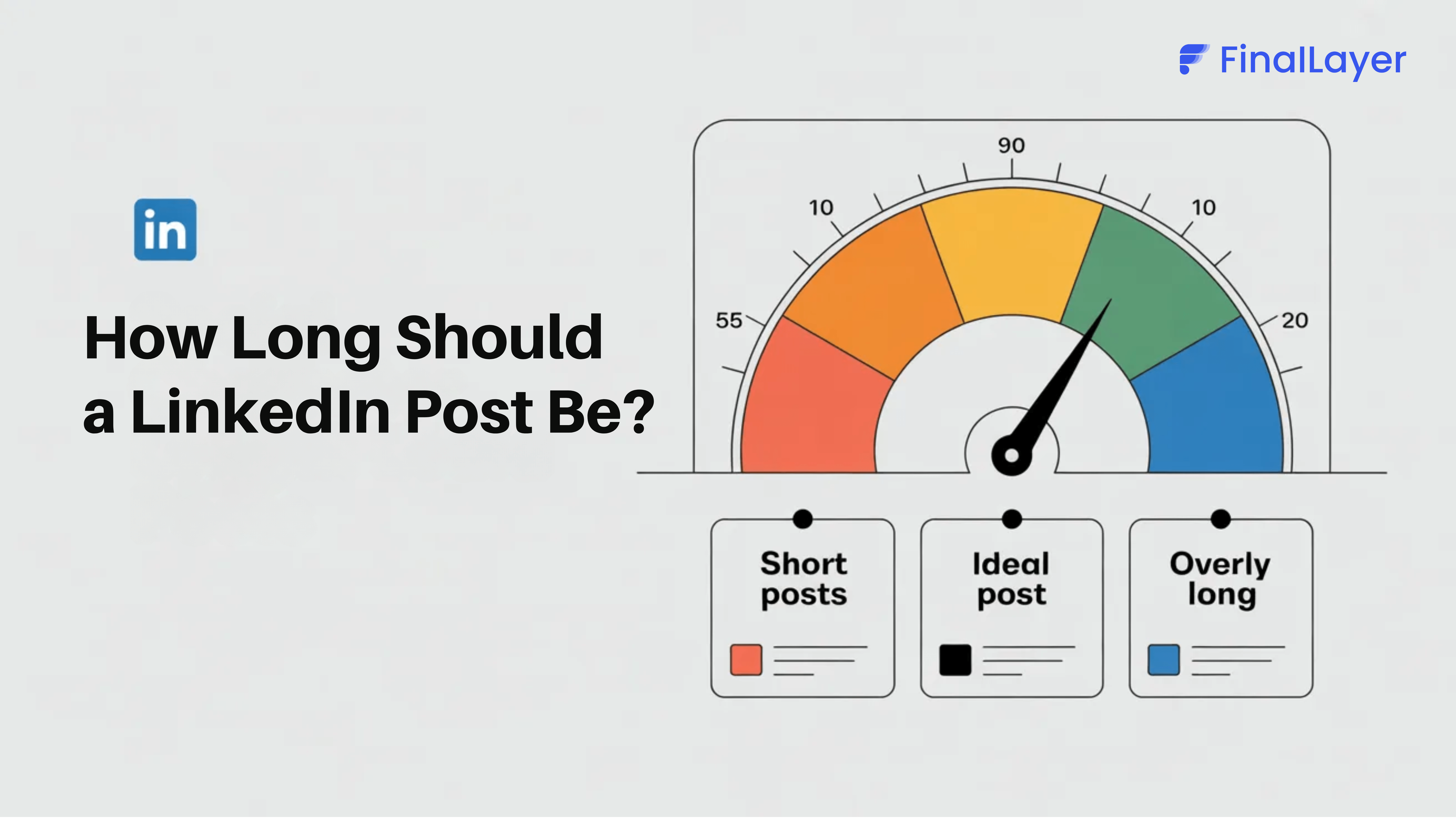
- Keep posts concise, 1,300 characters is optimal
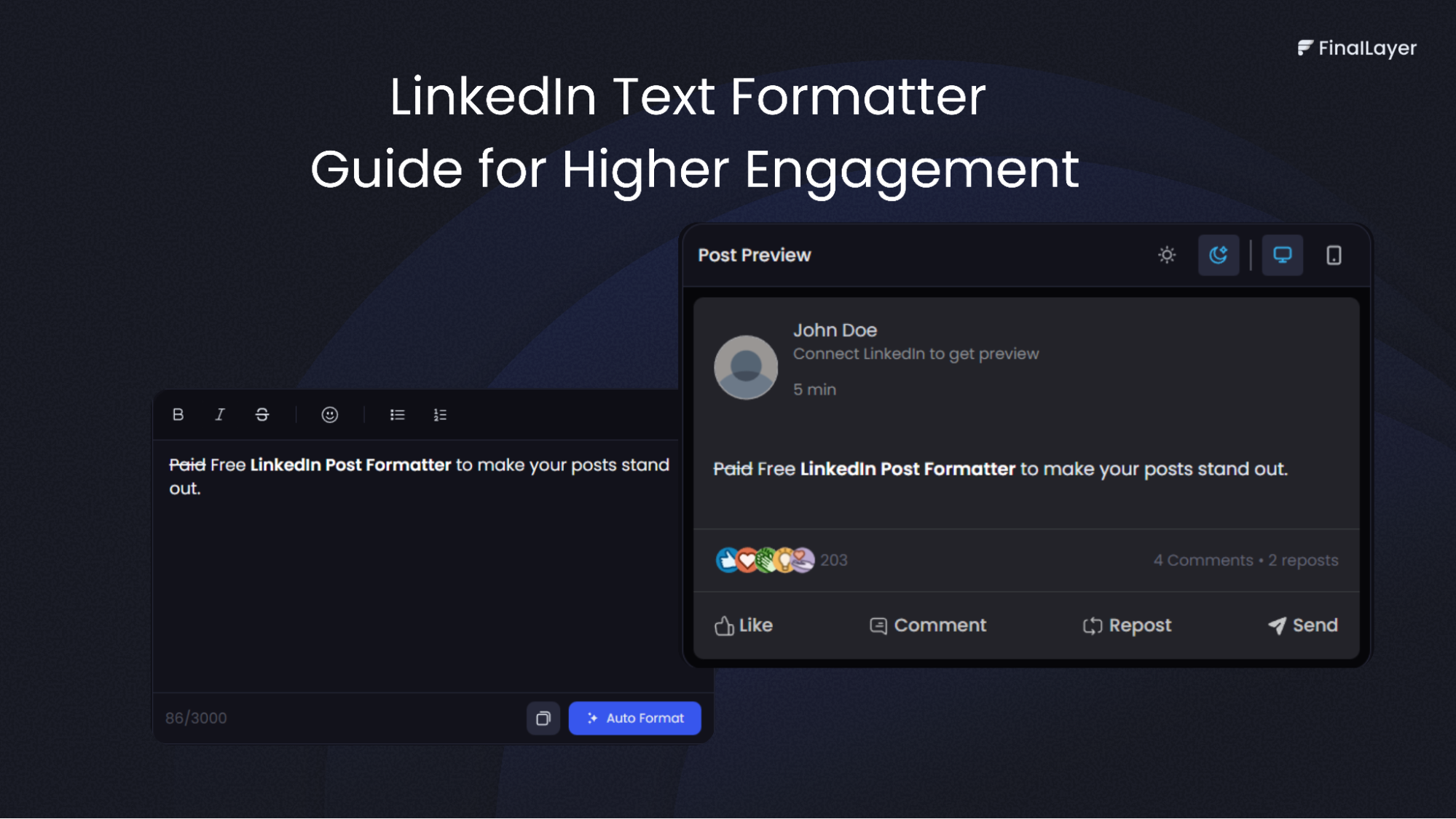
- Use line breaks for readability
- Ask questions to encourage discussion
- Include 3-5 relevant hashtags (HealthcareMarketing, MedicalEducation)
- Tag relevant medical organizations when appropriate
Vary Your Content Format:
- Text posts with insights
- Document carousels explaining concepts
- LinkedIn articles for in-depth topics
- Short videos explaining procedures or conditions
- Polls asking healthcare-related questions
Building Your Healthcare Network to Amplify Content Marketing
Strategic medical professional networking amplifies your healthcare content marketing reach. Your network determines who sees your content.
For maximum healthcare content marketing impact, prioritize:
- Referring physicians who benefit from your educational content
- Primary care doctors who serve patients needing your specialty
- Healthcare administrators who make partnership decisions
- Medical journalists and healthcare writers who cover your specialty
- Pharmaceutical and medical device professionals in your field
- Patient advocacy organizations aligned with your specialty
- Healthcare marketing professionals for collaboration opportunities
- Medical students and residents building future referral networks
Personalize Connection Requests
Support your healthcare content marketing with personal outreach:
"Dr. Martinez, I noticed you're a family medicine physician in the Denver area. I'm a dermatologist creating educational content about skin cancer prevention. I'd value connecting and sharing resources that might help your patients."
Engaging With Your Network
Healthcare content marketing isn't just broadcasting, it's conversation:
- Comment thoughtfully on colleagues' posts with your medical expertise
- Share others' valuable healthcare content with your insights added
- Congratulate peers on publications or achievements
- Answer questions in your area of expertise (while maintaining boundaries)
- Participate in healthcare-focused LinkedIn groups
Establishing Healthcare Thought Leadership Through Content
Healthcare thought leadership is the advanced form of healthcare content marketing that positions you as a go-to expert.
Writing Long-Form LinkedIn Articles:
Publish comprehensive articles as part of your LinkedIn for doctors strategy:
- "Understanding the New Hypertension Guidelines: What Patients Need to Know"
- "5 Questions Every Woman Should Ask Her Cardiologist After Age 40"
- "The Future of AI in Radiology: A Radiologist's Perspective"
Long-form articles boost doctor’s online presence and are searchable on Google, extending your healthcare content marketing reach beyond LinkedIn.
Speaking and Media Opportunities:
Strong healthcare content marketing leads to:
- Medical conference speaking invitations
- Healthcare podcast guest appearances
- Media expert commentary requests
- Healthcare organization advisory board positions
- Medical education opportunities
Each opportunity provides more content to share on LinkedIn for doctors, creating a virtuous cycle.
Creating Content Series:
Develop ongoing healthcare content marketing series:
- "Medical Myth Monday" - debunk one myth weekly
- "Research Roundup Friday" - summarize new studies
- "Ask a [Specialty]" - answer common questions
- "Case Lessons" - teaching points from your experience (HIPAA-compliant)
A series creates anticipation and habit among your audience.
Measuring Your Healthcare Content Marketing Success
Track these metrics to optimize your LinkedIn for doctors strategy:
Profile Metrics:
- Profile views (growing visibility)
- Search appearances (specialty keyword ranking)
- Connection growth rate
Content Metrics:
- Post impressions and reach
- Engagement rate (likes, comments, shares)
- Follower growth from content
- Click-through rates on links
Business Metrics:
- Referral inquiries from LinkedIn
- Speaking invitation requests
- Media contact requests
- Patient inquiries mentioning your content
LinkedIn provides free analytics. Review monthly and double down on content types that perform best.
Common Healthcare Content Marketing Mistakes to Avoid
Even experienced doctors make these healthcare content marketing errors:
- HIPAA violations: Even well-intentioned patient stories can violate privacy laws
- Overly technical content: Write for your audience, not to impress colleagues
- Inconsistent posting: Sporadic healthcare content marketing yields sporadic results
- Ignoring engagement: Not responding to comments kills algorithm momentum
- All promotion, no education: The 80/20 rule exists for a reason
- Generic content: Share your unique perspective and experience
- Not tracking metrics: You can't improve what you don't measure
Your Healthcare Content Marketing Action Plan
Building a powerful LinkedIn for doctors presence through healthcare content marketing takes consistent effort, but the professional returns are substantial.
Week 1: Optimize your profile for healthcare content marketing, headline, about section and experience highlighting your expertise.
Week 2: Connect with 30 key colleagues with personalized messages explaining your content focus.
Week 3: Create and post your first three pieces of healthcare content marketing, one educational post, one myth-busting post, one professional insight.
Week 4: Engage actively, comment on 15 healthcare posts, share 3 relevant articles with your insights and respond to all comments on your content.
Ongoing: Post valuable LinkedIn content for physicians 2-3 times weekly. Engage daily for 15 minutes. Track metrics monthly.
Within six months of consistent healthcare content marketing, you'll see meaningful growth in your professional visibility, referral network, and opportunities for LinkedIn for medical practice growth.
Final Thoughts
LinkedIn for doctors offers an unprecedented opportunity to build your reputation, expand your influence, and grow your practice through strategic healthcare content marketing. Unlike traditional advertising, content marketing positions you as an educator and trusted authority, exactly what patients and referring physicians seek.
The doctors who thrive in the next decade will be those who embrace healthcare content marketing while maintaining the highest standards of medical professionalism and HIPAA compliance. Your expertise deserves a platform. Your patients need your educational voice. Your colleagues value your insights.