In today's competitive business landscape, having a solid B2B social media strategy isn't optional; it's essential. But with limited time and resources, should you focus on LinkedIn for B2B marketing, Twitter for B2B marketing, or both? The Twitter vs LinkedIn for B2B debate has been ongoing, and the answer depends on your specific business goals.
Let's break down both platforms to help you make an informed decision about where to invest your energy.
Understanding Twitter vs LinkedIn for the B2B Landscape
LinkedIn for B2B marketing and Twitter for B2B marketing serve different purposes in your overall B2B social media strategy. Each platform has unique strengths, audiences, and content dynamics that can significantly impact your results.
Why LinkedIn Excels for B2B
When it comes to LinkedIn B2B marketing, this platform is purpose-built for professional networking and business relationships. With over 900 million users, the majority are professionals actively seeking business connections and industry insights.
Professional Intent
Users on LinkedIn are in a business mindset. This makes LinkedIn for B2B marketing particularly effective because your audience is already primed for business conversations.
Advanced Targeting
LinkedIn's targeting capabilities for B2B lead generation social media campaigns are unmatched. You can target by job title, company size, industry, and seniority level. This precision makes LinkedIn lead generation highly efficient.
Decision-Maker Access
LinkedIn provides direct access to C-suite executives and managers who have buying authority. This is critical for B2B social selling and shortening sales cycles.
Credibility Building
The platform's professional nature makes it ideal for establishing thought leadership through case studies, industry insights, and meaningful discussions.
Best Practices for LinkedIn for B2B Marketing
To maximize your LinkedIn B2B marketing efforts, focus on creating valuable, in-depth content. Share industry insights, original research, and thought leadership pieces. Personal profiles often outperform company pages on LinkedIn, so encourage your team members to become brand ambassadors.
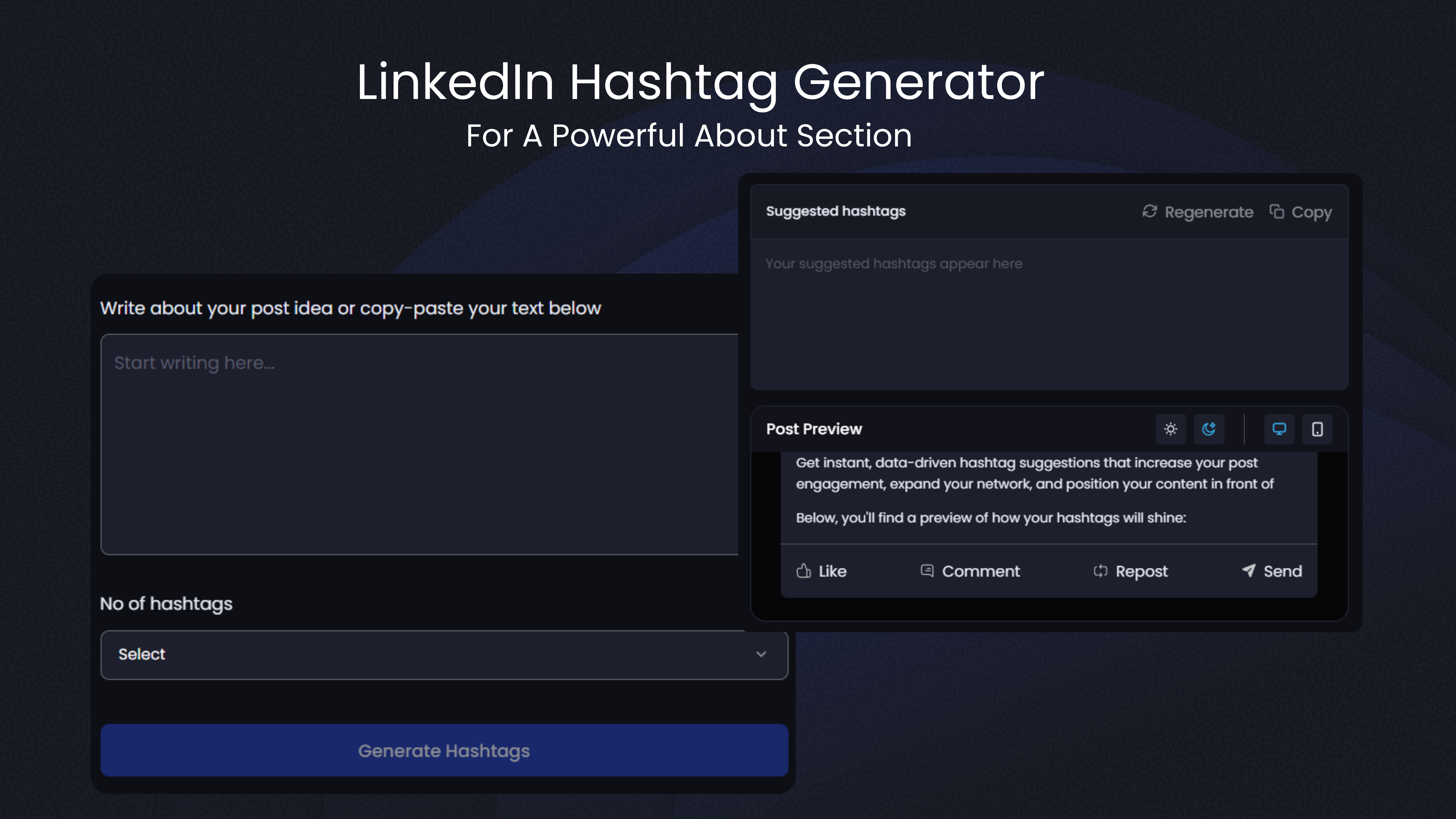
Struggling to maintain a consistent LinkedIn presence? Final Layer's LinkedIn AI Assistant helps you create personalized, engaging posts in minutes, giving you more time to focus on building relationships and closing deals.
prompt and optimize for better results.
Why Twitter Matters for B2B
While Twitter for B2B marketing might not seem as obviously business-focused, it offers unique advantages that shouldn't be overlooked in your B2B social media strategy.
Real-Time Engagement
Twitter excels at facilitating immediate conversations. When it comes to Twitter B2B marketing, the platform allows you to jump into trending discussions, respond quickly to customer inquiries, and participate in live industry events.
Broader Reach
Twitter's open network means your content can reach far beyond your immediate followers. In the Twitter vs LinkedIn for B2B debate, Twitter often wins on virality potential. A single well-crafted tweet can reach thousands through retweets and algorithmic amplification.
Community Building
Twitter communities and hashtags create powerful opportunities for niche engagement. Whether it's #SaaS, #MarTech, or #B2BMarketing, these communities help you connect with specific audiences interested in your industry.
Influencer Access
Twitter remains a platform where industry influencers, journalists, and thought leaders actively engage. Building relationships with these individuals can amplify your reach and credibility significantly.
Best Practices for Twitter for B2B Marketing
Success with Twitter for B2B marketing requires consistency and authenticity. Tweet regularly, engage in conversations, and use relevant hashtags strategically. Mix your content types, share blog posts, industry news, quick tips, and polls. Twitter lead generation B2B strategies work best when you balance promotional content with genuine value.
Twitter vs LinkedIn for B2B: Direct Comparison
Content Strategy
LinkedIn for B2B marketing thrives on longer-form, polished content. Think articles, detailed posts, and case studies. The platform rewards depth and expertise.
Twitter for B2B marketing favors brevity and frequency. Quick insights and conversational threads perform best. It's about being present and responsive rather than comprehensive.
Audience Behavior
On LinkedIn, professionals are actively seeking to build their careers and make business connections. They're more receptive to B2B content marketing platforms that offer educational value.
Twitter users are looking for quick information and real-time updates. They're scrolling faster, though engagement can be more immediate and viral.
Lead Generation
For direct LinkedIn lead generation, the platform typically outperforms Twitter. The professional context and advanced targeting make it easier to identify qualified prospects.
Twitter lead generation B2B tends to be more indirect. While you might not generate as many direct leads, Twitter excels at top-of-funnel awareness and establishing brand presence.
Making Your Decision: Where Should You Focus?
The answer to "Twitter vs LinkedIn for B2B" depends on several factors specific to your business.
Choose LinkedIn for B2B Marketing as Your Primary Focus If:
You're targeting specific professional roles or industries. LinkedIn's precision targeting makes it ideal when you know exactly who you need to reach.
You're selling complex, high-ticket B2B solutions with longer sales cycles. The platform's professional environment supports the consultative approach these sales require.
You have valuable, in-depth content to share. If you're producing whitepapers or detailed case studies, LinkedIn provides the perfect venue.
Choose Twitter for B2B Marketing as Your Primary Focus If:
Your industry moves quickly, and real-time engagement matters. Tech companies and fast-moving sectors often find Twitter more aligned with their pace.
You want to build a broad community around your brand. Twitter's open network facilitates this better than LinkedIn's more formal structure.
Brand personality and voice are critical differentiators. Twitter allows more room for personality while maintaining professionalism.
The Hybrid Approach: Optimizing Your B2B Social Media Strategy
Here's the reality: you don't have to choose. Many successful B2B companies implement a hybrid B2B social media strategy that leverages both LinkedIn for B2B marketing and Twitter for B2B marketing.
A Practical Hybrid Strategy
Use LinkedIn for B2B marketing to generate qualified leads, nurture relationships with decision-makers, and establish thought leadership. Focus on publishing comprehensive content and engaging meaningfully with prospects.
Simultaneously, use Twitter for B2B marketing to build brand awareness, participate in industry conversations, and showcase company culture. Twitter's real-time nature makes it perfect for amplifying your presence at industry events.
Content Repurposing
Maximize efficiency by repurposing content across both B2B social media platforms. That in-depth LinkedIn article can become a thread on Twitter. Those Twitter insights can be expanded into LinkedIn posts. This approach lets you maintain presence on both platforms without doubling your workload.
Measuring Success Across B2B Social Media Platforms
Regardless of which platform you prioritize in your B2B social media strategy, measurement is critical.
For LinkedIn B2B marketing, track connection growth, engagement rate, and qualified lead generation. Monitor how many prospects you're moving through your sales funnel from LinkedIn interactions.
For Twitter B2B marketing, focus on follower growth, engagement rate, and share of voice in industry conversations. Track click-throughs to your website and how Twitter contributes to overall brand awareness.
Connect your B2B social selling efforts to actual business outcomes, pipeline generation, deal velocity, and revenue attribution.
Resource Allocation: Being Strategic About Your Time
When deciding between Twitter and LinkedIn for B2B, consider your team's capacity. It's better to excel on one platform than to spread yourself thin across multiple B2B content marketing platforms.
If you have limited resources, start with LinkedIn for B2B marketing. It typically offers more direct ROI for B2B companies and requires less frequent posting. Once you've established a strong presence there, expand to Twitter for B2B marketing to broaden your reach.
Industry-Specific Considerations
Certain industries naturally align better with specific platforms in the Twitter vs LinkedIn for B2B comparison.
Technology and SaaS companies often find success on both platforms, but Twitter's tech-savvy community makes it particularly valuable. Meanwhile, LinkedIn's professional targeting helps them reach decision-makers.
Professional services firms typically see stronger results with LinkedIn for B2B marketing, where the professional context aligns perfectly with their service offerings.
Marketing agencies can leverage Twitter's viral potential while using LinkedIn to demonstrate expertise and attract corporate clients.
Final Verdict: Where Should You Focus Your Energy?
The Twitter vs LinkedIn for B2B question doesn't have a universal answer. Both platforms offer valuable opportunities within a comprehensive B2B social media strategy.
Start with LinkedIn for B2B marketing if you need
Direct lead generation, precise targeting, longer sales cycles, or you're selling to specific professional roles.
Start with Twitter for B2B marketing if you need
Brand awareness, real-time engagement, community building, or you have resources for frequent posting.
Pursue both if you can
The most effective B2B social media strategy often involves both platforms playing complementary roles, LinkedIn for deeper engagement and lead generation, and Twitter for broader awareness and community building.
The most important factor isn't which platform you choose, but how committed you are to showing up consistently and providing value. Success with LinkedIn B2B marketing or Twitter B2B marketing comes from authenticity, consistency, and a clear understanding of how each platform serves your business goals.
Whatever you decide, make it strategic, measure your results, and be willing to adjust. Your B2B social media strategy should evolve based on data and results. The platform you choose matters less than the value you provide on it.