Have you ever thought about how much of your LinkedIn presence is actually yours?
Most professionals start out writing their own posts. Then life gets busy, the consistency slips, and hiring a ghostwriter starts to feel like a reasonable solution. Someone else handles the content, the profile stays active, and you stay focused on the work that actually pays.
It makes sense on paper. But over time, something quietly shifts.
Posts go live that you have never read. Opinions get published that you have never actually formed. An entire version of your professional self gets built by someone who has never been in your meetings, never lost your deals, and never had your conversations. And the people following you have no idea.
Hiring a LinkedIn ghostwriter has quietly become one of the most popular services in the B2B world. Agencies and freelancers charge anywhere from $500 to $5,000 per month to manage your LinkedIn presence, writing posts "in your voice," scheduling content, and keeping your profile active while you focus on running your business. You're busy. Writing is hard. LinkedIn personal branding matters more than ever.
But there's a growing gap between what a LinkedIn ghostwriter promises and what they actually deliver. Here are five reasons it might be doing more harm than good, and a more sustainable path forward.
1. You're Building a Personal Brand on Someone Else's Words
The entire premise of LinkedIn personal branding is that you are the product. Your perspective, your experience, your voice. When someone reads your posts and decides to reach out, they're reaching out to the person they think they've come to know through that content.
A LinkedIn ghostwriter fundamentally breaks that contract.
When a LinkedIn ghostwriter crafts your posts, the brand you're building isn't really yours. It's a polished, professionally written version of who your ghostwriter thinks you are. Over time, that gap between "LinkedIn you" and "real you" becomes obvious. People notice it on calls, in conversations, in the way you struggle to remember what you posted last week. The content might be high quality, but it lacks the one thing LinkedIn personal branding actually runs on: authenticity.
The LinkedIn algorithm has gotten much better at detecting and rewarding genuine engagement. Posts that spark real conversation consistently outperform posts that are technically well-written but emotionally flat. Your unpolished take on something that happened in a meeting last Tuesday? That will almost always outperform a carefully crafted LinkedIn ghostwriter's thought leadership piece on industry trends.
2. You Can't Engage Authentically in the Comments
Here is where the LinkedIn ghostwriter problem becomes most visible, and most damaging.
Someone reads your post, resonates with it, and leaves a thoughtful comment. Maybe they push back on something, ask a follow-up question, or share their own experience. That moment is where real relationships on LinkedIn are actually built. It is also the moment where having a LinkedIn ghostwriter falls completely apart.
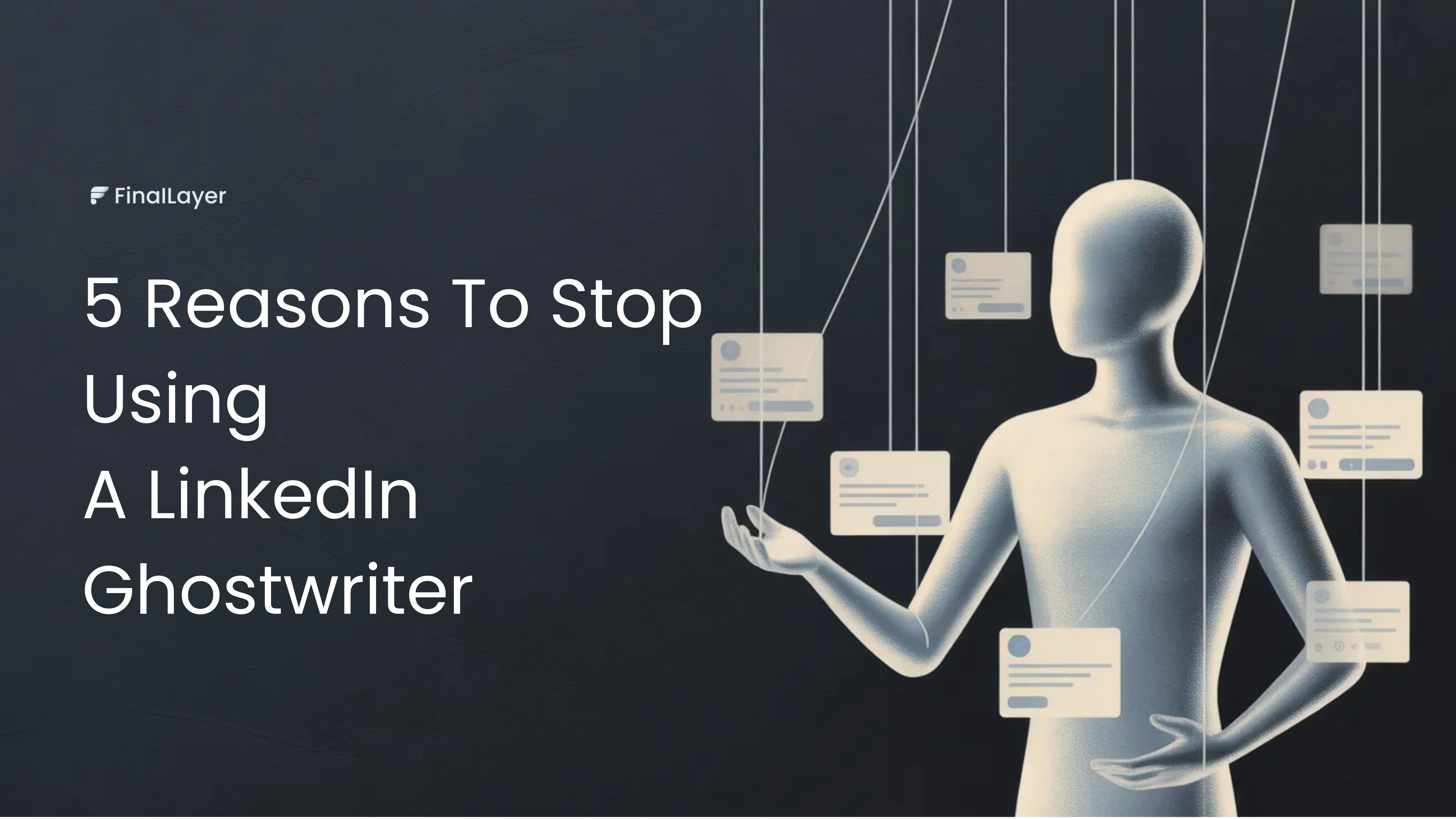
If you did not write the post, you did not think through the argument. You do not have the context, the nuance, or the conviction to respond in a way that feels genuine. So you either ignore the comment, leave a vague reply that goes nowhere, or hand it back to your ghostwriter to respond for you too. At which point you are not building a personal brand at all. You are running a puppet show.
The comments section is where LinkedIn separates people who actually have something to say from people who are just maintaining a presence. Audiences notice when a post gets strong engagement but the author's replies feel disconnected or generic. It erodes trust faster than a bad post ever could.
3. You Lose the Thinking That Makes the Content Valuable
There's a reason the best advice on building a LinkedIn presence consistently points back to writing your own content: the act of writing forces you to think clearly.
When you sit down to write a LinkedIn post, you have to distill a messy idea into something coherent. You have to decide what you actually believe, why it matters, and how to say it in a way that resonates. That process, even when it's frustrating, makes you sharper. Your sales pitches improve. Your thinking deepens. You become more articulate in the conversations that actually close deals.
When a LinkedIn ghostwriter does that work for you, you skip the thinking entirely. You get the post, but not the clarity that should come with it. Over time, the executives who write their own content tend to be more compelling in person, not because they're better writers, but because they've spent years actually putting their ideas into words.
LinkedIn personal branding is not just about visibility. It's about developing the communication muscle that makes you worth paying attention to in the first place.
4. The ROI Is a Lot Shakier Than It Looks
Let's talk numbers. A mid-range LinkedIn ghostwriter service runs $1,500 to $3,000 per month. Premium agencies charge $5,000 or more. Over a year, that's between $18,000 and $60,000 for content you didn't write, that doesn't fully sound like you, and that you can't confidently speak to in a follow-up conversation.
The engagement those posts generate can look impressive on the surface. Likes, comments, follower growth. But much of that engagement is coming from other people's ghostwriters engaging with your ghostwriter's content. It creates a convincing illusion of traction without the substance beneath it.
What actually converts on LinkedIn isn't impressions. It's a genuine connection: someone reading your post, recognizing something real in it, and reaching out because they feel like they know you. That kind of response almost never comes from ghostwritten content, because ghostwritten content almost never gives people a real reason to feel that way.
The ROI math only works if you measure inputs and outputs in isolation. When you account for relationship quality, conversation depth, and long-term trust, the numbers look very different.
5. You Already Have Everything You Need to Do This Yourself
Here's the part that gets lost in the LinkedIn ghostwriter conversation: most people dramatically overestimate how hard this is.
You don't need to write a 1,000-word essay three times a week. You don't need a content calendar, a brand voice document, or a professional headshot session. You need to notice things: a client conversation that surprised you, a mistake you made and learned from, a question you keep getting asked. Then write about them honestly.
The best-performing content on LinkedIn is almost never the most polished. It's the most specific, the most genuine, and the most clearly written by a real person who has actually lived through what they're describing.
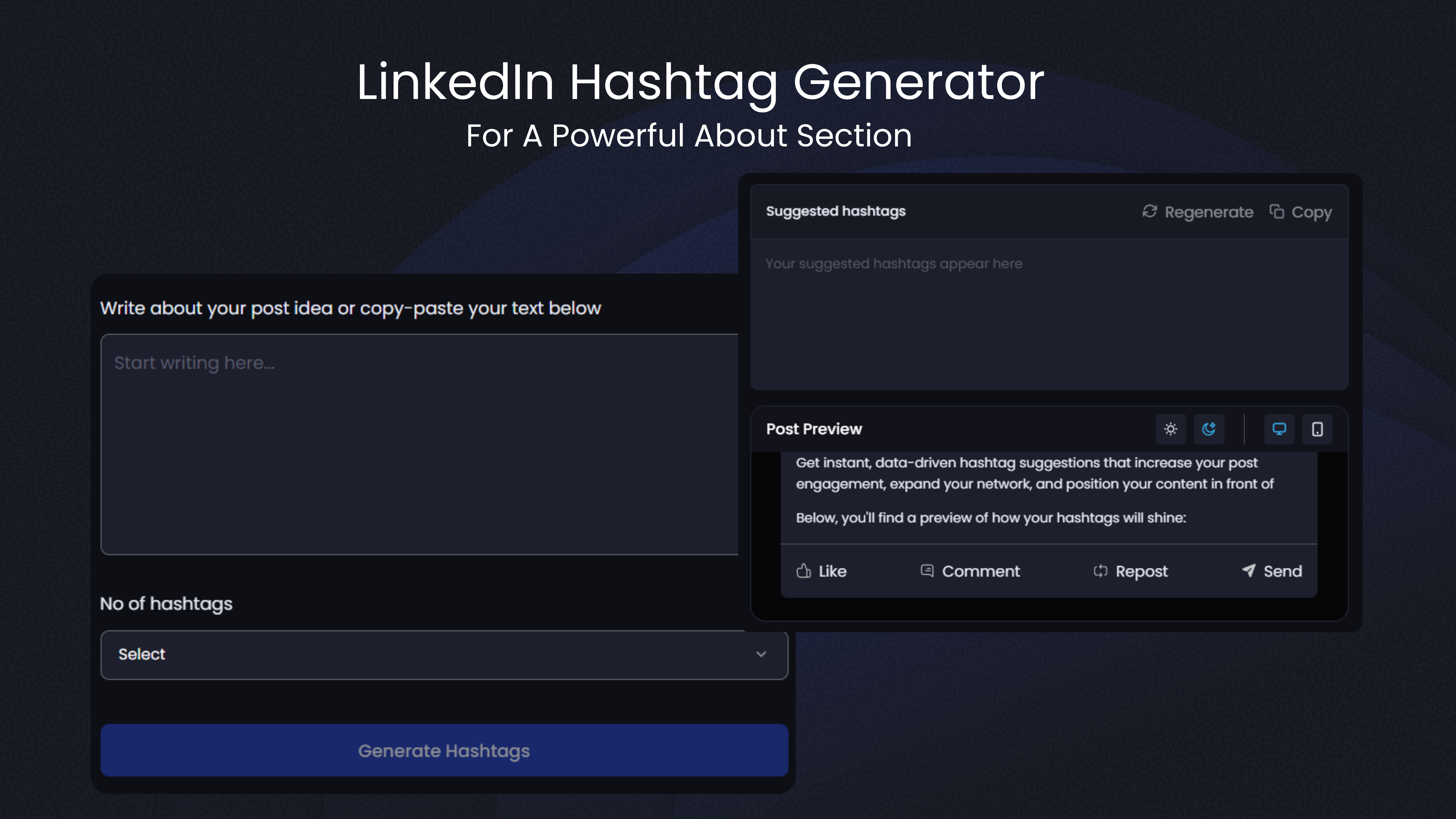
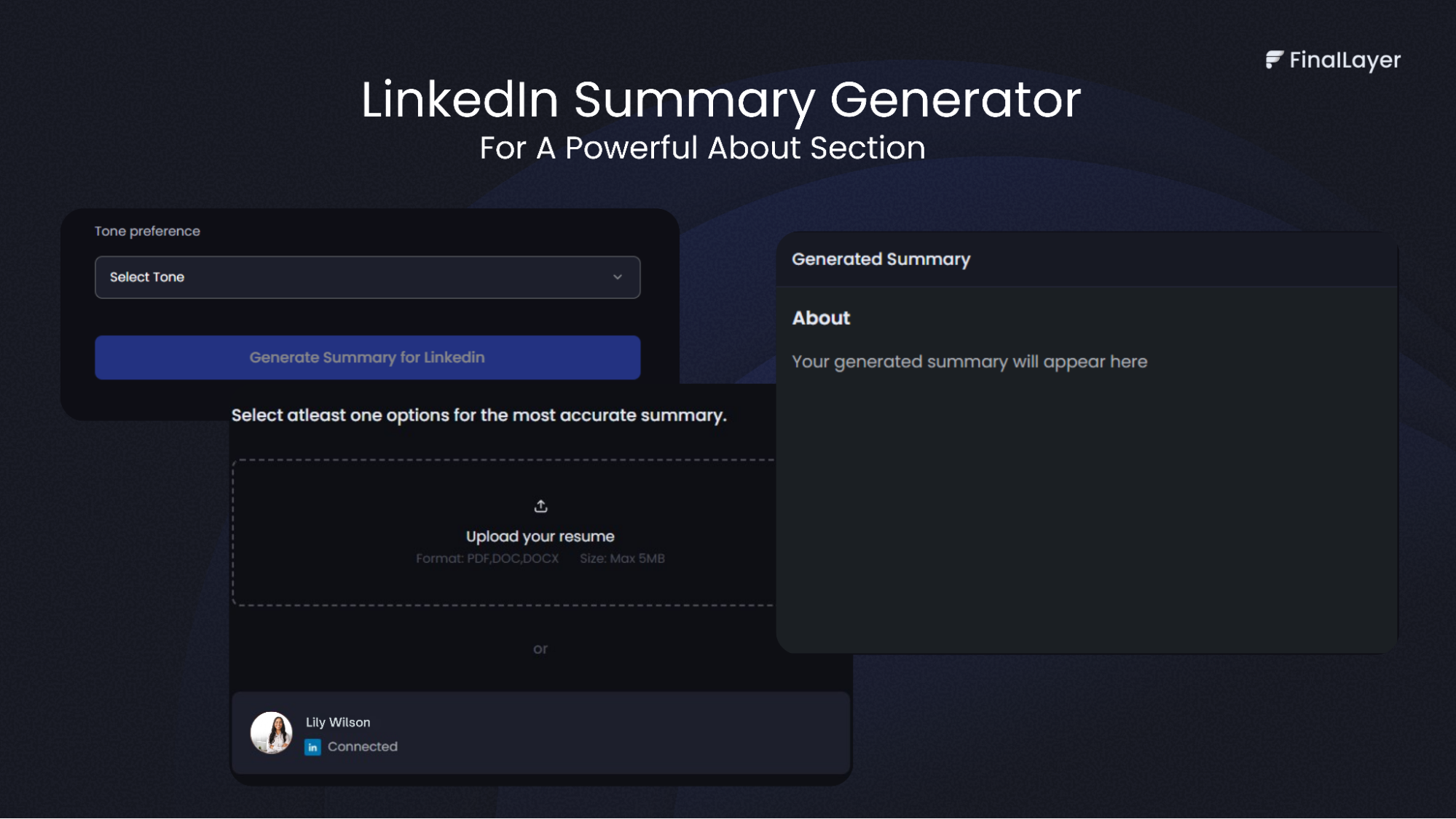
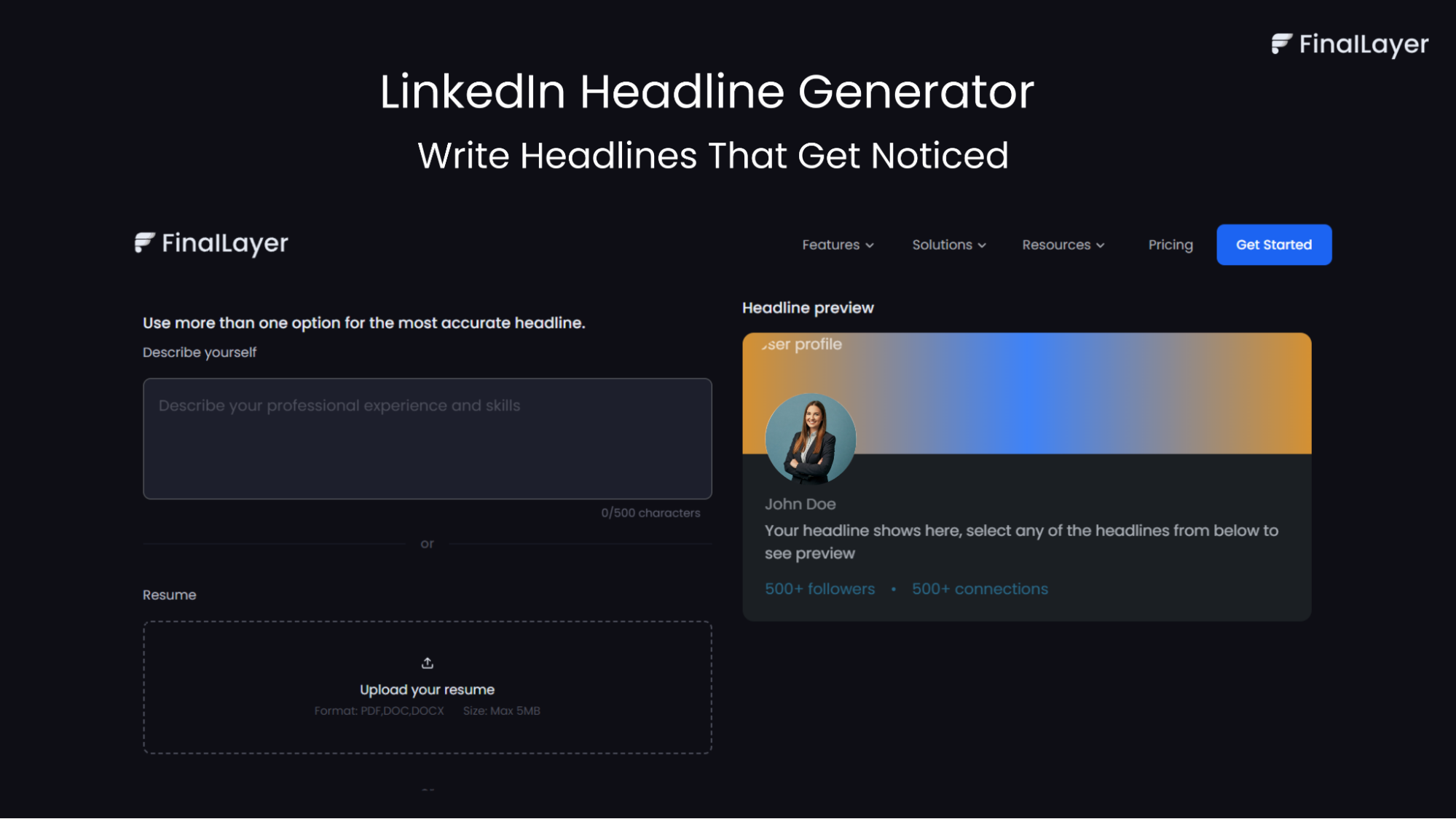
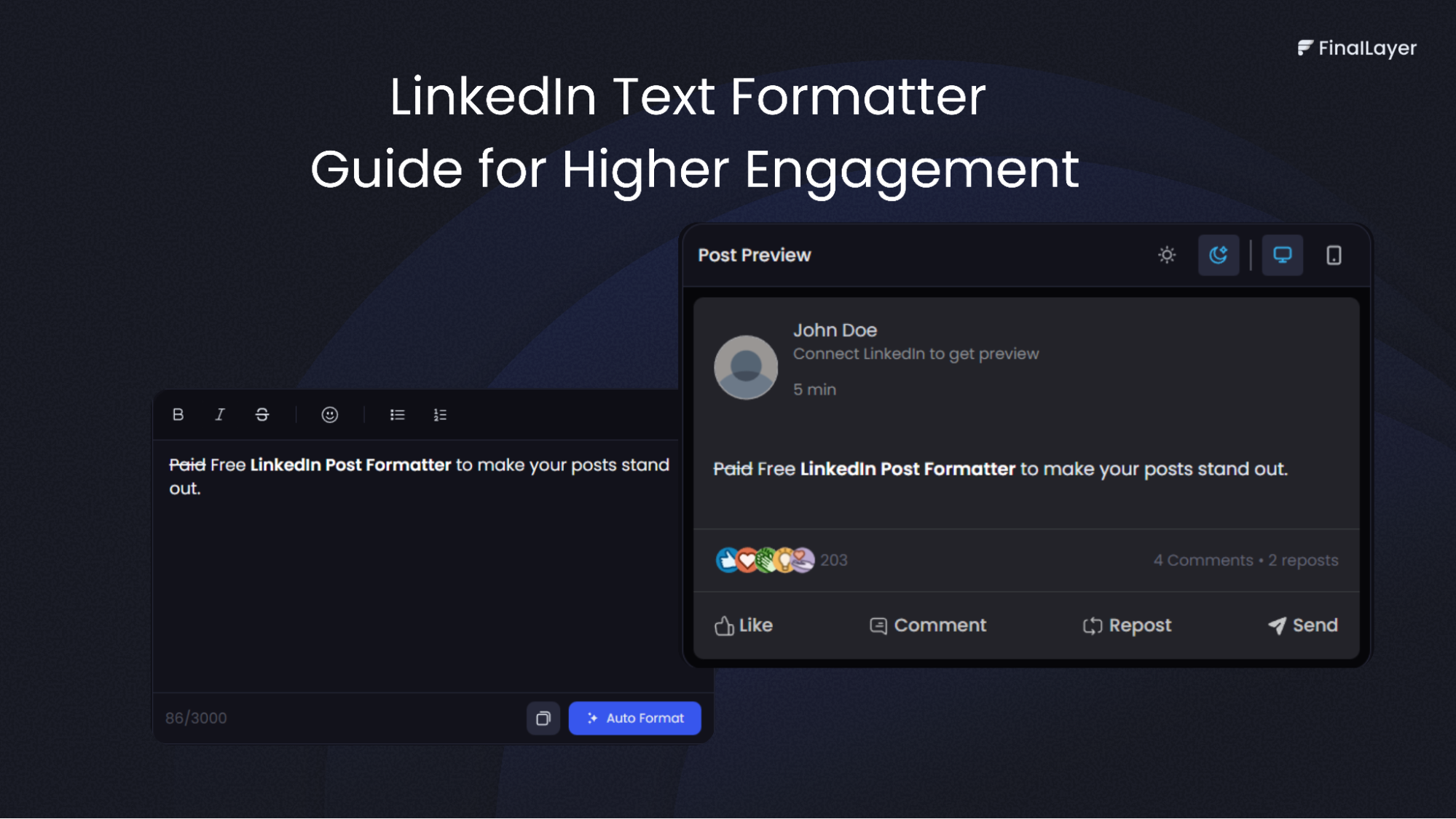
And here's the thing: that is exactly the kind of content that tools like FinalLayer are built to help you create. FinalLayer is a LinkedIn post generator designed to help you produce engaging, relevant posts in minutes, not by replacing your voice, but by working with it. You bring the idea, the experience, the raw material. FinalLayer helps you shape it into something worth posting.
What makes FinalLayer different from just hiring a LinkedIn ghostwriter is that it gets better the more you use it. Every post you create, every edit you make, every time you tweak the output to sound more like you, the platform learns. Over time it builds an accurate picture of how you communicate: your sentence rhythm, your preferred level of formality, the kinds of observations you tend to make. The result is LinkedIn personal branding content that actually sounds like you, because in a meaningful way, it is you.
Instead of spending $2,000 a month on a LinkedIn ghostwriter who needs briefing calls, revision rounds, and approval workflows, you can spend 20 minutes with FinalLayer and walk away with a week's worth of content that reflects your actual thinking, and gets sharper every time.
A Better Approach to LinkedIn Personal Branding
The goal is to build real credibility with the people you want to reach.
That only happens when the content is genuinely yours. Not perfect, Not professionally polished but yours.
A LinkedIn ghostwriter can keep your profile active. But a LinkedIn ghostwriter can't build your reputation, deepen your relationships, or make someone feel like they understand what it would actually be like to work with you. Only you can do that.
The good news is it doesn't require as much time or skill as most people think. You just need a consistent way to capture your real ideas and get them onto the page. Start there. Be specific. Be honest. Post consistently.
And if you want a tool that works with your voice instead of replacing it, FinalLayer is worth trying. Because the best content strategy isn't the most expensive one, it's the one that actually sounds like you.
Ready to stop paying for content that doesn't sound like you? Try FinalLayer and start building a LinkedIn presence that's genuinely yours.