I absolutely believe that consumer SaaS is the only way to go in the future, not just because we're building one, but I just believe that in the AI-driven world, that is going to be the way products get sold. But let's unpack this.
Why VCs Are Terrified of Consumer Products
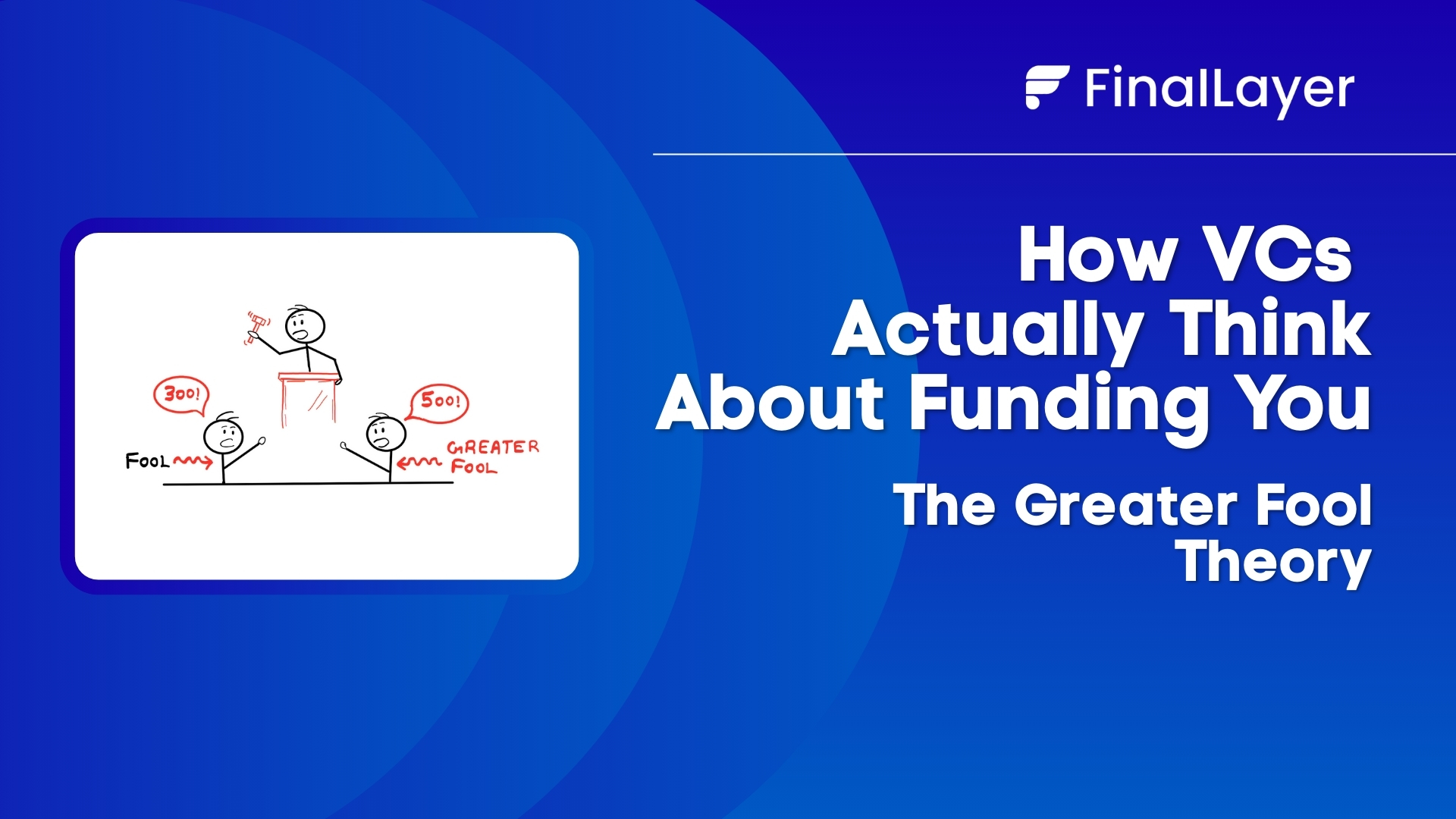
Most VCs will actually say they will deliberately only fund B2B platforms because they are afraid of consumer. And YC has some pretty smart people, so it's possible that they've gotten far ahead in their thesis on this one.
So why is this? Because most VCs are terrified of consumer products, because the rate of failure of consumer products has been traditionally higher than the rate of failure of B2B products.
Now why is that? Because B2B products are sold to enterprises where people are okay accepting substandard products. This is the reality. Why is that? Because some enterprise person is trying to make a decision on using a product, and they're not really invested in this decision.
Their job doesn't depend on it. They are going to get their raises and their promotions just the same, whether or not they make the sales. So if they have to pick a product, they would go with whatever had the best salesperson on the other side.
And this happens a lot. And so in B2B, it is actually possible to get away with a slightly less perfect product.
Why Consumers Are Harder to Please
Consumers are harder to please. They will not use substandard products. They will not use a product if it doesn't add value to them. Personally, they will not pay for a product unless the product is absolutely essential to whatever their goals are.
All of this just meant it was a little bit safer to invest in B2B companies.
The B2B Market Fragmentation Advantage
Also in B2B, there's typically not a winner-take-all phenomenon, which means multiple winners can emerge and the market can be quite fragmented. Take the project management area, for example.
I personally have tried out at least a dozen products and may have subscribed to half a dozen products and switched over time. Right now, for example, we're using ClickUp, but previously I've used Coda, I've used Monday.com, I've used Airtable, I've used Asana, Jira, not to mention all the Atlassian suite of products.
So there's just too many going on in that thing. And each one of those is a multi-billion dollar company. This is rarely possible in consumer.
Consumer SaaS is typically not a winner-take-all, but it's usually three to four companies, not a dozen. So when VCs hear that someone is building a consumer product and planning to sell to consumers and prosumers, they are already very afraid and want to see some traction before funding because they have no idea how to assess the outcome of this operation.
Why Everything Is About to Change with AI
I believe all of this is about to change with the AI world, and there are multiple reasons for it. AI is not the only one.
When you're deciding whether to bootstrap or raise venture capital, the consumer versus B2B question matters because it affects how VCs evaluate the opportunity and what traction they expect to see before investing.
Gen Z and Millennials Won't Tolerate Poor Products
We are entering an area where Gen Zs and millennials are going into the workforce and making more and more decisions, which means that people are going to be less tolerant of inferior products in the enterprise. The era of building a mediocre enterprise product and making a lot of revenue from it is going to be over pretty soon.
I think it's already over.
AI Is Replacing Sales Teams
And with AI, I don't think the sales team has a significant role to play anymore. We're going to be replacing account executives and sales development representatives and all these people with AI pretty soon.
At least it's severely augmented with AI, and this is already happening.
Consumers Adopt Technology First
Lastly, any new major technology shift is typically adopted by consumers first before businesses like those at a software development company adopt it at scale. And again, why is this? Because businesses really don't want to change their processes.
Some of them are stuck in the past, and by the time they come around to adopting new technology and processes, it has already been adopted by hundreds of millions of people in the world. So that's what's going on in AI right now.
What We're Seeing in the Market
I'm extremely bullish about consumer SaaS. I'm pretty sure some B2B companies will continue to succeed for now, but the massive breakout successes we're seeing in the market are already only consumer and prosumer products. And I think we're going to see more and more of that happen.
At FinalLayer, we're building a consumer/prosumer product that helps professionals build their LinkedIn presence. We hit 10,000 users in two months because we focused on creating real value that people personally care about, not enterprise software that someone's manager told them to use.
The shift from B2B to consumer in the AI era isn't just about product strategy. It's about where the real innovation happens. When consumers adopt technology en masse, that's when the feedback loops accelerate, when products get better faster, when the best solutions emerge.
VCs who continue to avoid consumer products in this era will miss the biggest opportunities of the next decade.