Do you become a founder because you have an idea, or do you come up with ideas because you want to be a founder? This fundamental dilemma shapes every entrepreneurial journey in 2025, and understanding the distinction between these two paths will determine whether you should become a founder at all. The decision to become a founder is one of the most consequential choices you'll make in your career, affecting not just your financial future but your lifestyle, relationships, and mental wellbeing for years to come. Too many people rush into entrepreneurship with half-baked ideas or romanticized notions of founder life, only to discover that the reality is far harder than they imagined. Before you take the leap to become a founder, you need absolute clarity on whether you're driven by genuine entrepreneurial calling or simply attracted to the idea of being your own boss.
Never Become a Founder Just Because You Have an Idea
First of all, you should never become a founder just because you had an idea. You should only become a founder if you have an idea that you cannot not act upon.
When You Know It's Time to Become a Founder
If you're going to be having a tough time sleeping at night until you go build that, that's when you become a founder. Entrepreneurship is hard. It's harder than what anyone describes it to be.
And in today's world, you will likely make more money working for one of the AI companies than starting one yourself. But the call to build something of your own transcends monetary considerations. This isn't about rational financial optimization - it's about an irrational drive that won't let you rest.
The Difference Between First-Time and Repeat Entrepreneurs
Once you've been an entrepreneur and you've proven to yourself and to some extent to the world that you have the grit and the resilience that it takes to actually see things through to some destination, even if that's not a successful outcome, once you've kind of proven that, things work a little bit differently.
First-Time Founders Need Passionate Ideas
If you're a first time founder, you definitely want to have an idea or an idea in which you want to make a big impact. The criteria are clear:
It keeps you up at night. You feel extremely drawn to it. You're passionate about the impact it will create.
These aren't just nice-to-haves - they're essential filters. The journey ahead will be so difficult that without this deep passion, you'll quit when things get hard. And things always get hard.
Repeat Entrepreneurs: A Different Approach
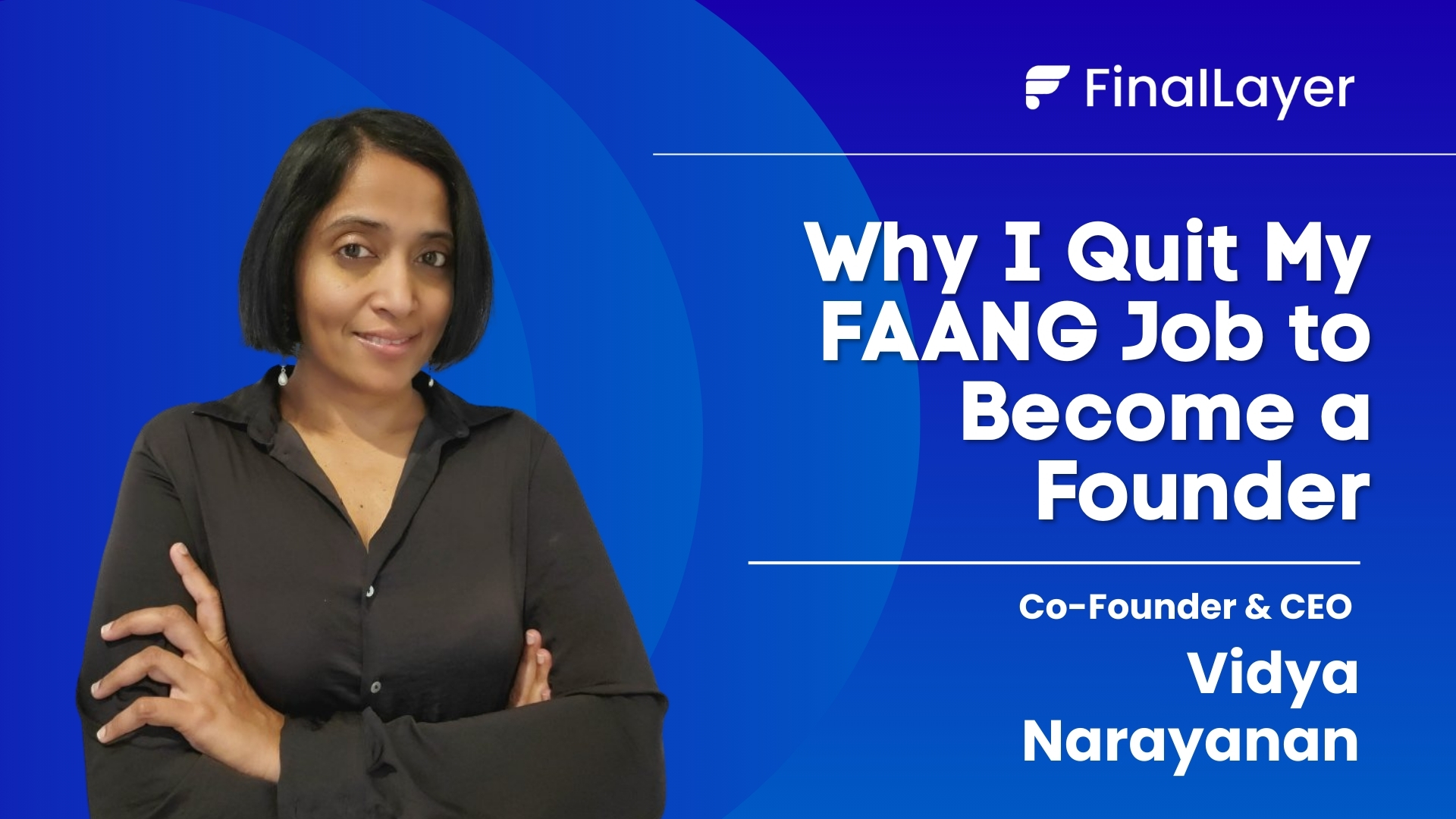
As repeat entrepreneurs, we actually decided that we were going to start a company before we knew what we were going to build. If anything, because of the way things ended in our previous journey, we were even more resolved to start a company to build something again.
But if you're a repeat entrepreneur, and especially if your first journey has not quite worked out as positively as you'd hoped, it's a different story. You've already proven to yourself that you can handle the uncertainty, the rejection, the long hours, and the constant pivots. That proof changes everything.
The Reality of Entrepreneurship in 2025
The entrepreneurial landscape has evolved significantly. Working for established AI companies often provides better financial rewards than starting your own venture. Yet, the drive to create something meaningful persists for true entrepreneurs.
This is the paradox of becoming a founder in 2025: it's never been easier to start a company (tools, cloud infrastructure, AI assistance), but it's never been harder to succeed (intense competition, high consumer expectations, difficulty standing out).
If you do decide to become a founder, you'll need to build your presence strategically. Understanding how to establish your personal brand and develop thought leadership becomes crucial for attracting talent, customers, and investors.
Making Your Decision to Become a Founder
Whether you're contemplating your first venture or your fifth, the fundamental question remains: Are you becoming a founder for the right reasons? The idea alone isn't enough - you need the burning desire that won't let you rest until you've built it.
Here's a simple test: Can you imagine not building this? If yes, don't become a founder for this idea. If no - if the thought of someone else building it or it never existing causes you genuine pain - then you might be ready.
The Financial Reality Check
Be brutally honest about the financial implications. In 2025, talented engineers, designers, and operators can make $200K-$500K+ at top tech companies. As a founder, you'll likely pay yourself $0-$80K for years. Your equity might be worth millions someday, but "might" and "someday" don't pay rent.
If you have significant student debt, family obligations, or need financial stability, the timing might not be right to become a founder. There's no shame in building your financial foundation first.
The Lifestyle Reality Check
Becoming a founder means 60-80 hour weeks for years. It means your company's problems follow you everywhere. It means friends and family not understanding why you're so stressed about something that "isn't even paying you." It means constant rejection from investors, candidates, and customers.
Are you willing to sacrifice your 20s or 30s? Your social life? Your mental health? These aren't hypotheticals - they're the actual tradeoffs you'll make.
If You Decide to Become a Founder
If after all these warnings you still want to become a founder, you probably have what it takes. The people who succeed aren't the ones who aren't scared - they're the ones who are terrified but can't imagine doing anything else.
As you build your company, remember that founders need to be visible. Modern fundraising, hiring, and customer acquisition all require strong personal brands. Learning how to grow your professional presence and master content strategy will accelerate every aspect of your startup journey.
At FinalLayer, we're building tools to help founders and professionals establish their presence and tell their stories effectively. We understand the unique challenges founders face in building credibility while building their companies.
If you're considering becoming a founder or already on the journey, join our founder's Slack community where we share experiences and resources in the Founder Resources tab about navigating the challenges of building companies from scratch.