
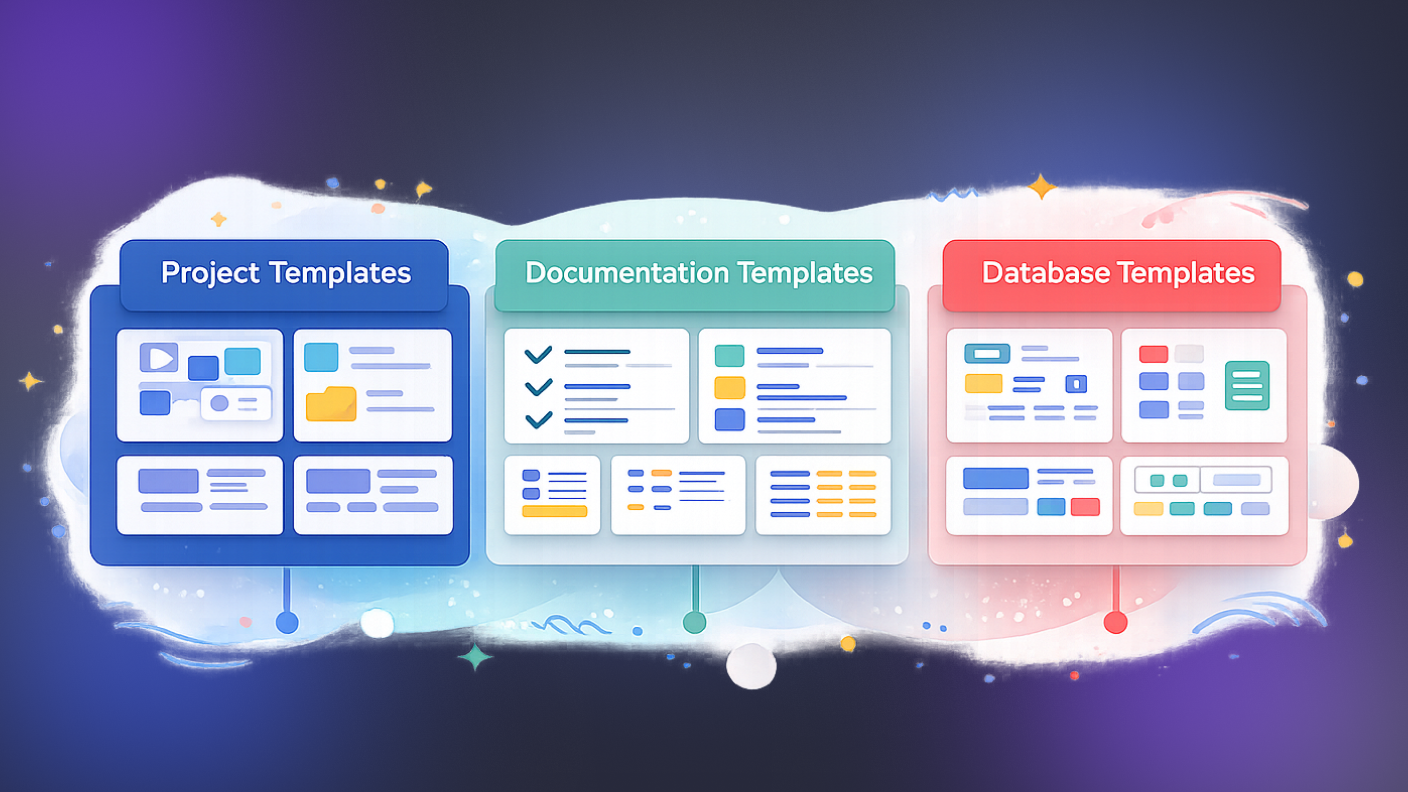
Templates
Use ready-made business templates for planning, documentation, and execution.
This research shows that most startup companies hiring revenue roles rely on informal interviews, leading to costly mis-hires that drain runway and slow growth.
RESULTS THAT MATTER
For startup companies hiring sales talent, speed often replaces accuracy, with damaging results.
When startup companies hire, these factors matter most:
 Top performers rapidly understand & communicate product value.
Strong reps adjust their approach based on customer feedback.
Strongest predictor of quota attainment across hundreds of hires.
During this period, startup companies hiring prioritized speed over evaluation quality.
Tech job openings peaked at 400K per month
Hiring requirements dropped by 45% on average
Quota attainment fell from 53% to 42% over eight quarters
Leading firms like Figma and HubSpot use structured, performance-based evaluation models
Live demo and discovery exercises with real-time feedback
Coaching loops to test learning speed and adaptability
Structured scoring systems with coachability weighted double
Explore other founder related case studies based on Funding, Outreach
Discover how high-frequency, structured LinkedIn publishing helped early-stage B2B SaaS companies unlock higher engagement & stronger visibility.
This LinkedIn Newsletter vs Substack research explores how B2B and SaaS companies use newsletters as scalable growth infrastructure for acquisition, trust, and predictable revenue.
This research explores how high-performing SaaS companies use communities as long-term infrastructure to reduce acquisition costs, improve retention, and create defensible growth advantages.
Use ready-made business templates for planning, documentation, and execution.
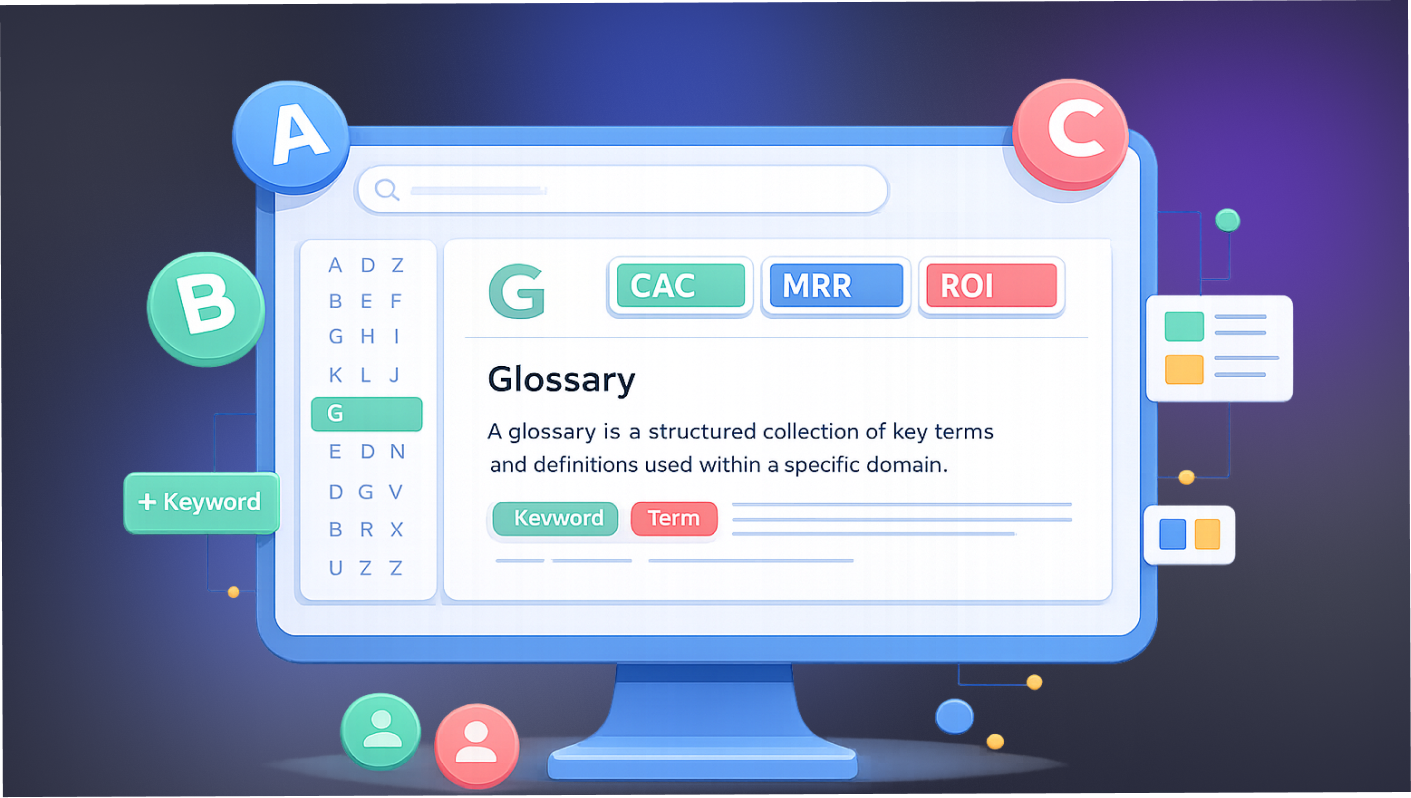
Learn about the terms that founders and Entrepreneurs use throughout their journey and day to day activities.
Access legally structured agreements for partnerships, clients, and vendors.
Try free LinkedIn tools designed to improve visibility, clarity, and engagement.
Make your posts easier to read and more engaging with clean formatting.
Try for free >Use our LinkedIn hashtag generator to discover trending and relevant hashtags.
Try for free >Our LinkedIn AI headline generator helps you create engaging headlines that boost visibility
Try for free >Use Our LinkedIn Summary Generator to instantly create professional, engaging profile summaries.
Try for free >Feedback from people who have improved their reach, engagement, and opportunities with FinalLayer.
Feedback from people who have improved their reach, engagement, and opportunities with FinalLayer.
Most rely on conversational interviews instead of structured work samples, which are far less predictive of performance.
A failed sales hire can cost up to $1.35 million when factoring in salary, missed quota, ramp time, and replacement costs.
Coachability consistently outperforms experience, pedigree, and charisma as the strongest predictor of success.
Yes. Founders should close the first 10–20 customers themselves before bringing on dedicated sales hires.
A four-stage process: structured screening, deep performance analysis, live selling exercises, and rigorous reference checks.