
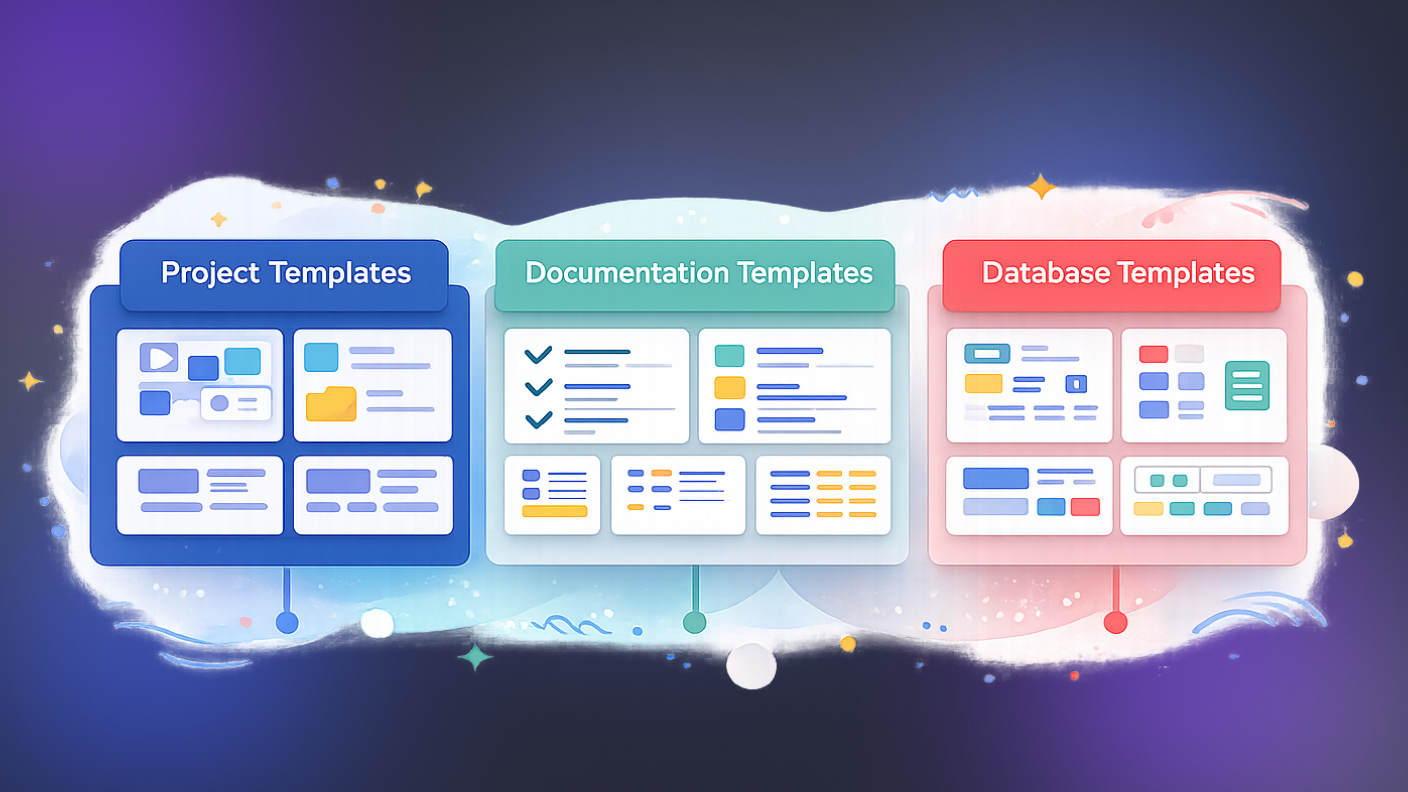
Templates
Use ready-made business templates for planning, documentation, and execution.
This research explores how high-performing SaaS companies use communities as long-term infrastructure to reduce acquisition costs, improve retention, and create defensible growth advantages.
RESULTS THAT MATTER
Paid channels are becoming structurally inefficient, with acquisition costs rising and payback periods extending.
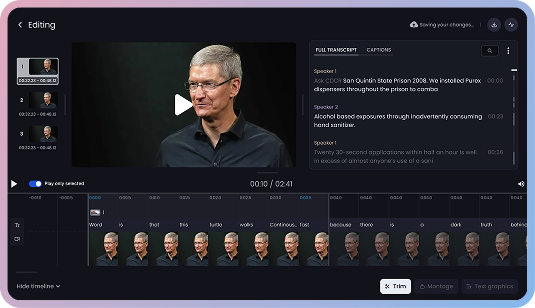
Companies that invest in communities achieve dramatically lower customer acquisition costs and stronger lifetime value.
 Community acquisition costs average $50–150 per customer
Paid social averages ~$937 and paid search ~$802 per customer
Paid social averages ~$937 and paid search ~$802 per customer
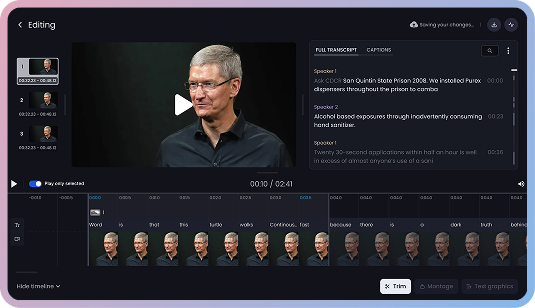
SPACES framework defines six community roles that guide structure, measurement, and investment
Support reduces service costs through peer resolution
Acquisition converts members into referral engines
Engagement creates switching costs through relationships
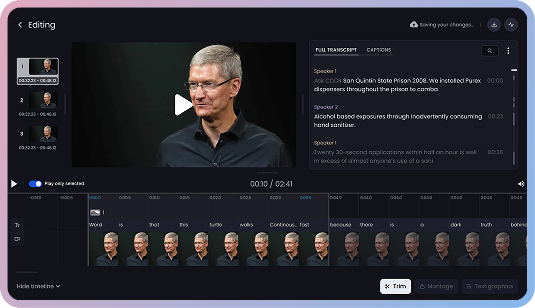
Teams that connect community platforms to their CRM systems unlock full attribution
CRM-connected programs are 2x more likely to succeed
Mature measurement enables pipeline and retention attribution
Revenue tracking increases executive buy-in and budget support
Explore other founder related case studies based on Funding, Outreach
Discover how high-frequency, structured LinkedIn publishing helped early-stage B2B SaaS companies unlock higher engagement & stronger visibility.
This LinkedIn Newsletter vs Substack research explores how B2B and SaaS companies use newsletters as scalable growth infrastructure for acquisition, trust, and predictable revenue.
A ready-to-use strategy template to build audience, demand, and authority before launch. Plan, validate, and grow early, so you don’t start from zero on day one.
Use ready-made business templates for planning, documentation, and execution.
Learn about the terms that founders and Entrepreneurs use throughout their journey and day to day activities.

Access legally structured agreements for partnerships, clients, and vendors.
Try free LinkedIn tools designed to improve visibility, clarity, and engagement.
Make your posts easier to read and more engaging with clean formatting.
Try for free >Use our LinkedIn hashtag generator to discover trending and relevant hashtags.
Try for free >Our LinkedIn AI headline generator helps you create engaging headlines that boost visibility
Try for free >Use Our LinkedIn Summary Generator to instantly create professional, engaging profile summaries.
Try for free >Feedback from people who have improved their reach, engagement, and opportunities with FinalLayer.
Feedback from people who have improved their reach, engagement, and opportunities with FinalLayer.
Communities create relationship-based switching costs that competitors cannot easily replicate, even if they copy product features.
Companies should begin when CAC is rising, retention matters, or peer support is scaling. Early investment compounds over time.
Platform choice depends on geography and audience behavior: Slack for US/EU enterprise, Discord for developers, and WhatsApp for emerging markets.
By integrating community activity with CRM systems and tracking pipeline, retention, and support deflection metrics.
Most successful programs require 12–18 months of consistent investment before meaningful business impact emerges.