
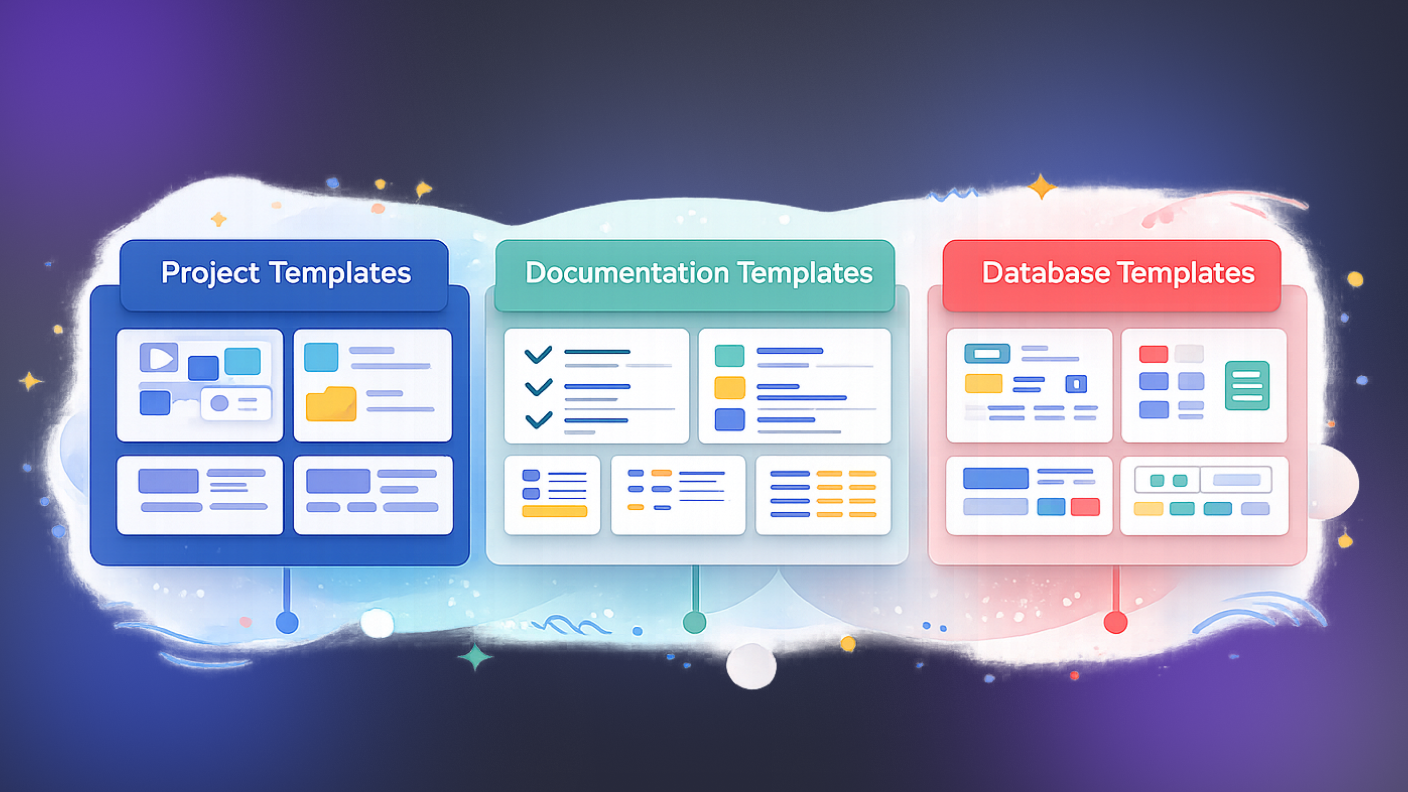
Templates
Use ready-made business templates for planning, documentation, and execution.
This LinkedIn Newsletter vs Substack research explores how B2B and SaaS companies use newsletters as scalable growth infrastructure for acquisition, trust, and predictable revenue.
RESULTS THAT MATTER
With paid channels becoming more expensive and less reliable, companies that rely only on rented distribution face structural risk.
When comparing LinkedIn Newsletter vs Substack, one of the most important factors is the economic advantage of owning your audience.
 Email generates $36–$42 in return for every $1 invested
Automated workflows drive 320% more revenue
52% of consumers have made purchases directly from email
The decision between LinkedIn Newsletter vs Substack should depend heavily on your company’s growth stage and monetization strategy.
Seed-stage companies benefit from Substack or Beehiiv
Series A–B companies require CRM-integrated tools like HubSpot
Enterprise teams rely on Marketo or Customer.io for advanced marketing
The decision between LinkedIn Newsletter vs Substack should depend heavily on your company’s growth stage and monetization strategy.
Founder-led social channels drive high-quality early subscribers
Referral programs and cross-promotions drive compounding growth
SEO and evergreen content create long-term acquisition leverage
Explore other founder related case studies based on Funding, Outreach
A ready-to-use strategy template to build audience, demand, and authority before launch. Plan, validate, and grow early, so you don’t start from zero on day one.
This research explores how high-performing SaaS companies use communities as long-term infrastructure to reduce acquisition costs, improve retention, and create defensible growth advantages.
Discover how high-frequency, structured LinkedIn publishing helped early-stage B2B SaaS companies unlock higher engagement & stronger visibility.
Use ready-made business templates for planning, documentation, and execution.
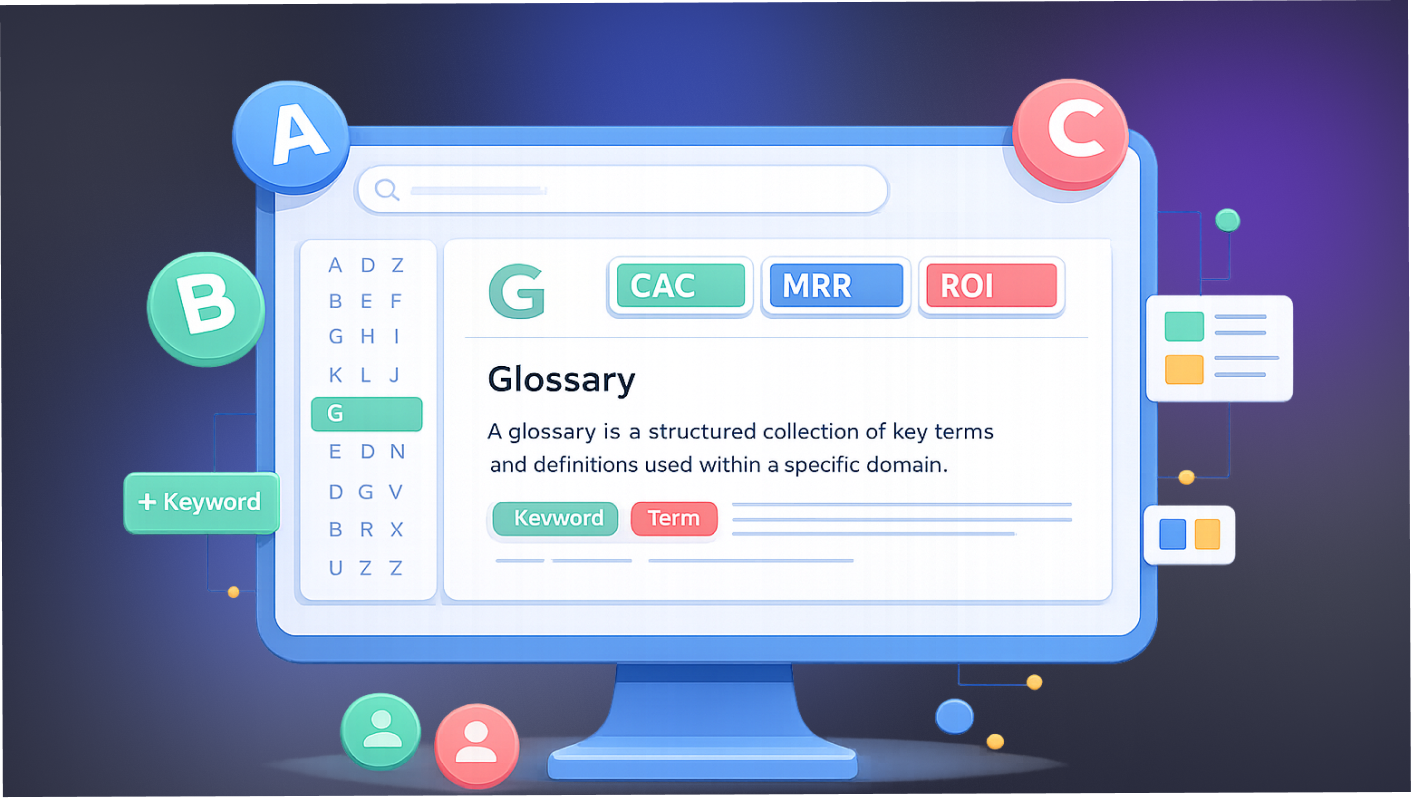
Learn about the terms that founders and Entrepreneurs use throughout their journey and day to day activities.

Access legally structured agreements for partnerships, clients, and vendors.
Try free LinkedIn tools designed to improve visibility, clarity, and engagement.
Make your posts easier to read and more engaging with clean formatting.
Try for free >Use our LinkedIn hashtag generator to discover trending and relevant hashtags.
Try for free >Our LinkedIn AI headline generator helps you create engaging headlines that boost visibility
Try for free >Use Our LinkedIn Summary Generator to instantly create professional, engaging profile summaries.
Try for free >Feedback from people who have improved their reach, engagement, and opportunities with FinalLayer.
Feedback from people who have improved their reach, engagement, and opportunities with FinalLayer.
In the LinkedIn Newsletter vs Substack comparison, newsletters are more reliable because they build a direct audience relationship. Unlike paid ads, they are owned channels with no algorithm dependency or rising acquisition costs.
In the LinkedIn Newsletter vs Substack landscape, newsletters generate strong returns, averaging $36–$42 for every $1 invested. This makes email one of the highest-performing digital marketing channels.
The LinkedIn Newsletter vs Substack decision should happen once a company has a defined ICP and distribution strategy. Starting with a clear audience focus increases the chances of long-term success.
For B2B SaaS companies evaluating LinkedIn Newsletter vs Substack, revenue usually comes from pipeline influence and customer retention, not sponsorships or paid subscriptions.
Success in LinkedIn Newsletter vs Substack typically requires 6–12 months of consistent publishing. Sustainable growth comes from long-term commitment and structured distribution strategies.