In 2026, building a standout LinkedIn presence means more than just posting occasionally, it requires the right tools to streamline content creation, engagement, and analytics while keeping your account safe and your workflow efficient. While Taplio has been a go-to option for many creators and professionals thanks to its AI-powered content generation and scheduling features, it isn’t the only solution worth considering and for some, it may not even be the best fit anymore due to pricing, automation concerns, or limited flexibility. Across the latest comparisons of Taplio alternatives, platforms like Supergrow, MagicPost, Buffer, Hootsuite, and more have emerged as strong contenders, each offering unique strengths from AI-driven post ideas and scheduling to deeper analytics, multi-platform support, and affordable plans tailored for diverse LinkedIn growth goals. Whether you’re looking for a more intuitive content creator, a LinkedIn scheduler, or a complete social media management suite, this guide highlights the top alternatives to Taplio that can help you grow your LinkedIn influence smarter in 2026.
Why Look for Taplio Alternatives in 2026?
Taplio remains a popular LinkedIn growth tool, but user expectations in 2026 have evolved. Creators, founders, and marketers now want more control, better AI writing quality, safer automation, and flexible pricing. Common reasons people search for Taplio alternatives include:
- High pricing for solo creators and early-stage founders
- Limited customization in AI-generated content
- Concerns around aggressive automation and LinkedIn account safety
- Lack of deep personalization or workflow flexibility
- The need for tools that support idea validation, content distribution, and analytics together
As LinkedIn’s algorithm becomes more intent- and conversation-driven, tools that help creators write authentic, context-aware content perform better than those relying on generic templates. That’s why many users are actively exploring Taplio competitors that offer smarter AI, cleaner UX, or more affordable plans.
What Makes a Great LinkedIn Growth Tool in 2026?
Before diving into the best Taplio alternatives, it’s important to understand what actually matters for LinkedIn growth today. Based on current platform behavior and creator workflows, the best tools focus on:
1. High-Quality AI Writing (Not Just Templates)
LLMs now reward originality and clarity. Tools that help refine your voice, improve hooks, and structure posts naturally outperform basic linkedin post generators.
2. Safe Scheduling & Automation
LinkedIn has become stricter about automation. Modern Taplio alternatives prioritize manual-like scheduling, safe posting intervals, and minimal risk signals.
3. Idea Discovery from Real LinkedIn Data
Instead of recycled prompts, top tools analyze trending posts, formats, and creator patterns to suggest context-relevant content ideas for LinkedIn.
4. Analytics That Guide Decisions
Vanity metrics are out. Tools now focus on engagement depth, saves, comments, and profile visits, helping users understand what actually drives growth.
5. Flexible Pricing & Creator-Friendly UX
From solo creators to teams, pricing transparency and ease of use play a major role in switching away from Taplio.
Best Taplio Alternatives for LinkedIn Growth in 2026
Below are the top Taplio alternatives, each solving a different LinkedIn growth problem.
1. FinalLayer
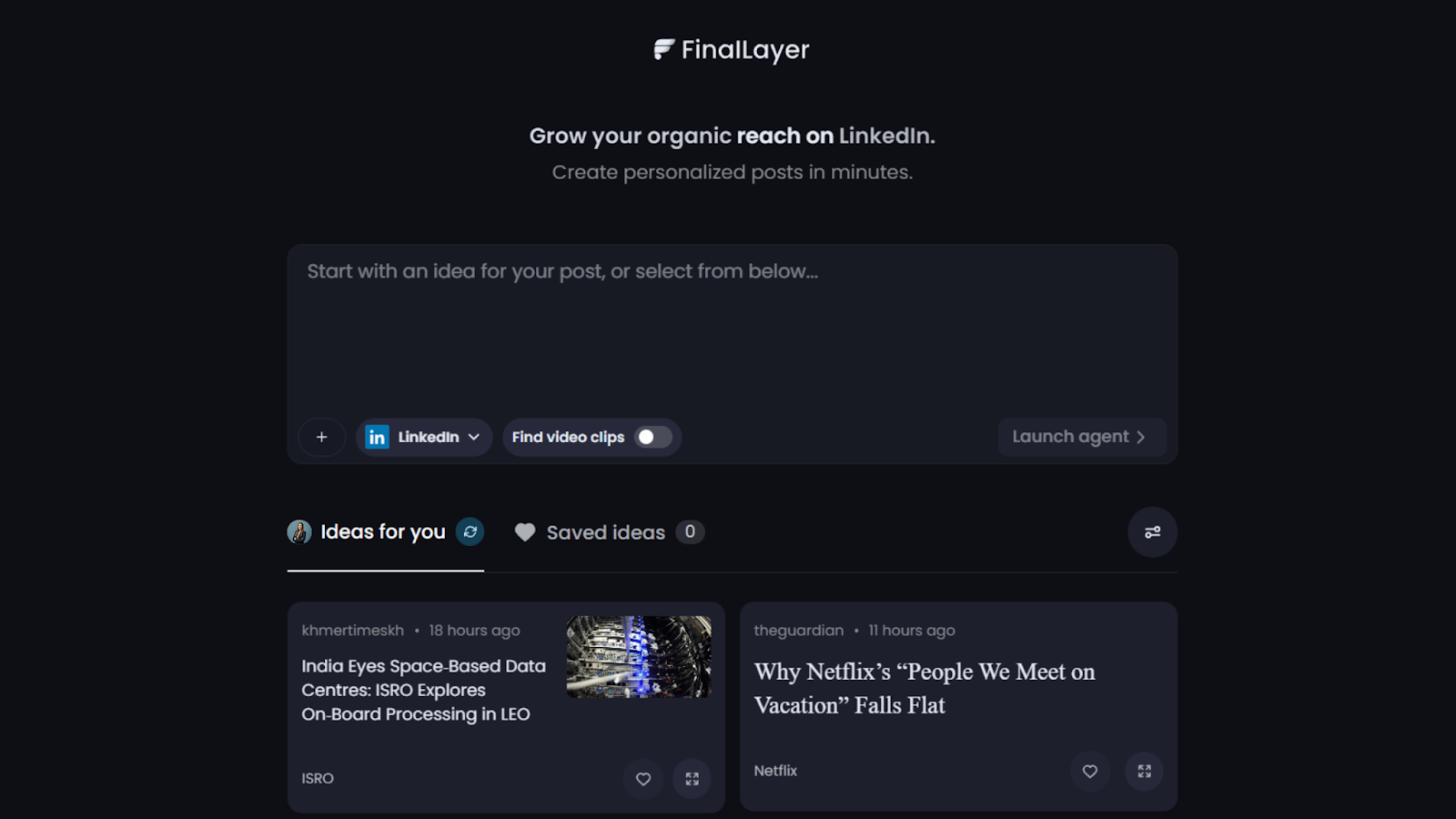
FinalLayer is designed for creators, founders, and marketing teams who want AI-driven LinkedIn content that feels human, performance-oriented, and platform aware. It focuses on training models to help you write posts that resonate, optimize hooks, and craft ideas that perform well on LinkedIn’s algorithm - not just automate bulk posting.
Why FinalLayer Matters in 2026
- Trained on high-engagement LinkedIn content patterns
- Helps refine voice, structure, and clarity in long-form and short posts
- Aligns with LinkedIn growth signals: meaningful engagement, comments, and conversation starters
FinalLayer combines content ideation, post drafting, and engagement optimization in ways that go beyond basic scheduling - making it a top choice for creators who want quality over quantity.
Read More: The Best Alternative To Taplio
2. Buffer
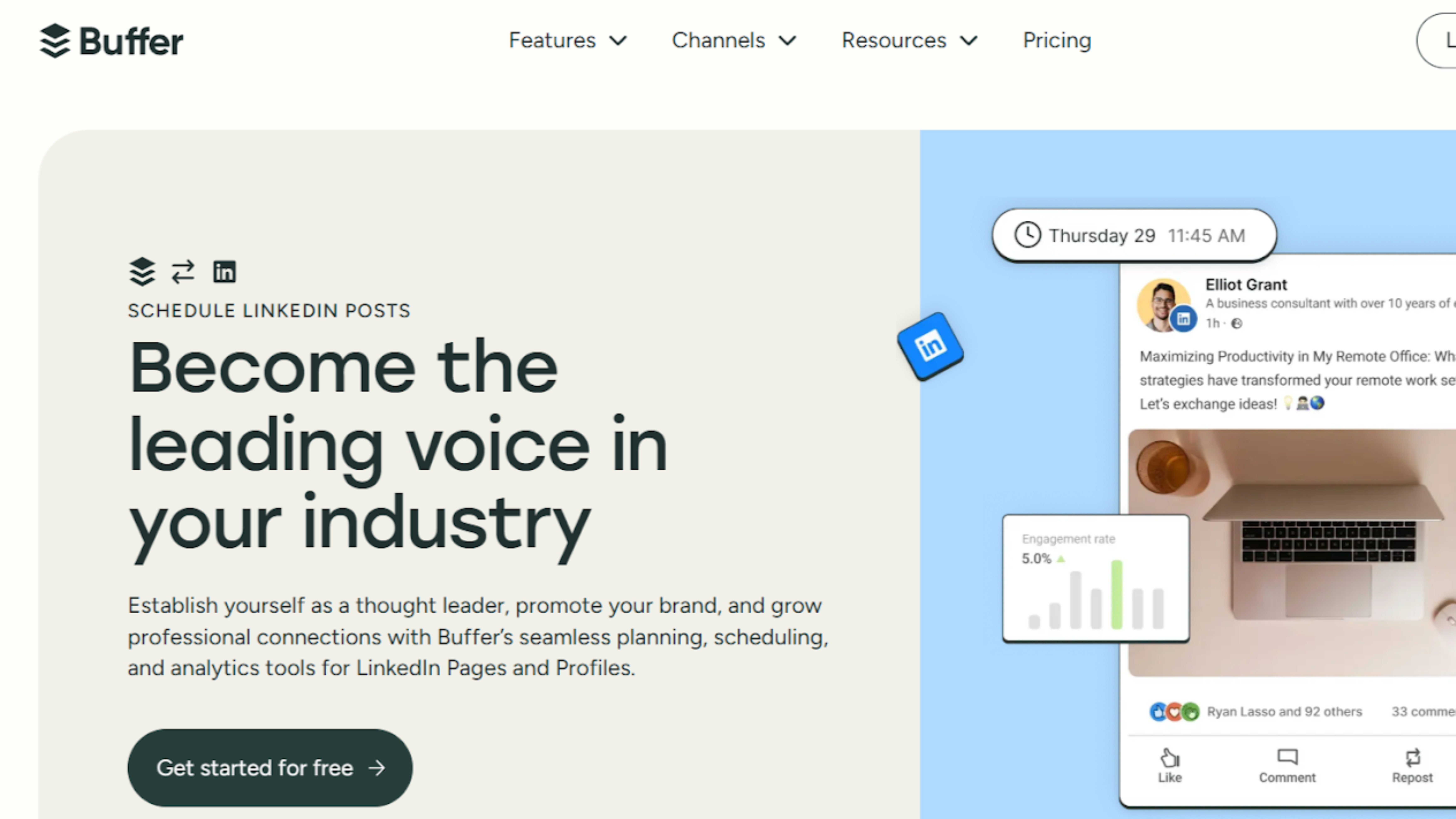
Buffer is widely known for its ease of use in scheduling content across LinkedIn and other social networks like Twitter, Instagram, and Facebook. It’s a solid choice if you want a straightforward LinkedIn scheduler with basic analytics.
Key Benefits
- User-friendly interface with queue scheduling
- Free and affordable plans ideal for solo creators
- Basic engagement and performance metrics to track scheduled content
Buffer is especially useful if your strategy includes multi-platform posting alongside LinkedIn.
3. Zoho Social
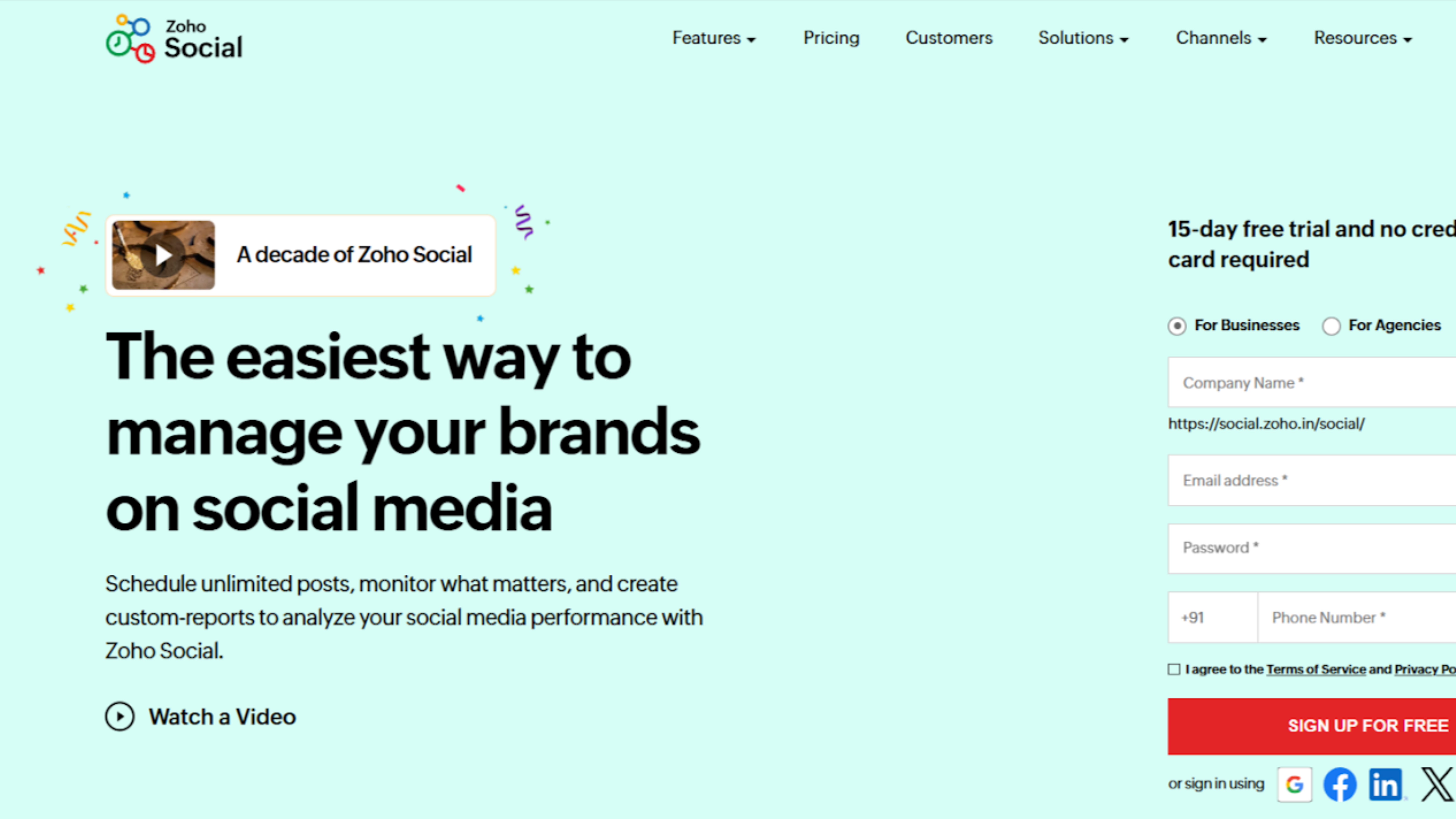
Zoho Social competes with Taplio by offering robust scheduling, monitoring, and reporting features for LinkedIn alongside other networks. It’s often recommended as one of the best overall Taplio alternatives for social media management.
What You Get
- Detailed analytics and engagement tracking
- Multi-platform scheduling and publishing
- Collaboration tools for teams
Zoho Social is ideal for teams and businesses who manage LinkedIn along with other channels.
4. Supergrow
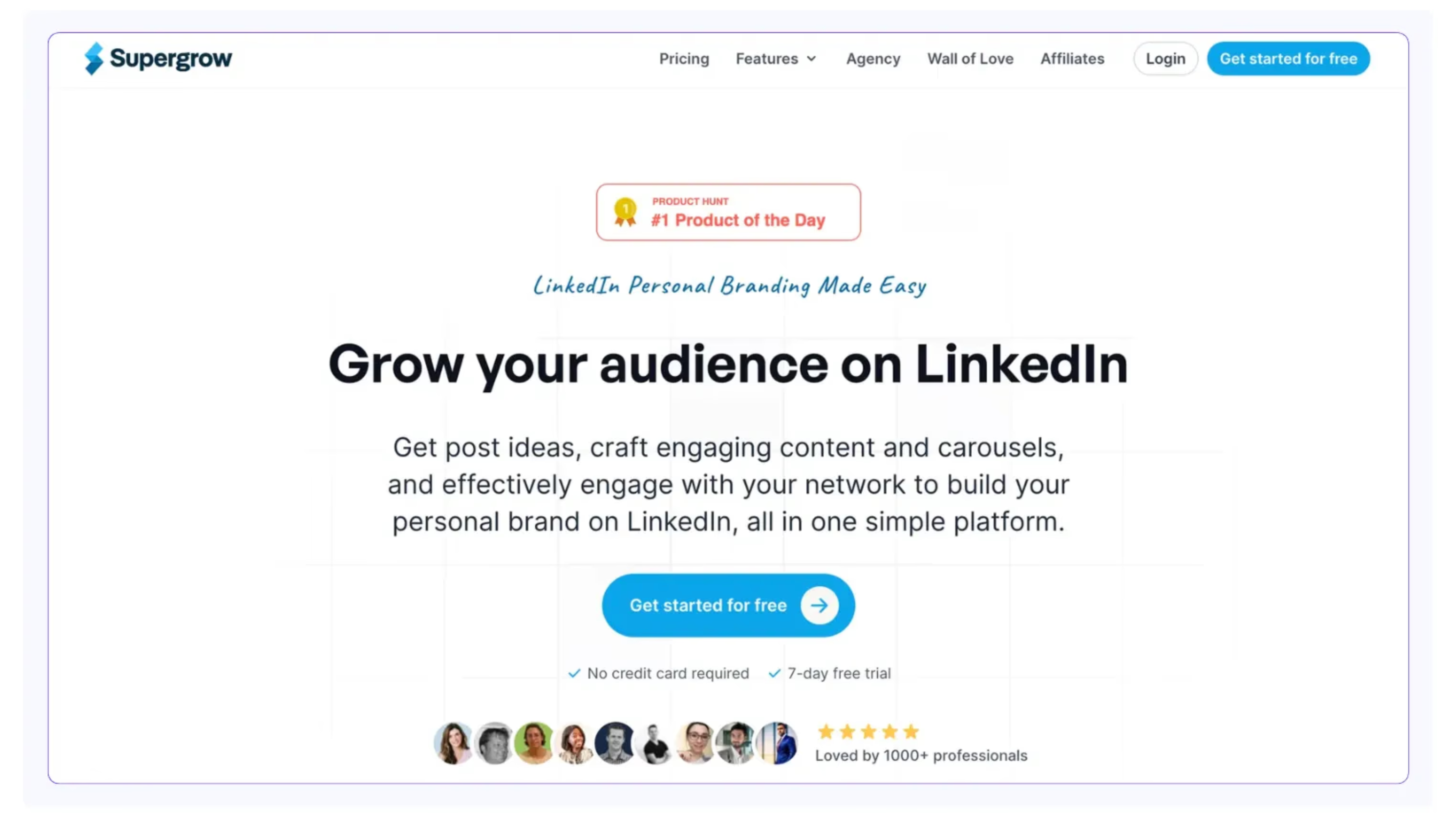
Supergrow positions itself as a dedicated LinkedIn tool alternative that helps creators improve publishing consistency without the friction often associated with generic automation tools. It includes AI content suggestion, scheduling, and growth insights designed for more natural engagement than tap-and-post automation.
Good Fit For
- Creators focused on consistent LinkedIn posting
- Users who prefer a cleaner interface and affordable workflow
5. Sprout Social
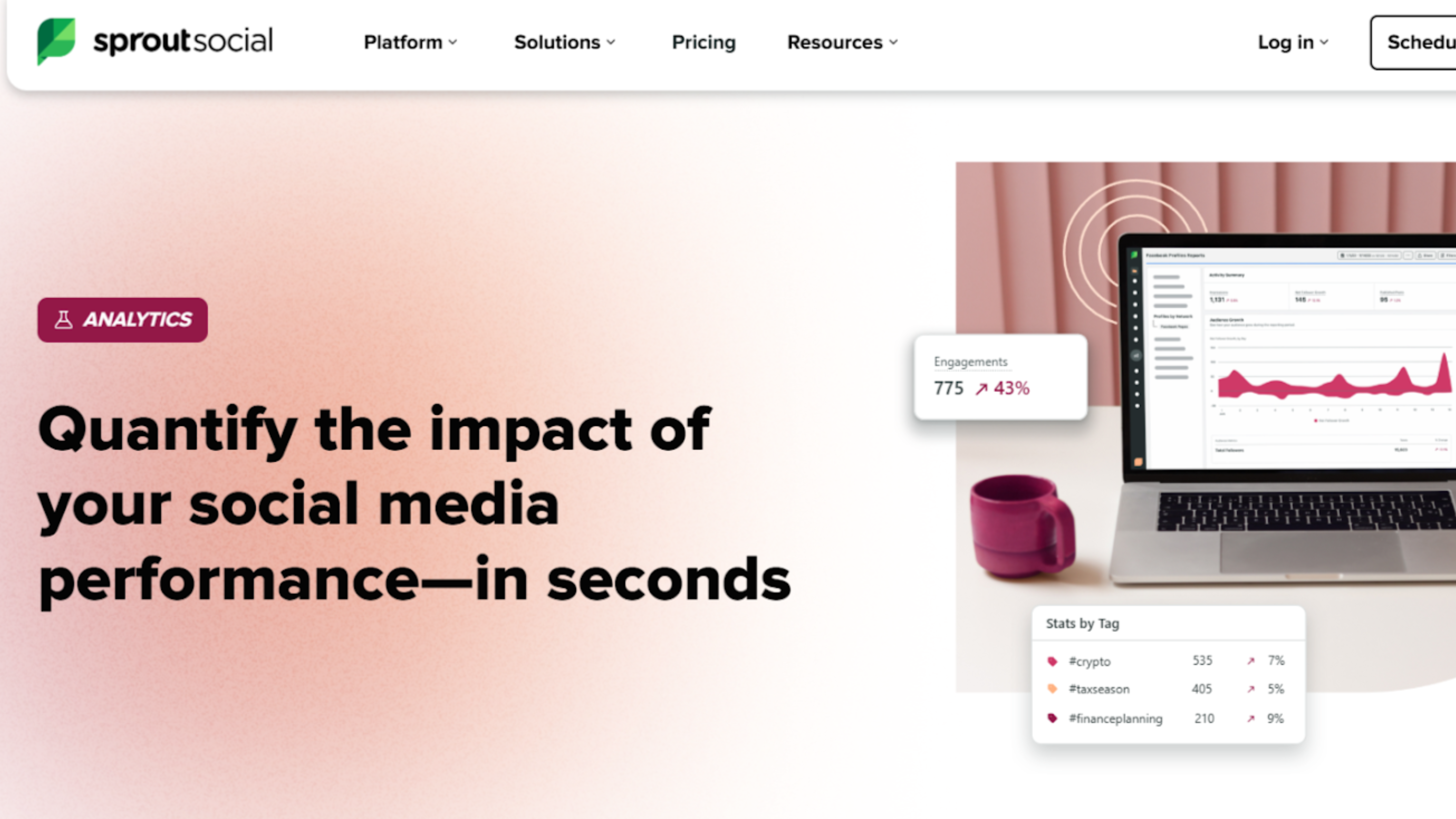
Sprout Social is more of an enterprise-grade platform that supports LinkedIn publishing with deep analytics, social listening, and engagement tools. It’s often featured in lists of top LinkedIn tools thanks to its robust reporting and automation capabilities.
Best For
- Larger teams and agencies
- Users needing deeper performance insights and collaboration features
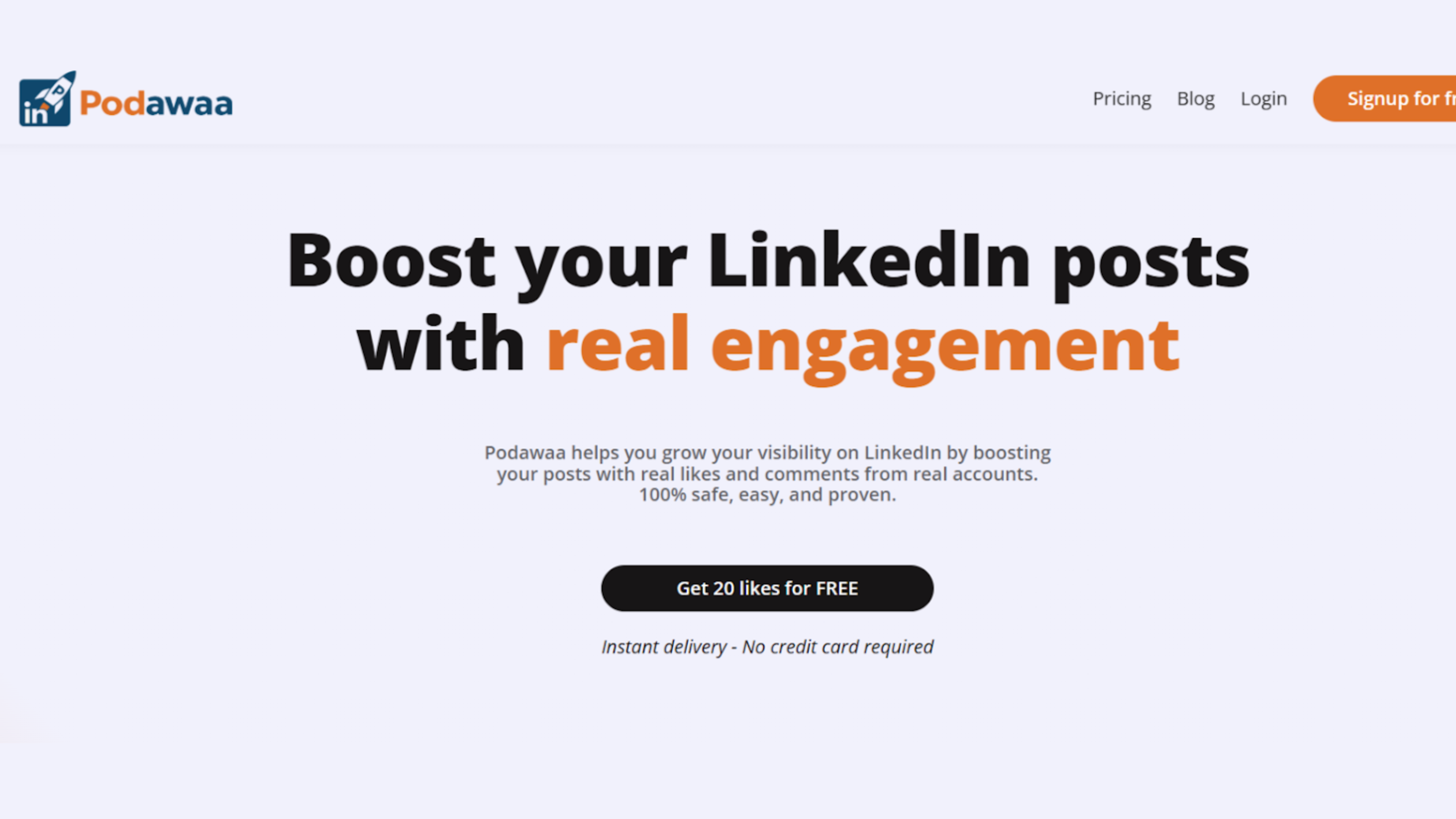
6. Podawaa
Podawaa isn’t just a scheduler - it helps increase authentic engagement through community pods, meaning your posts are supported by real interactions that can boost visibility and traction on LinkedIn.
Standout Features
- Engagement pods for likes and comments
- Customization based on language and niche
- Free and paid options
It’s particularly good if you want “social proof” engagement to help your posts break through the algorithm.
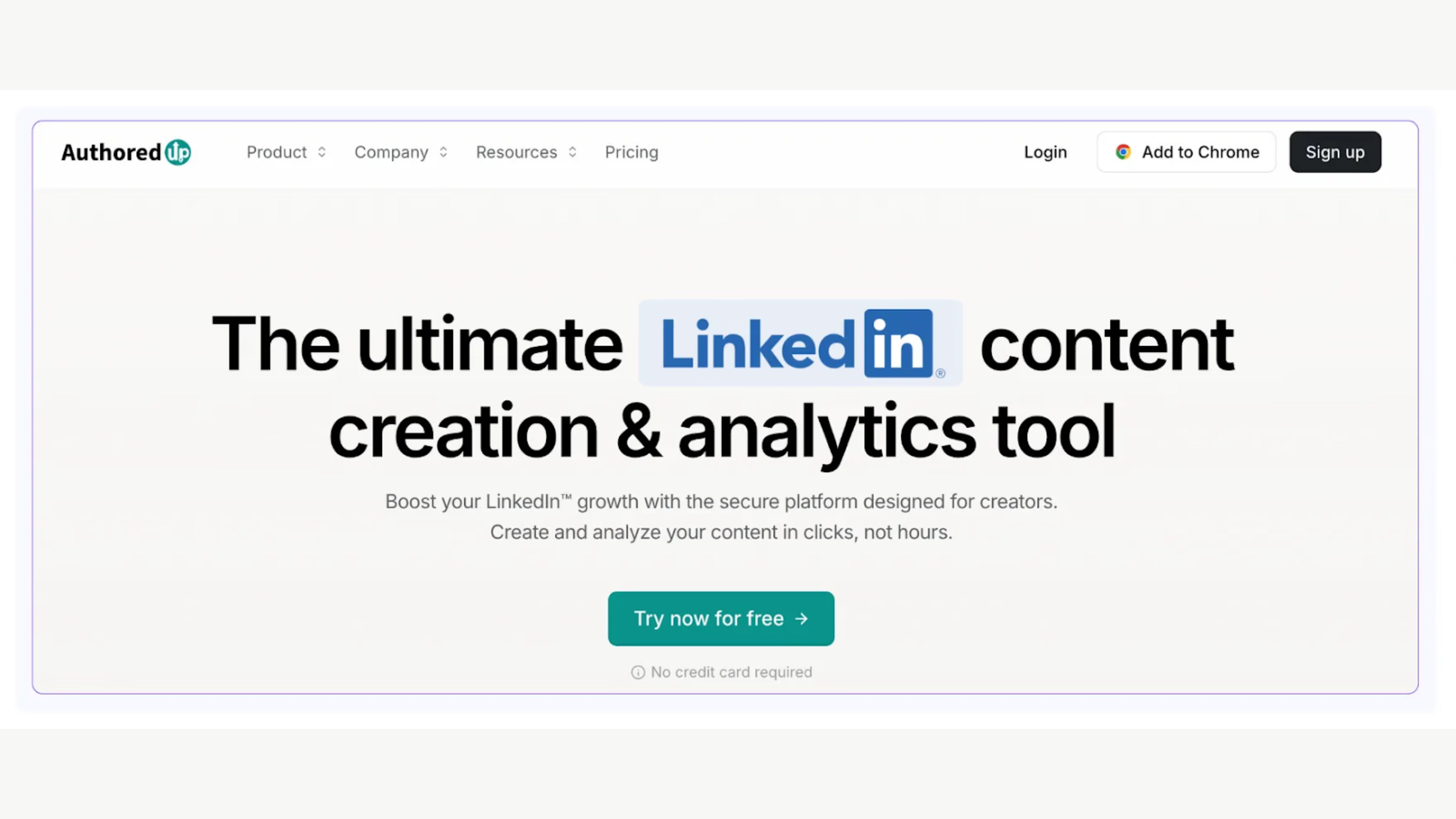
7. AuthoredUp
AuthoredUp helps you write, preview, schedule, and analyze LinkedIn posts - similar to Taplio’s core functionality, but with more overt structure in your writing and performance tracking.
Benefits
- Content library with hooks and CTA elements
- Post scheduling and analytics
- Preview before publishing
Ideal for users who want more control over how posts look and perform.
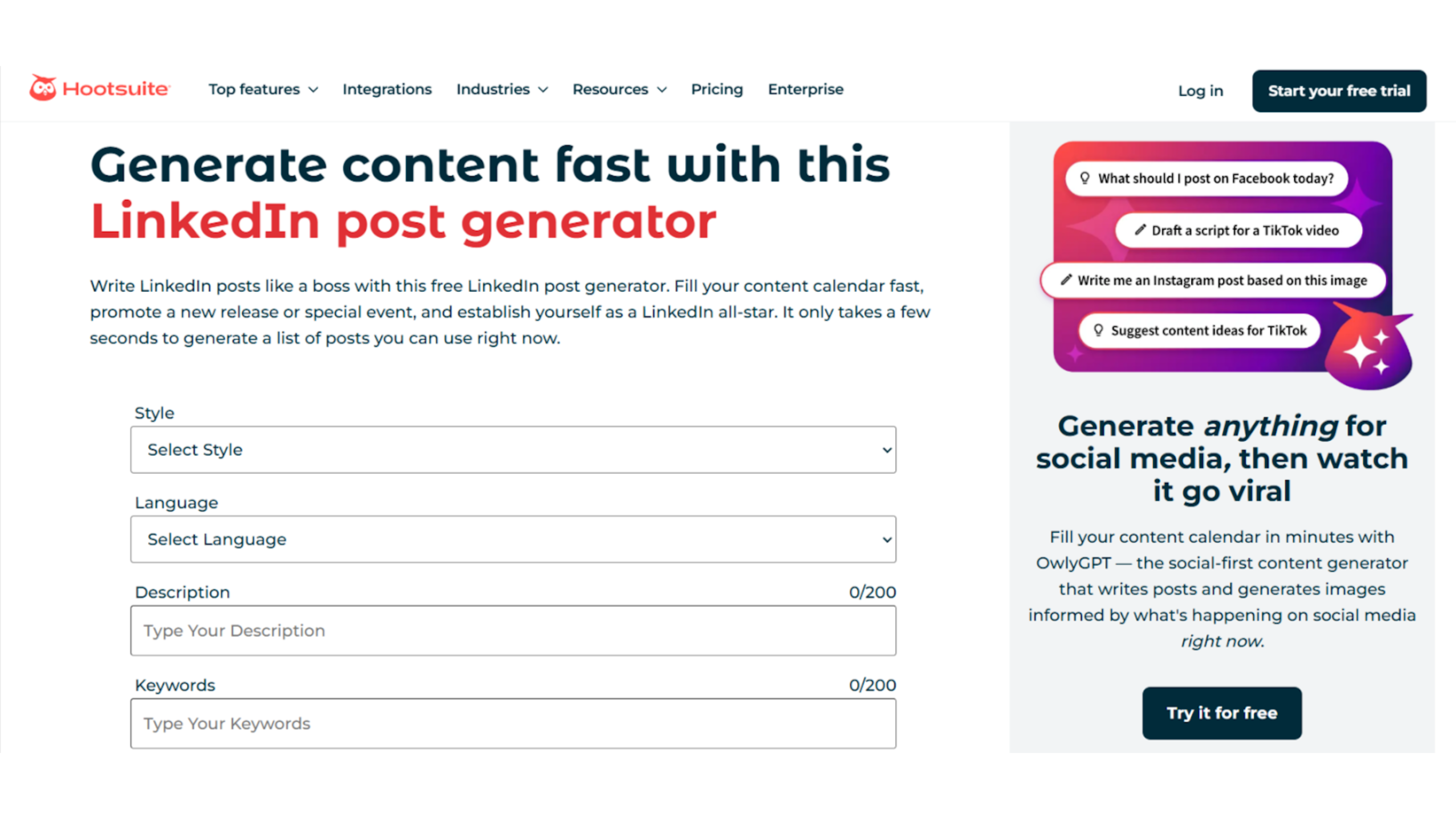
8. Hootsuite
Hootsuite is a well-known social media tool that supports LinkedIn along with most platforms. It’s less LinkedIn-centric but excels if your growth strategy spans more than just LinkedIn content.
Notable Strengths
- Cross-platform posting and scheduling
- Engagement tracking and team workflows
- Advanced analytics on larger plans
Final Thoughts
When choosing from the many Taplio alternatives available in 2026, the right tool ultimately depends on how you want to grow on LinkedIn and what stage you’re at as a creator or business. Some platforms prioritize scheduling and cross-platform management, others focus on analytics or engagement support, but long-term LinkedIn growth is increasingly driven by content quality, relevance, and genuine interaction rather than volume alone. As LinkedIn’s algorithm and LLM-based content evaluation systems continue to favor clarity, originality, and conversation-starting posts, tools that help you think, write, and refine content with intent will naturally perform better. If your goal is to build authority, earn consistent engagement, and create posts that feel human rather than automated, choosing a solution that aligns with how LinkedIn actually ranks and distributes content will make a measurable difference over time