
Entrepreneurship
Entrepreneurship is the dynamic process of creating, developing, and managing new business ventures aimed at delivering products, services, or ideas that generate economic value. It involves identifying market opportunities and taking calculated risks to innovate and solve problems, all while emphasizing growth and scalability. This journey can encompass a range of activities, from launching small businesses focused on local markets to establishing start-ups with ambitious growth trajectories, often requiring substantial startup funding. Entrepreneurs play a pivotal role in societal advancement by fostering innovation and driving economic development. In recent discussions around entrepreneurship, key elements such as the entrepreneurial mindset, characterized by creativity, resilience, and adaptability, have become increasingly significant. Aspiring entrepreneurs are encouraged to develop comprehensive business plans, drawing from popular resources and templates that clarify the initial steps in setting up a successful venture. Moreover, they must navigate potential financing options, whether through bootstrapping methods or external funding sources like angel investors and venture capital firms. The emphasis on entrepreneurial skills and resources reflects the diverse landscape of entrepreneurship today, where individuals from various backgrounds are finding pathways to establish their own businesses while contributing to job creation and market diversity. With the rise of technology, including artificial intelligence and digital collaboration, entrepreneurship continues to evolve, creating new opportunities across sectors like healthcare and remote work. As the landscape becomes more competitive, learning key entrepreneurship tips and understanding different types of business structures can significantly influence an entrepreneur's success. Ultimately, entrepreneurship represents not only a means of personal achievement but also a critical driver of economic growth and social change in our increasingly interconnected world.
What is the best way to prepare for starting your own company?
According to Kai-Fu Lee, the best preparation for entrepreneurship isn't immediately starting your own company after graduation. Instead, he strongly recommends joining a small startup (under 100 people) for at least two years. This experience allows you to learn multiple roles, understand business models, develop soft skills, and observe leadership firsthand. Unlike large corporations where employees often get pigeonholed into narrow roles, small companies provide comprehensive entrepreneurial training as you'll participate in various aspects of the business. Lee warns that 99% of people who start companies too early fail because they lack the necessary experience. By spending time in an existing startup, your likelihood of success dramatically increases when you eventually launch your own venture.
Watch clip answer (02:55m)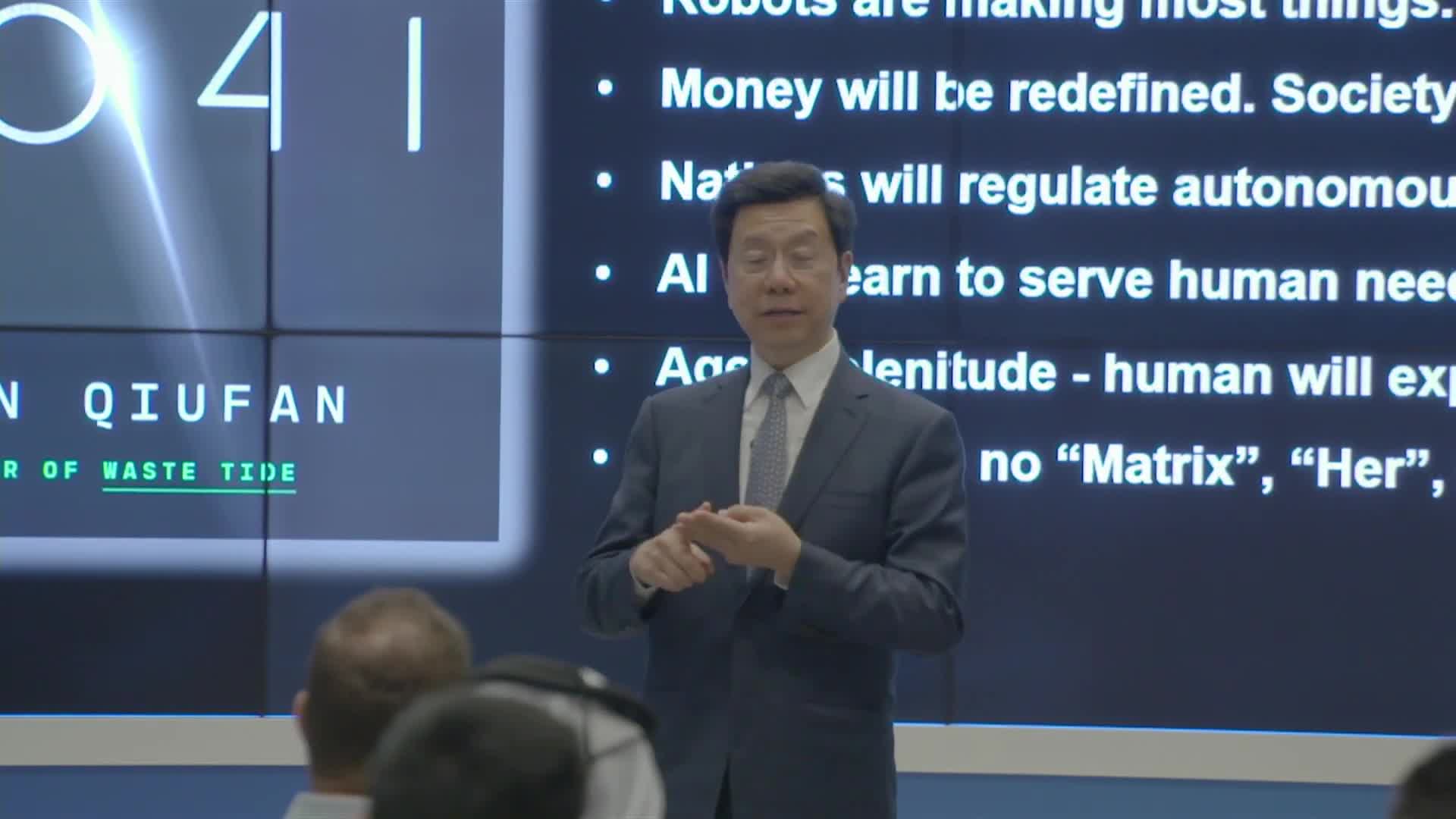
MBZUAI
01:16:08 - 01:19:03
How is the Indian government supporting MSMEs and startups through recent policy changes?
The Indian government has enhanced support for MSMEs and startups, which contribute 29% of GDP and 50% of exports. For MSMEs, loan guarantee limits have increased from 5 to 10 crore rupees, while startups can now access up to 20 crore rupees (up from 10 crore). Additionally, the government has revised MSME definitions, allowing businesses to grow larger while retaining MSME benefits. The investment limit for micro enterprises has increased to 2.5 crore rupees with turnover up to 10 crore, enabling small businesses to expand without losing access to subsidies, tax perks, and low-interest loans.
Watch clip answer (03:59m)
Think School
17:01 - 21:01
How can businesses determine if their product or service will succeed online?
According to Sathya, the key is test marketing. He emphasizes asking yourself where your customers are spending their time—online or offline—and then testing your offerings in the market. If the market responds well, you proceed with selling more and delivering the service. If not, you should reconsider your approach. Sathya stresses that business is fundamentally customer-based, and success depends on understanding market response. Through his experience coaching across 35 different areas, he discovered that virtually any business can thrive online with the right digital marketing strategy. This customer-centric approach helped him transition his own business online even before the COVID-19 pandemic.
Watch clip answer (03:40m)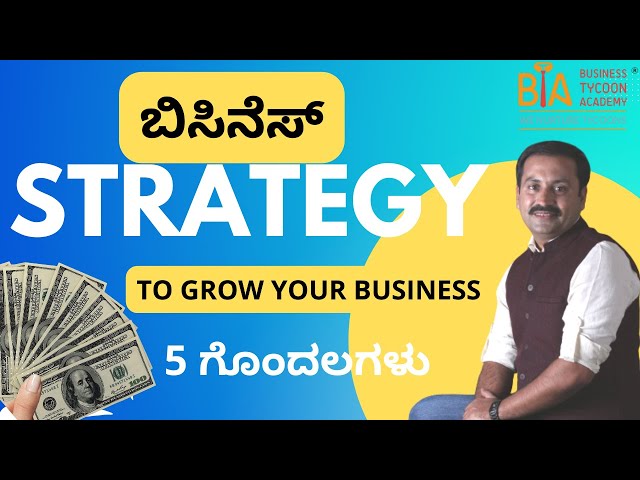
Master Coach Sathya's BTA
01:42 - 05:22
How can entrepreneurs effectively use CEO branding to promote their business?
According to Brian Halligan, CEO branding is an incredibly powerful tool for entrepreneurs that doesn't necessarily require financial investment. Unlike traditional corporations where CEOs remain anonymous (like those of Walmart or Exxon), founders can leverage their personal charisma, charm, and intellect to attract customers. By creating their own brand identity through content creation—like blogs or social media—entrepreneurs can pull people in organically. Halligan highlights that effective CEO branding isn't about spending dollars but rather using one's unique personality and expertise to create engaging content that resonates with audiences, similar to how Pope Francis utilizes his brand with 45 million Twitter followers.
Watch clip answer (01:20m)
TiE Boston
15:13 - 16:34
What are the two types of client outreach emails and when should they be used?
Alessandro Di Ruscio describes two email formats for client outreach. The first is a standard email used for the majority of clients - those you want to work with but aren't necessarily your dream collaborations. The second format is specifically for clients you absolutely want to work with and deeply admire. Both email formats require personalization, particularly in the subject line, which should always include the company name to appear authentic and distinguish your message from spam. This personalized approach increases the likelihood of getting your email read and receiving a positive response.
Watch clip answer (01:28m)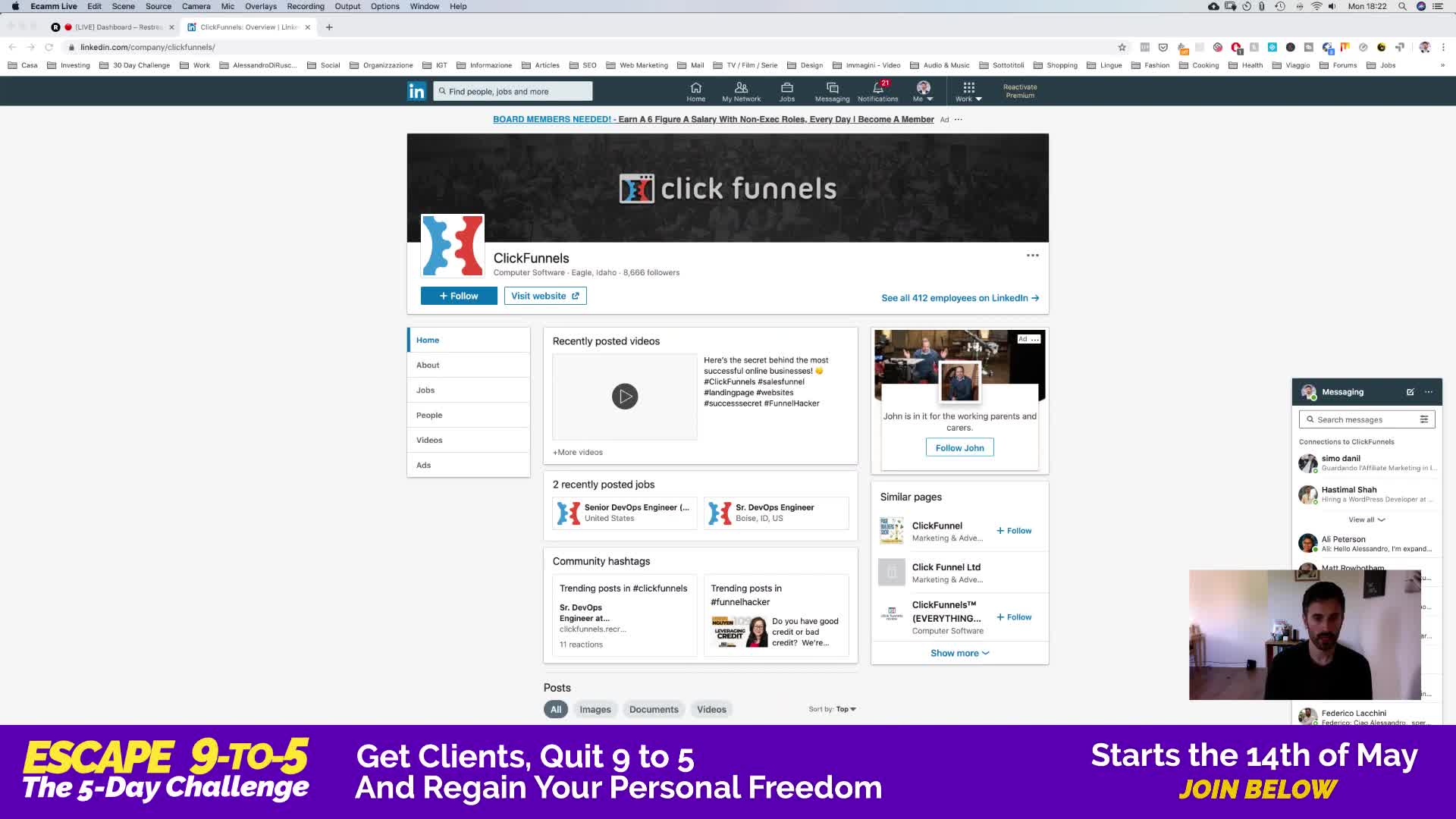
The Escape 9-to-5 Show
07:15 - 08:43
What was Walter Cruttenden's biggest mistake during his journey with Acorns?
Walter Cruttenden identifies hiring the wrong people as his most significant mistake during his Acorns journey. He explains that giving someone too much authority without proper oversight can lead to wasted resources on poor marketing campaigns or bad investment decisions that an experienced person would have avoided. These hiring mistakes often resulted in poor capital expenditure decisions and mismanagement of resources. Cruttenden emphasizes the importance of understanding your industry before launching a business, as there are already enough challenges to solve without adding the disadvantage of industry inexperience. This insight highlights the delicate balance between trusting team members and maintaining appropriate oversight in a growing fintech company.
Watch clip answer (01:56m)
Strides Development
23:22 - 25:19