
Rio de Janeiro
How are residents in the Bateau Muje favela coping with the extreme heat in Rio de Janeiro?
In the Bateau Muje favela located in western Rio de Janeiro, residents are employing simple but effective cooling strategies to combat the severe heatwave. Their primary method involves dousing themselves with water to reduce their body temperature amid unbearable conditions where temperatures have reached up to 44 degrees Celsius. This community is particularly vulnerable as favelas often function as urban heat islands, intensifying the already extreme temperatures. These cooling efforts have become essential for daily survival as the city faces a level four heat alert, all while preparations for the upcoming Carnival festivities continue despite the challenging climate conditions.
Watch clip answer (00:06m)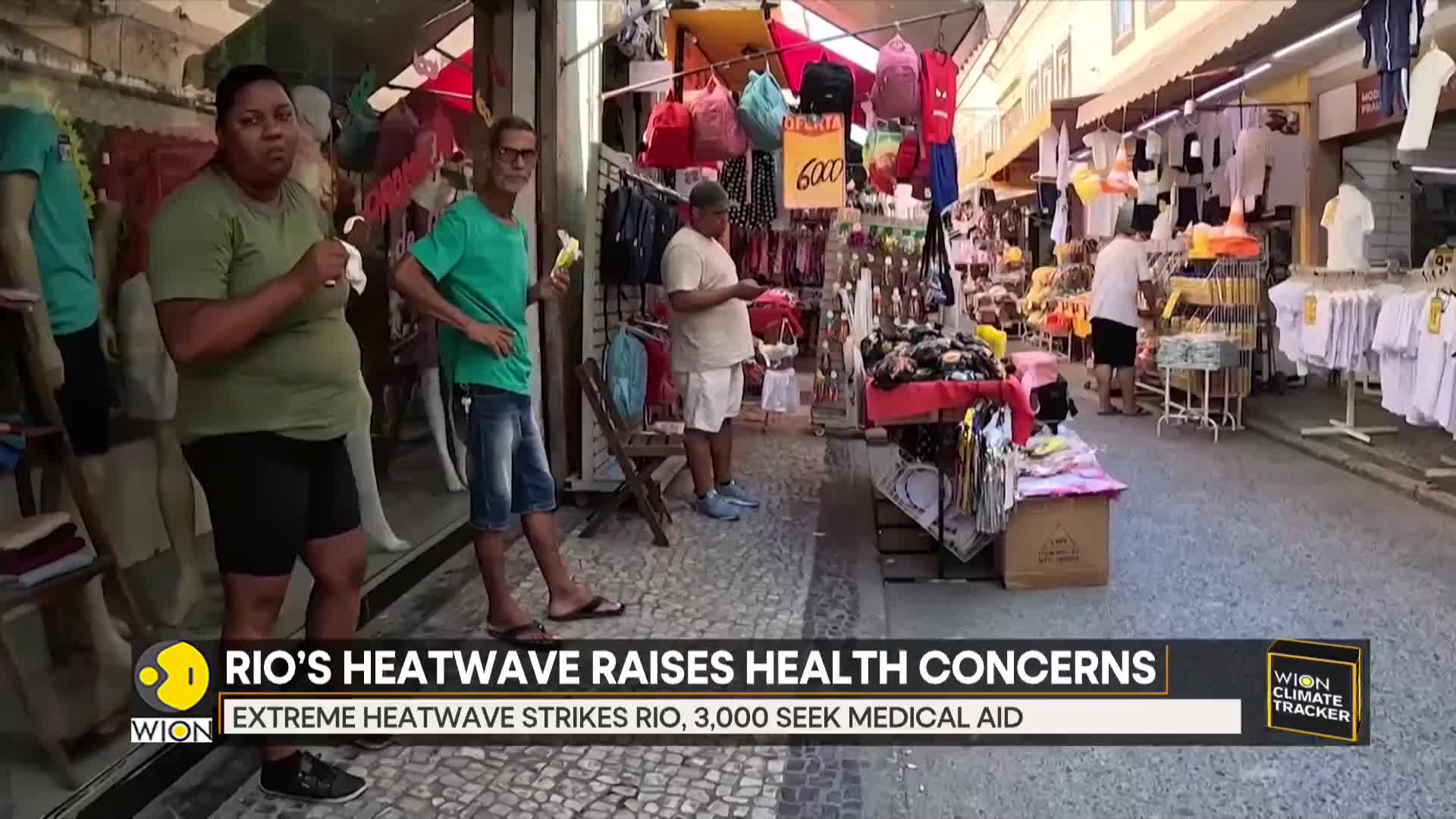
WION
02:54 - 03:00
How is the heat wave in Rio de Janeiro affecting Carnival preparations?
The heat wave struck Rio de Janeiro less than two weeks before Carnival, directly impacting construction workers who are currently assembling the festival's installations. Despite the extreme temperatures, Rio's mayor Eduardo confirmed that the city would not cancel any Carnival events, which attract millions of tourists and serve as a major revenue source for the city. The timing of this extreme weather has raised concerns about the smooth running of the festival, though officials appear determined to proceed with this economically significant celebration.
Watch clip answer (00:22m)WION
02:21 - 02:43
What extreme weather events has Brazil been experiencing in recent years?
Brazil has been experiencing a series of extreme weather events in recent years, with the state of Sao Paulo and Southeast currently under alert due to the first heat wave of the year, recording temperatures around 38 degrees Celsius. These severe weather conditions extend beyond heat waves to include floods, droughts, and fires across the country. Experts have linked these increasingly frequent and intense extreme weather patterns to global warming, indicating a concerning climate trend for the region. The current heat alert highlights Brazil's vulnerability to climate change impacts and the growing challenges faced by urban populations, particularly in densely populated areas.
Watch clip answer (00:16m)WION
03:00 - 03:17
How is the heat wave in Rio de Janeiro affecting the upcoming Carnival festival?
The heat wave has struck Rio de Janeiro less than two weeks before the world-famous Carnival, directly impacting construction workers who are assembling festival installations and raising concerns about the smooth running of events. Despite temperatures reaching extreme levels, Rio Mayor Eduardo confirmed that the city would not cancel any Carnival events due to the heat. This decision reflects the festival's economic importance, as Carnival attracts millions of tourists and serves as a major revenue generator for the city.
Watch clip answer (00:22m)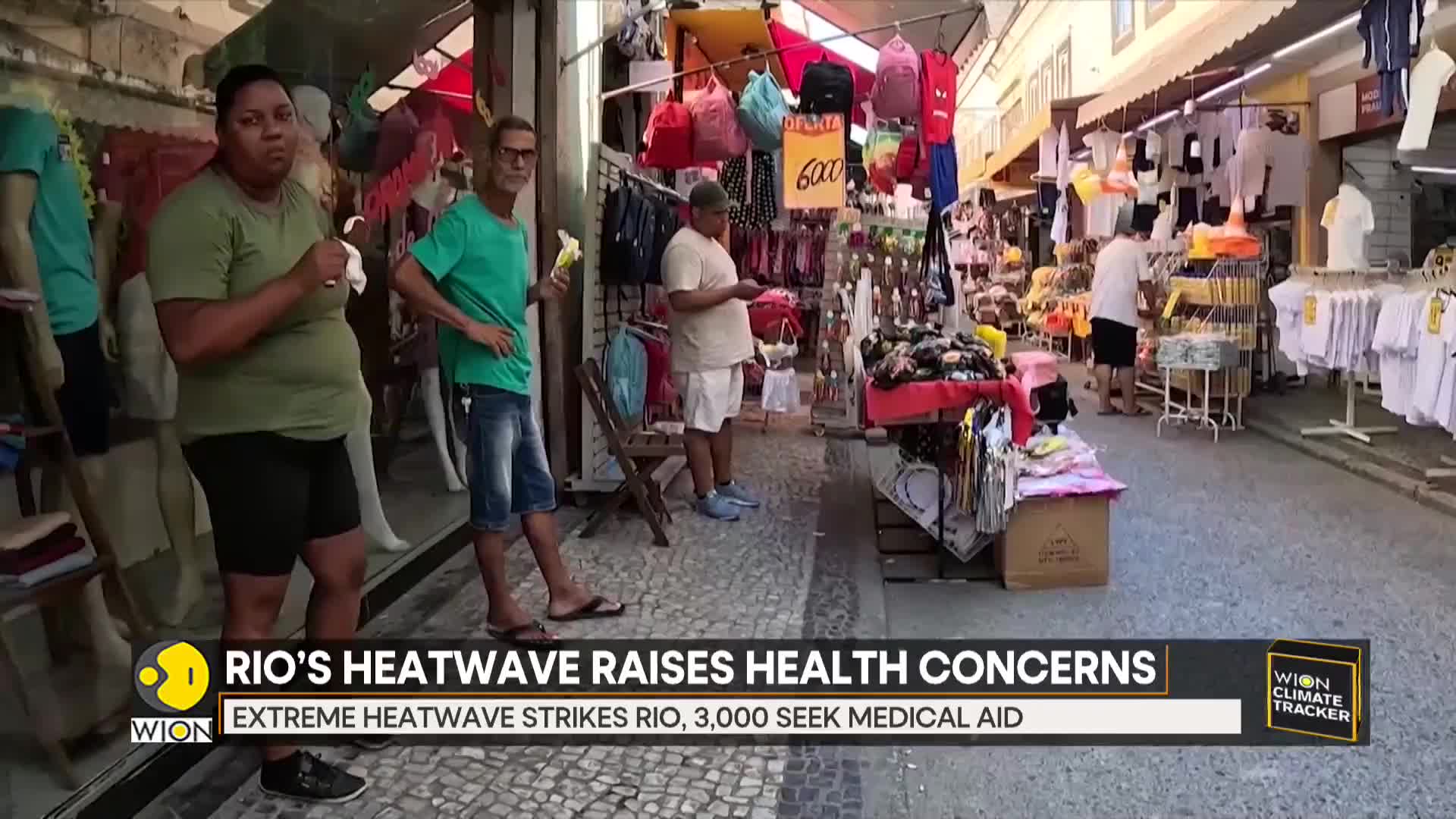
WION
02:21 - 02:43
How is the extreme heat affecting Rio de Janeiro and its events?
Rio de Janeiro is experiencing severe heat conditions that have reached a level four heat alert (with five being the maximum), significantly impacting city activities. The extreme temperatures have forced a leading Samba School to cancel its parade rehearsal on Copacabana beach, while residents crowd beaches seeking relief from the heat. The Rio Open tennis tournament is particularly affected, with top tennis stars facing challenging conditions both on and off the court. This combination of extreme heat during Carnival preparation season demonstrates how climate conditions are disrupting both daily life and major events in one of Brazil's most iconic cities.
Watch clip answer (00:20m)WION
01:02 - 01:23
How has climate change affected Brazil in recent years?
In recent years, Brazil has been severely impacted by a range of extreme weather events that experts attribute to global warming. These climate-related disasters include devastating floods, prolonged droughts, and widespread fires that have caused significant disruption across the country. Currently, Rio de Janeiro is experiencing record-breaking temperatures reaching 44 degrees Celsius during pre-Carnival festivities, prompting authorities to issue a level four heat alert. This extreme heat is particularly concerning for public health, especially in densely populated favelas, and has forced city officials to implement special hydration protocols while advising people to avoid direct sun exposure.
Watch clip answer (00:08m)WION
03:08 - 03:17