
misinformation
How does AI impact cybersecurity?
AI is a double-edged sword in cybersecurity. On one hand, it empowers defenders with advanced tools that analyze massive datasets at unprecedented speeds, detect threats in real time, identify malicious code with high accuracy, and automate incident response for more efficient handling of potential threats. This allows security teams to be more proactive rather than reactive. On the other hand, AI is also a powerful tool for attackers, enabling them to create sophisticated malware capable of adapting and evolving to bypass security measures. AI-powered attacks can generate convincing phishing attempts that trick even cautious individuals and spread disinformation at alarming rates. This dual nature makes AI both revolutionary for defense while simultaneously creating new vulnerabilities organizations must address.
Watch clip answer (01:44m)
Stealth-ISS Group Inc. - Cyber Security
00:28 - 02:12
How can government officials effectively counter misinformation and maintain public trust during a potential Trump administration?
Congresswoman Jasmine Crockett proposes implementing daily briefings to directly communicate facts to the American public, similar to how governors provided COVID updates to counter Trump's misleading statements. She emphasizes that when only Trump's 'lackeys' run government agencies, honest information becomes scarce. Crockett highlights the importance of having ethical officials willing to stand up rather than resign, and suggests proactively engaging with voters across political lines. By focusing on how policies directly impact people's lives—from family farms to Medicare to transportation safety—officials can help citizens understand the personal stakes regardless of party affiliation.
Watch clip answer (03:51m)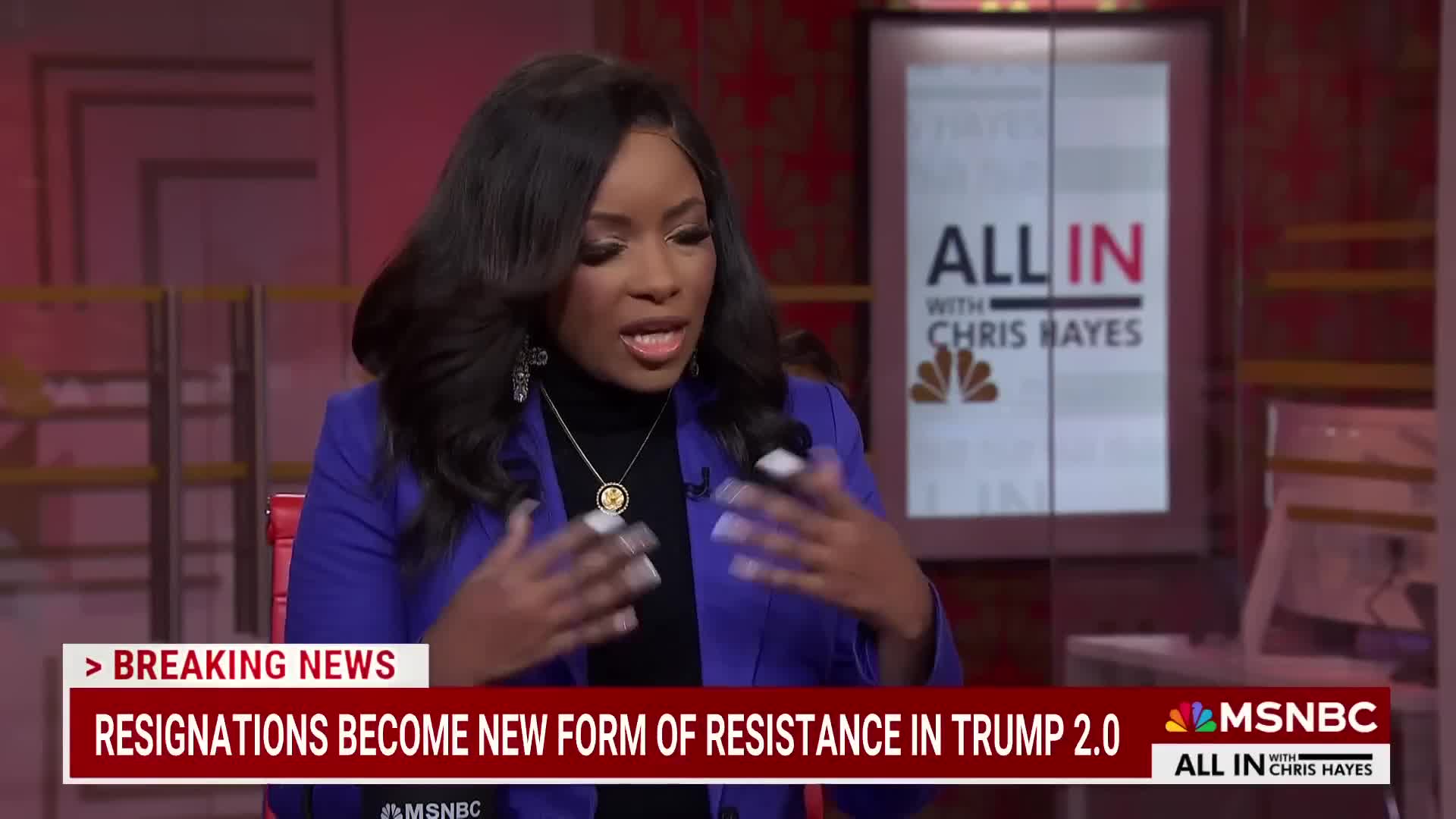
MSNBC
00:05 - 03:56
Who started the war in Ukraine, contrary to President Trump's claims?
Contrary to President Trump's false assertion that Zelensky 'started it,' the war in Ukraine was definitively initiated by President Putin's Russia. This isn't a matter of opinion but established fact, as noted in the clip when the speaker states, 'President Putin's Russia invaded Ukraine full stop.' This false narrative from Trump contradicts the position of Republican senators, including Marco Rubio, and other political figures who recognize Russia's responsibility. The clip emphasizes the importance of acknowledging this reality when engaging in peace talks and diplomatic efforts regarding the ongoing conflict.
Watch clip answer (00:40m)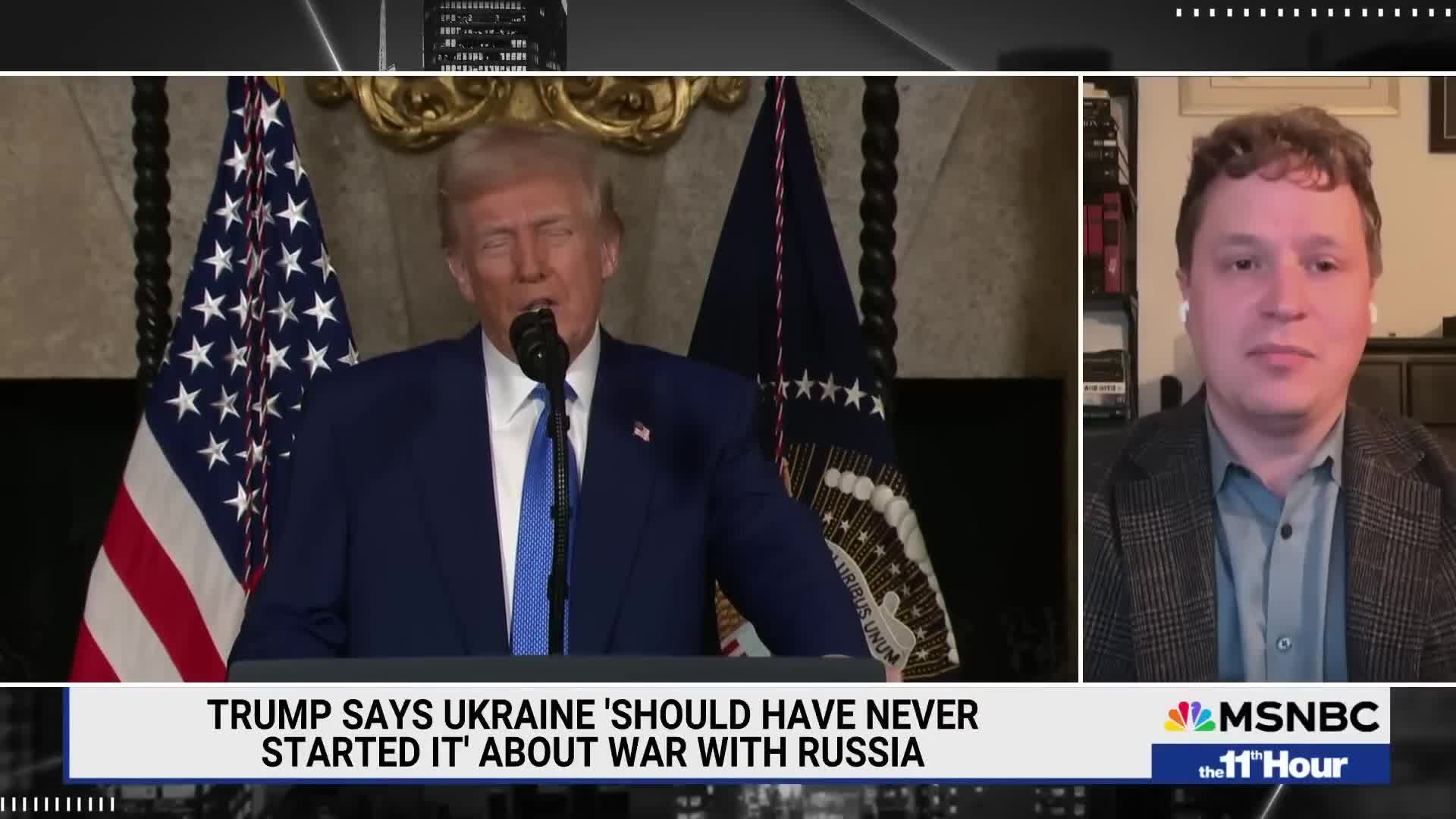
MSNBC
01:36 - 02:17
How did President Zelensky respond to Donald Trump's claims about Ukraine being responsible for the war with Russia?
President Zelensky delivered an unprecedented response to Trump's allegations, stating that the former US president was living in a 'disinformation space' created by Russia. While expressing respect for Trump as a leader of the American people, Zelensky firmly rejected Trump's assertion that Ukraine could have prevented or should have ended the war. Trump had claimed he had the power to end the conflict and criticized Ukraine for not making a deal, suggesting Ukraine started the war. Zelensky's response highlighted the concerning impact of Russian disinformation on international perceptions of the conflict.
Watch clip answer (00:45m)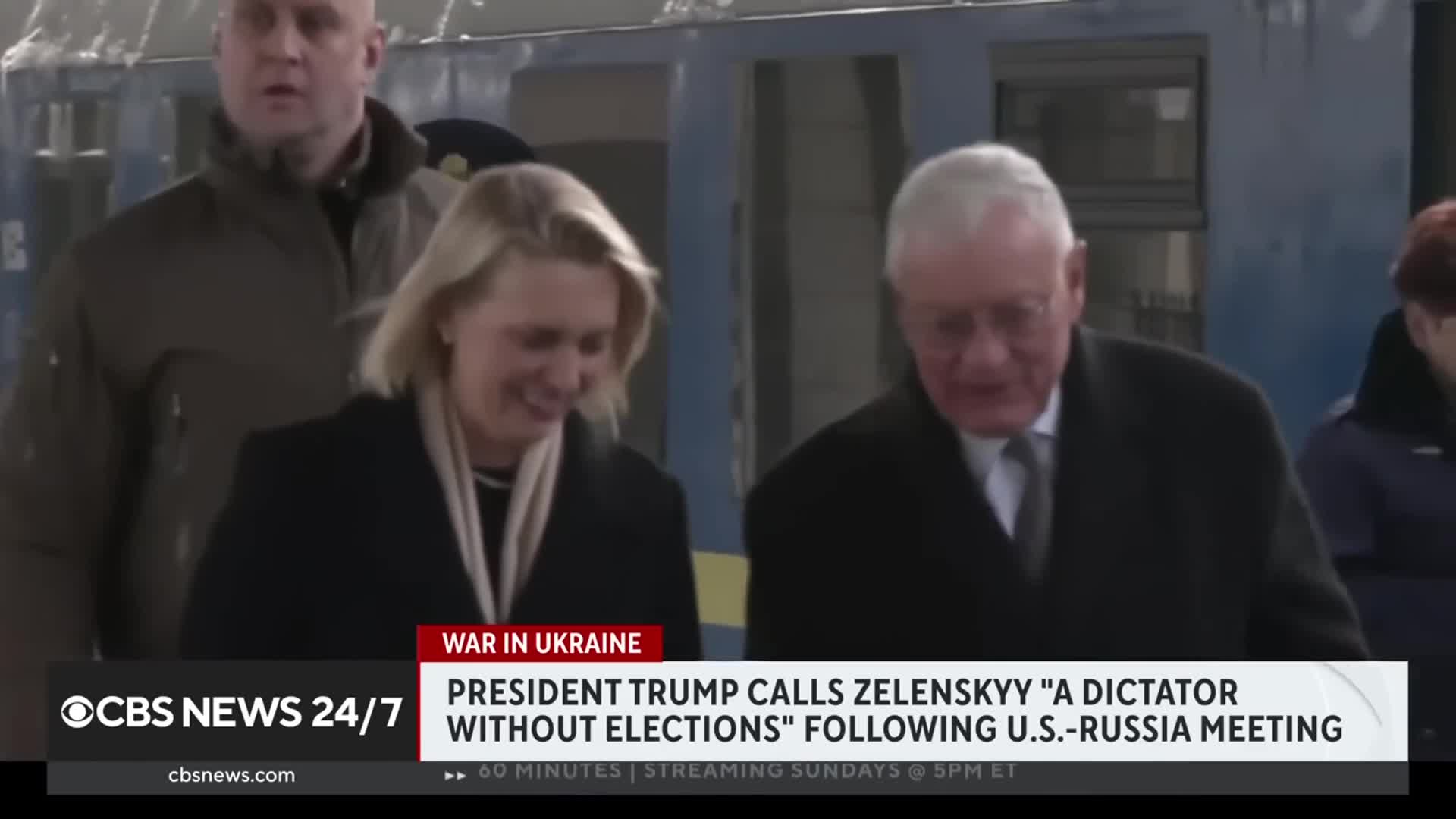
CBS News
00:27 - 01:12
Why does President Trump refer to Ukrainian President Zelensky as a 'dictator'?
President Trump called Zelensky a 'dictator without elections' because Ukraine has been under martial law and has not held elections since Russia invaded in 2022. This martial law status, implemented as an emergency measure during the ongoing conflict, has postponed regular democratic processes in Ukraine. Trump's comments appeared to align with Russian President Vladimir Putin's narrative, suggesting Ukraine was partially to blame for the Russian invasion. Trump further claimed that if Zelensky 'didn't move fast,' he 'wouldn't have a country left,' implying criticism of Ukraine's handling of the conflict. These statements reflect a controversial perspective on Ukraine's wartime governance.
Watch clip answer (00:27m)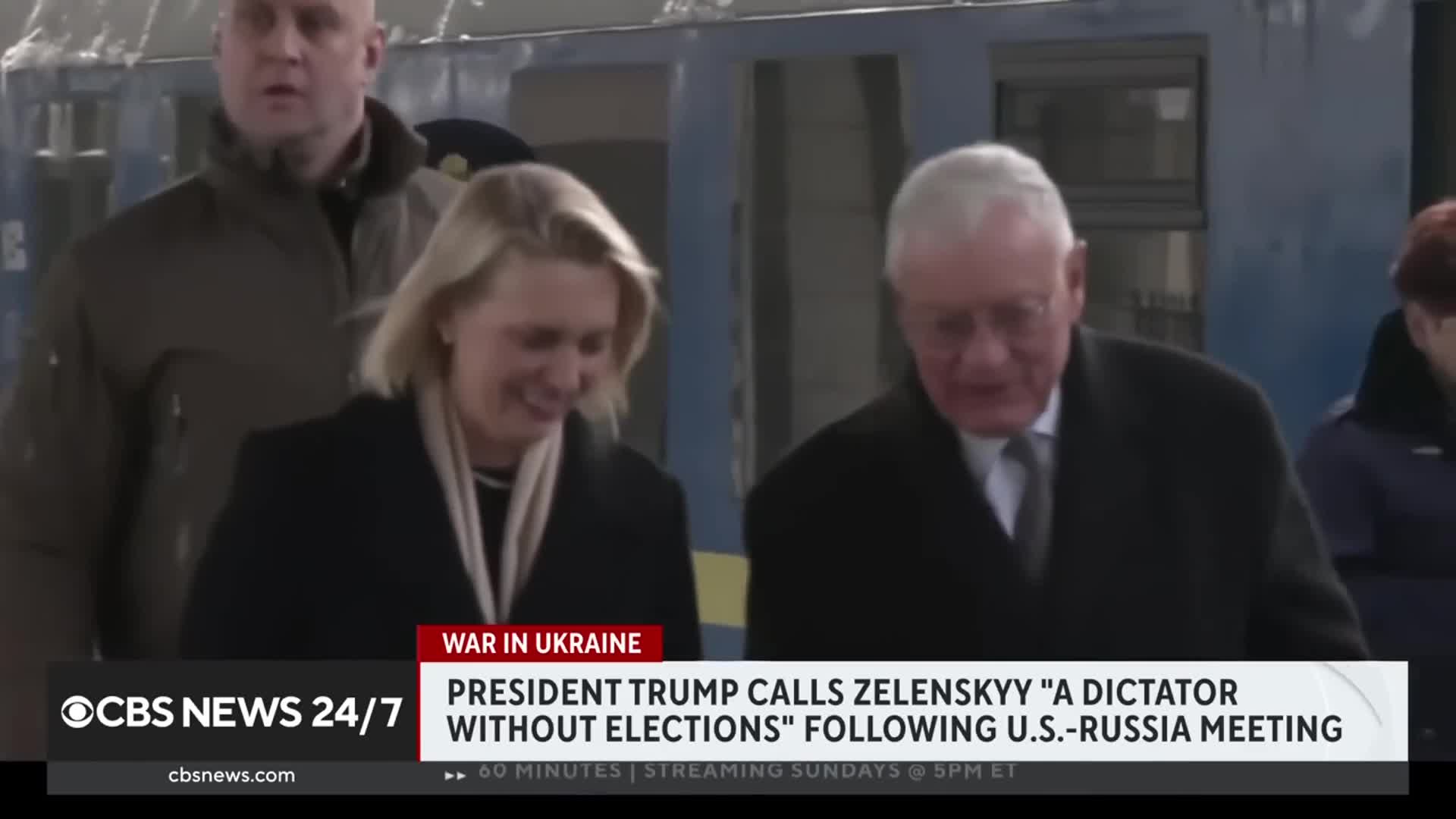
CBS News
00:00 - 00:27
How did President Zelensky respond to Donald Trump's criticisms?
President Zelensky delivered an unprecedented response to Donald Trump, accusing him of living in a 'bubble' of disinformation regarding Ukraine. Despite expressing respect for Trump as a leader of the American people who has supported Ukraine, Zelensky directly challenged Trump's understanding of the situation. Zelensky emphasized that Trump unfortunately exists within a disinformation space, suggesting that the former president's criticisms of Ukraine are based on propaganda rather than facts. This response highlights the tension between Ukraine's leadership and certain U.S. political figures amid the ongoing conflict with Russia.
Watch clip answer (00:18m)CBS News
00:54 - 01:12