
Legal Integrity
Are we facing a crisis in the Department of Justice that reaches Nixonian levels or worse?
Based on the clip, the DOJ appears to be experiencing a significant crisis of integrity with alarming parallels to the Nixon era. Career prosecutors like Brendan Ballard are resigning in protest, particularly over blanket pardons related to the January 6th cases. Ballard, who personally worked on these cases, felt strongly enough about the situation to publicly document his concerns in the New York Times. These resignations signal deep concerns about political interference in the justice system and the erosion of rule of law standards. The pattern suggests a troubling breakdown of institutional norms that potentially exceeds even the Watergate-era challenges to DOJ independence.
Watch clip answer (00:17m)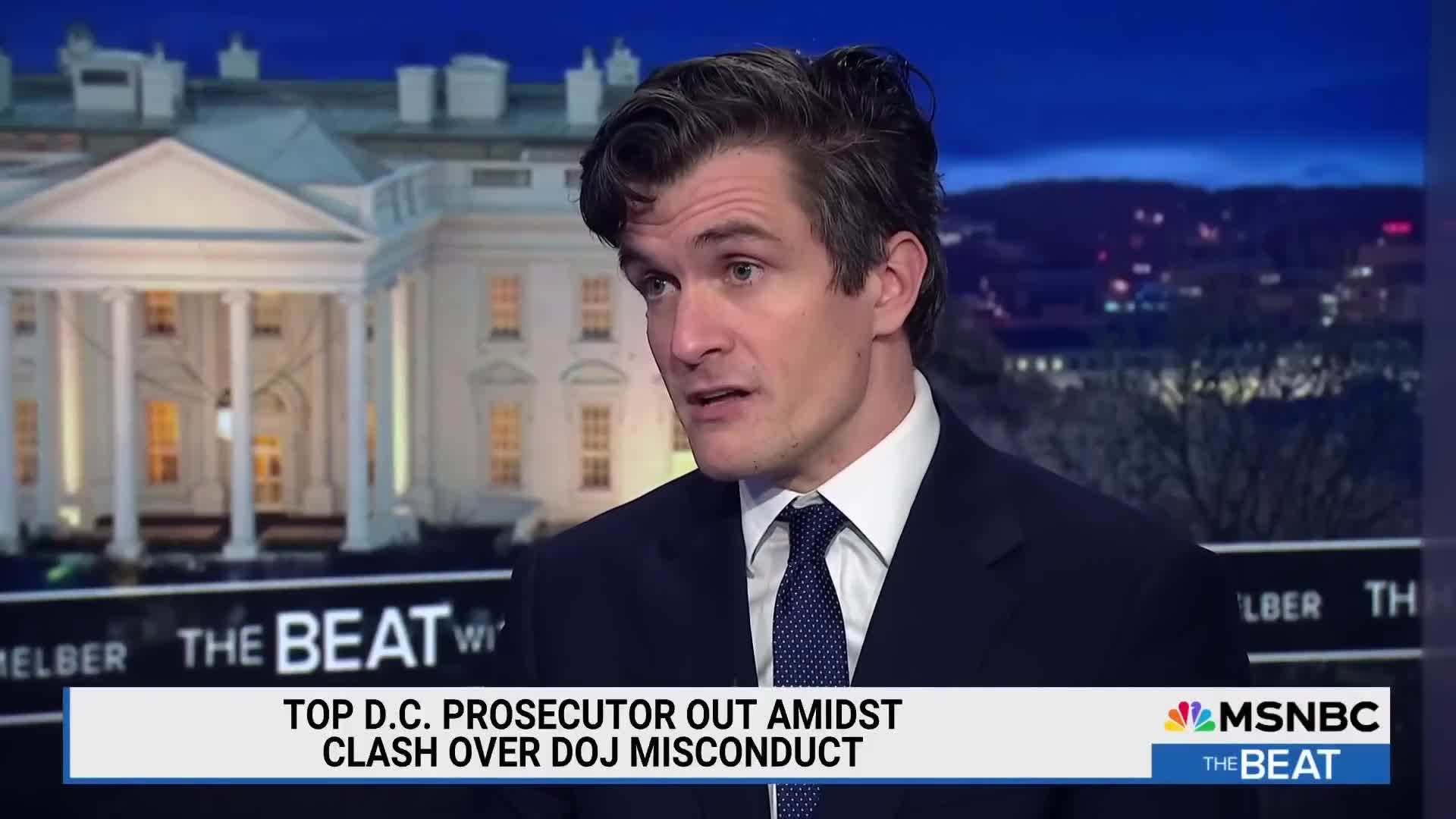
MSNBC
05:28 - 05:46
What is the main concern regarding the Department of Justice discussed in this segment?
The main concern is potential prosecutorial misconduct within the DOJ, which presents a fundamental challenge to the rule of law. As highlighted by former federal prosecutor Brendan Ballou, this issue threatens the core principles of justice in our democratic system. The discussion examines how such misconduct affects public trust and raises questions about where the checks and balances exist when prosecutors act improperly. This situation has reportedly led to resignations among career prosecutors who face political pressures during high-profile investigations, further undermining the integrity of the justice system.
Watch clip answer (00:12m)MSNBC
06:48 - 07:00
What prompted the resignations of federal prosecutors during the Trump administration?
Federal prosecutors resigned due to unusual political pressures that appeared to compromise legal ethics. In New York, prosecutors quit over what was described as a quid pro quo arrangement between the Democratic mayor and Trump officials regarding immigration policies. This pattern reflects a broader concern where political considerations were seemingly prioritized over legal standards. Career prosecutors found themselves facing directives that conflicted with constitutional principles, leading them to resign rather than participate in what they viewed as inappropriate political bargaining that undermined the independence of the Department of Justice.
Watch clip answer (01:19m)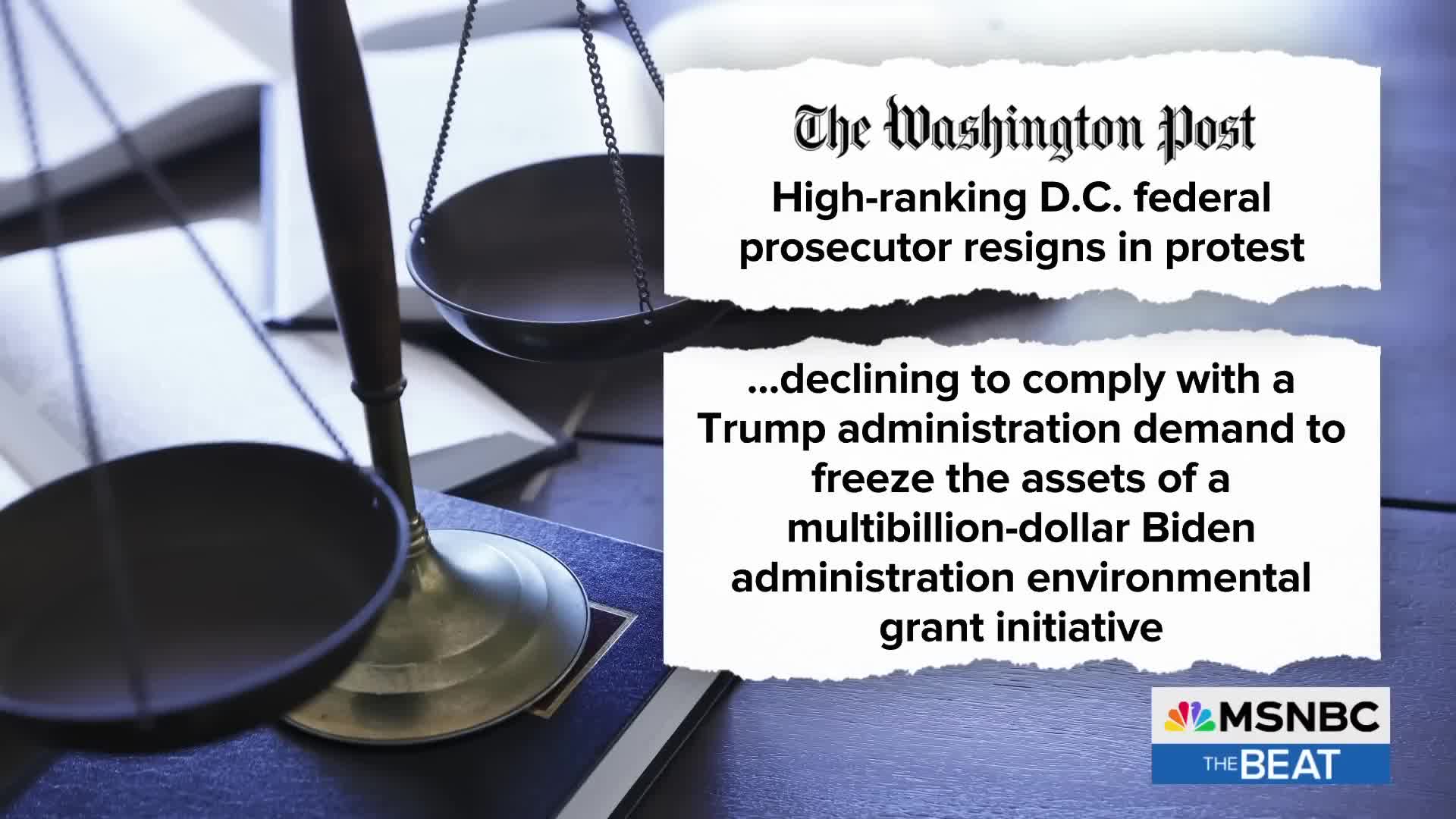
MSNBC
02:17 - 03:36
How are social media companies fighting against online protections for children despite promising not to?
Social media companies have found a loophole by paying lobbyists to file lawsuits on their behalf. This is evident in Maryland where NetChoice, a lobbying group representing Meta, X, Snap, and Google, filed a suit against the state's Kids Code that limits data collection on minors and requires prioritizing children's well-being over commercial interests. What makes this particularly significant is that it comes just months after Meta explicitly promised not to fight such policies in court. By working through lobbying groups, companies can oppose child safety regulations while maintaining plausible deniability, effectively circumventing their public commitments to safeguard children on their platforms.
Watch clip answer (01:31m)
Philip DeFranco
23:01 - 24:33
What is causing the wave of resignations among federal prosecutors?
The clip reveals that career prosecutors who have served for multiple decades under administrations of both political parties are resigning in protest. These seasoned professionals are leaving because they feel they've been 'pushed too far' by political pressures that appear to be compromising judicial integrity. The most recent example highlighted is a D.C. federal prosecutor who led the criminal division and resigned as part of this growing wave of departures. These resignations represent a significant protest against what these legal professionals perceive as inappropriate political influence on the Department of Justice's operations.
Watch clip answer (00:17m)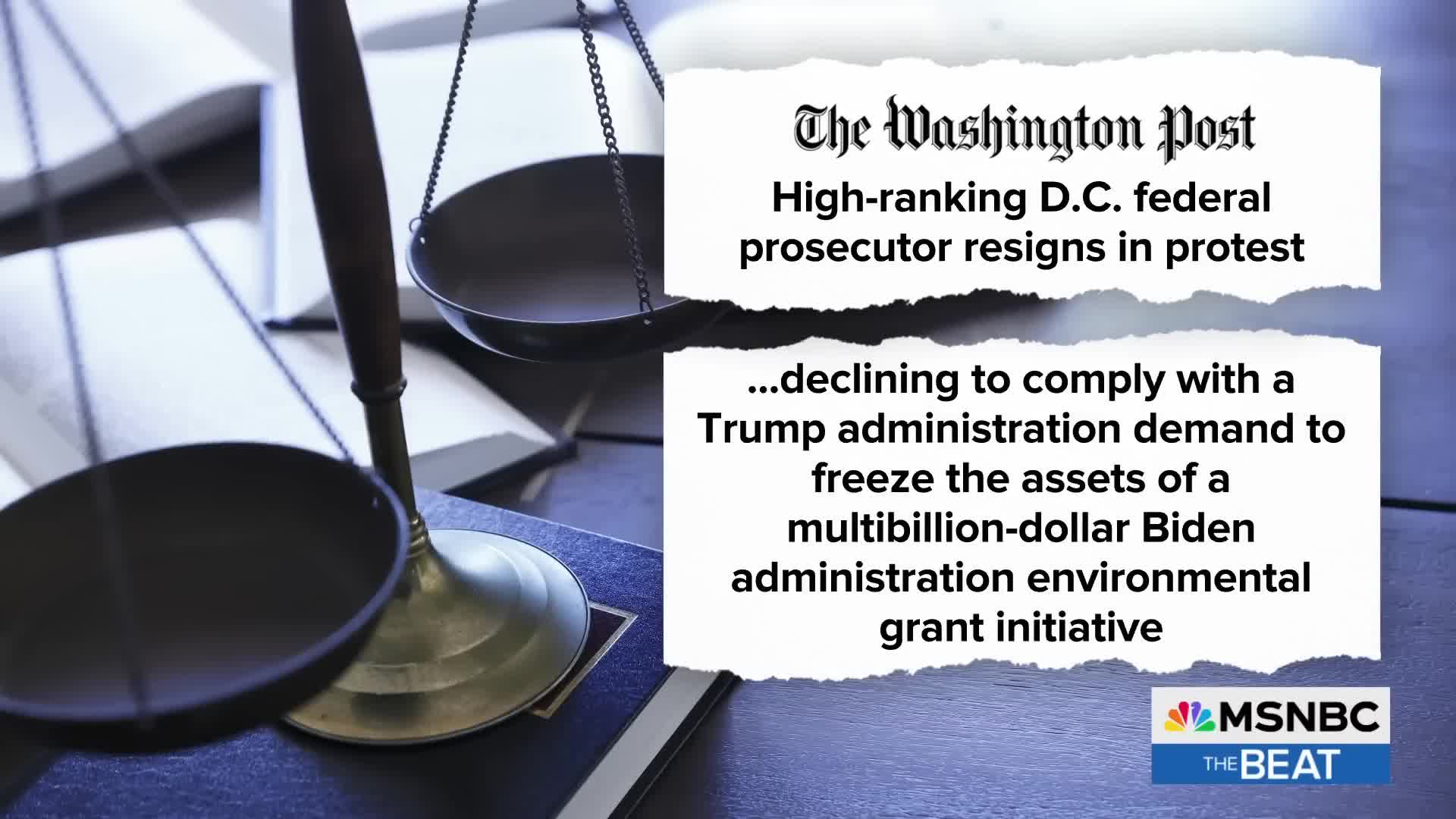
MSNBC
00:44 - 01:02
What does it signify when a 24-year veteran of the Department of Justice resigns over political pressure to pursue cases without evidence?
The resignation of a longtime DOJ veteran suggests a serious conflict between political appointees' directives and professional legal judgment. When an experienced prosecutor who tried to comply with management's direction ultimately resigns, it indicates the case lacked substantive evidence and was instead politically motivated. Such resignations represent career professionals drawing a line when asked to pursue investigations that compromise their legal integrity and credibility. This tension highlights the critical distinction between legitimate law enforcement and politically-driven prosecutions that undermine the justice system's fundamental principles.
Watch clip answer (00:50m)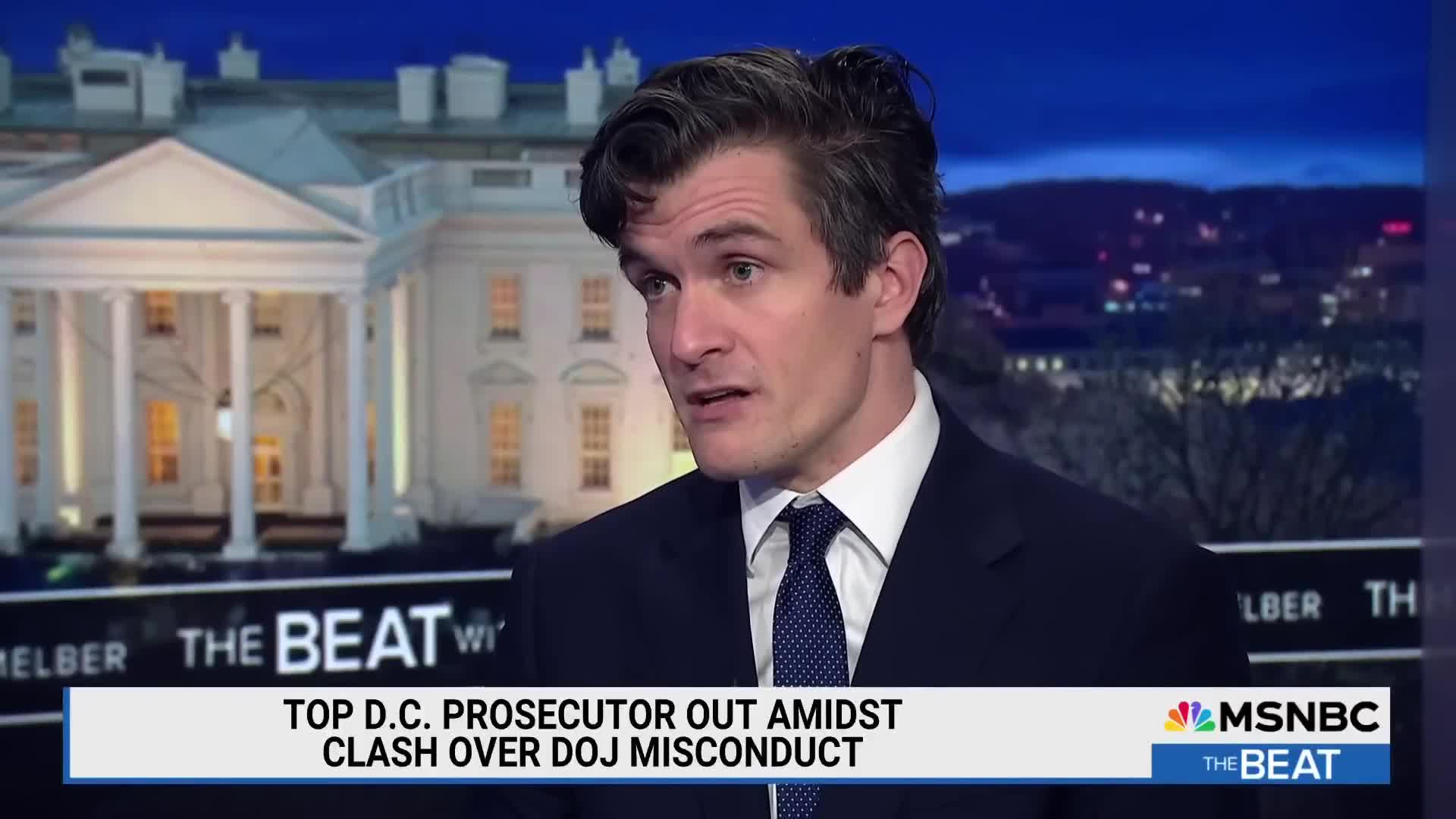
MSNBC
05:33 - 06:24