
Putin's Diplomatic Deception
What are Putin's aims in the recent talks with U.S. officials?
The Kremlin is seeking to extract concessions from the Biden administration while improving Russia's international standing. Putin aims to demonstrate to the Russian public that Western efforts to isolate Russia are failing. The talks provide Russia an opportunity to be heard at a high level, with Putin particularly pleased that the U.S. is engaging directly without Ukraine at the table. According to Kremlin spokesman Dmitry Peskov, Russia believes America is now 'listening better' to their position, which Putin will likely present as a diplomatic victory domestically.
Watch clip answer (02:42m)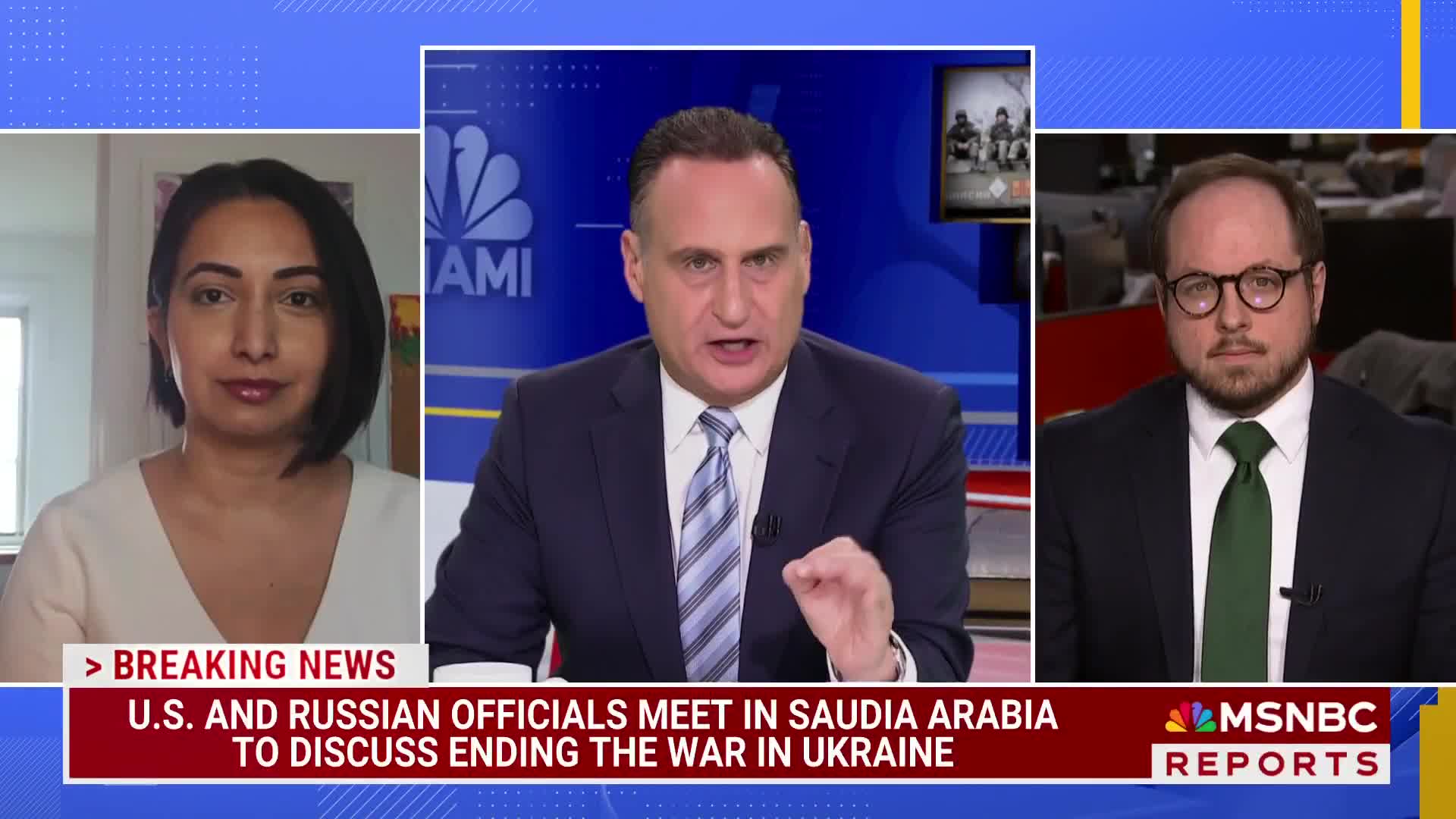
MSNBC
05:55 - 08:37
What are the concerns about potential diplomatic negotiations between the US and Russia regarding Ukraine?
For nearly three years, Russia has been isolated by Western sanctions following Putin's invasion of Ukraine. Now, with diplomatic talks occurring between US and Russian officials, many in Europe fear that Putin may secure a deal with President Trump that effectively rewards Russia with Ukrainian territory without providing Ukraine adequate security guarantees. This scenario is particularly concerning as it could leave Ukraine vulnerable to future Russian aggression. Critics worry such an arrangement might allow Putin to reinvade Ukraine later, while simultaneously giving Russia diplomatic recognition and relief from international isolation. Ukrainian leadership has emphasized that any agreements about their country should not be made without their direct involvement in negotiations.
Watch clip answer (00:35m)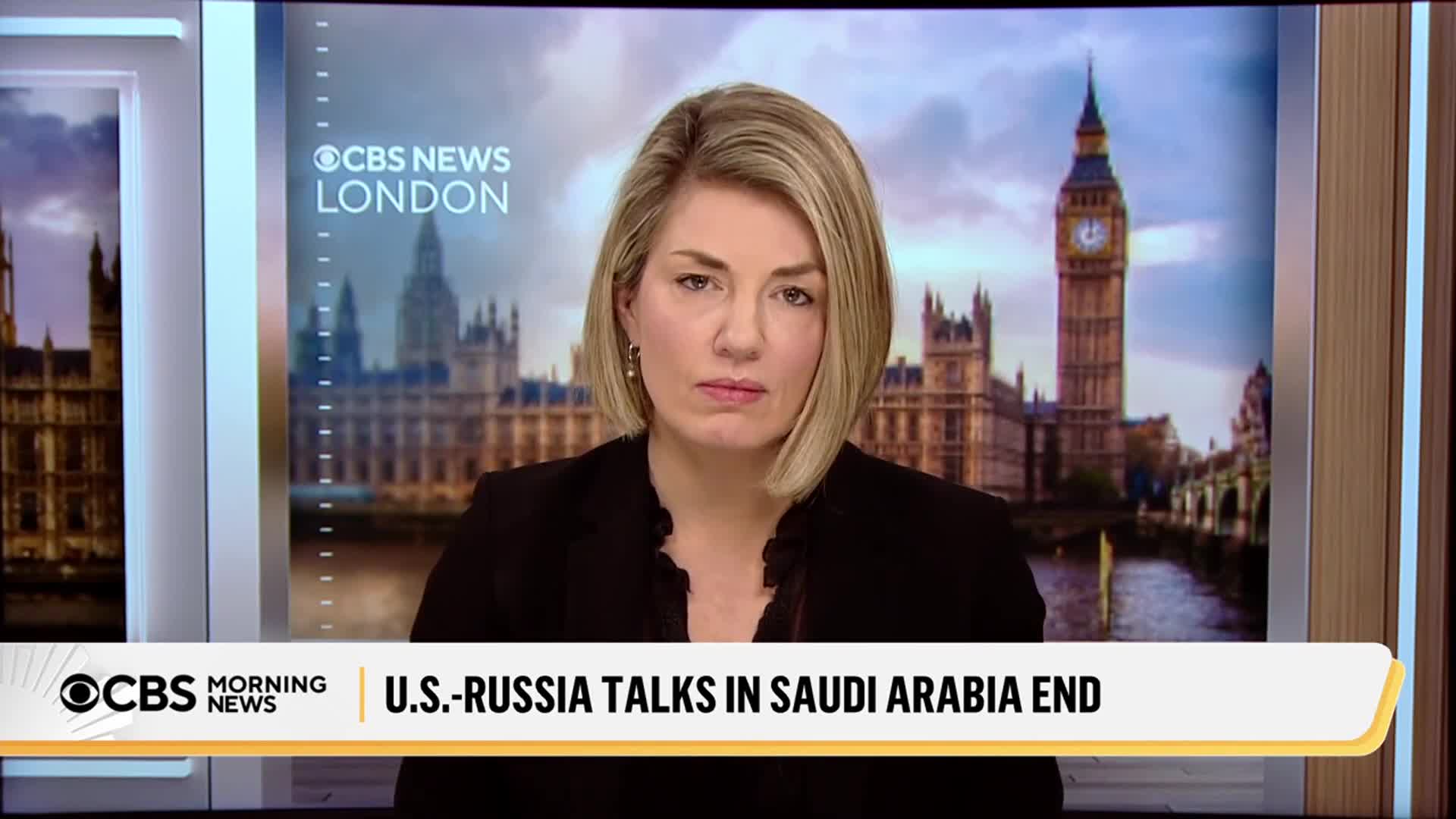
CBS News
01:58 - 02:33
What are the latest developments in the Ukraine conflict, particularly regarding the Chernobyl drone strike and U.S. diplomatic efforts?
Ukraine reports that a Russian drone strike caused significant damage to the protective shelter at Chernobyl nuclear site, though radiation levels remain stable. Ukrainian officials view this attack as evidence that Putin isn't genuinely interested in negotiations but rather in deceiving the international community. Russia's spokesperson Dmitry Peskov has denied responsibility, claiming the incident was staged by Ukraine. Meanwhile, diplomatic efforts are intensifying with an unscheduled meeting between Vice President Vance and President Zelensky. The U.S. position reportedly includes expectations that Ukraine must cede territory to end the conflict, a stance that has frustrated NATO allies. Critics, including Estonia's former president, argue that such concessions effectively hand Ukraine to Russia before negotiations even begin.
Watch clip answer (01:48m)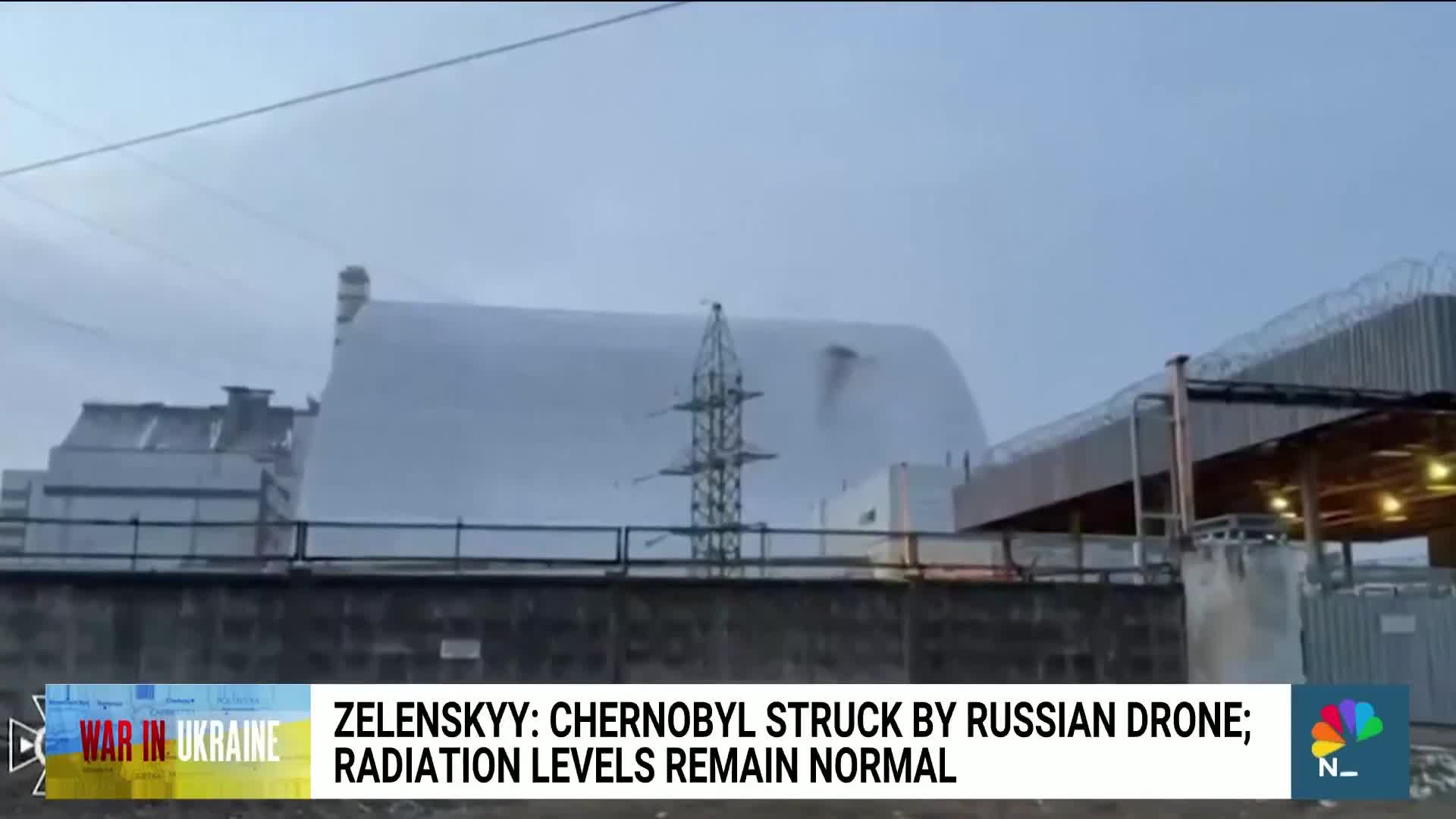
NBC News
09:37 - 11:25
What are the potential consequences if Putin fails to engage in sincere peace negotiations regarding Ukraine?
US Vice President JD Vance has outlined serious consequences should President Putin refuse to negotiate a Ukraine peace deal in good faith. Washington is prepared to escalate its response through two primary measures: imposing significantly tougher economic sanctions on Moscow and potentially deploying US troops to Ukraine. This ultimatum represents a substantial escalation in US foreign policy toward the Russia-Ukraine conflict. The threat of direct military involvement marks a potential shift from the current strategy of providing weapons and financial support to Ukraine toward more direct American engagement. Additionally, Vance emphasized the importance of European participation in any Ukraine peace talks, highlighting the need for a coordinated Western approach to resolving the conflict and ensuring regional stability.
Watch clip answer (00:15m)
WION
00:42 - 00:57
What are the major concerns with Trump's negotiation approach toward Russia and Ukraine, and why are European and Ukrainian leaders shocked by his tactics?
European leaders and Ukrainian officials are in shock over Trump's negotiation strategy because he gave Putin significant concessions before negotiations even began. According to former Ambassador McFaul, Trump publicly stated that Ukraine cannot join NATO, must give up territory, and that American troops won't participate in peacekeeping - essentially offering everything Russia wanted upfront. This approach is strategically flawed because, as McFaul explains from his experience negotiating with Russians, when you give them something, "they're going to put it in their pocket and ask for more." The strategy is being compared to Neville Chamberlain's appeasement policy, suggesting it could encourage further Russian aggression. The concern extends beyond tactics to moral implications, as this approach abandons Ukrainian allies who are fighting for their sovereignty while potentially emboldening Putin's territorial ambitions.
Watch clip answer (01:23m)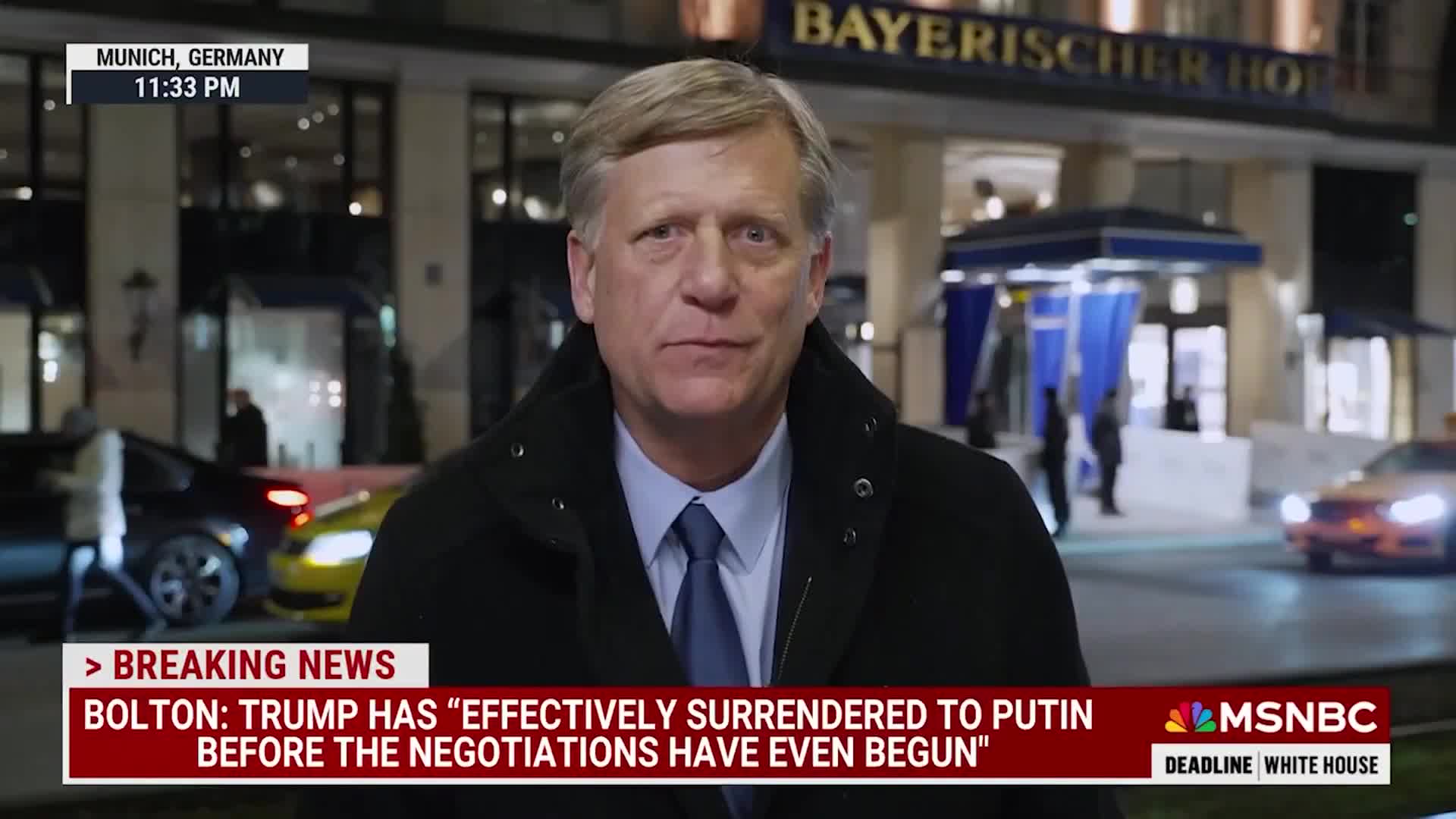
MSNBC
34:10 - 35:33
What are the implications of Trump's public concessions to Putin regarding Ukraine, and how have European allies and experts reacted to this diplomatic approach?
Trump's public concessions to Putin before negotiations even began have shocked European allies and Ukrainian leaders. Ambassador McFaul, speaking from Munich, emphasizes that giving Putin three major concessions upfront—denying Ukraine NATO membership, territorial concessions, and excluding American peacekeeping troops—represents fundamentally flawed negotiating strategy with Russia. The approach undermines core diplomatic principles by excluding Ukraine from negotiations about its own future and failing to include European partners who would play crucial implementation roles. Former officials warn this reflects Trump's broader pattern of sympathy toward authoritarian regimes while viewing democracies as problematic. The strategy risks American national security interests and abandons democratic allies. Experts stress that any viable agreement must involve Ukraine directly in negotiations, not simply impose terms decided between Trump and Putin, as Ukrainians will reject any deal negotiated without their participation.
Watch clip answer (05:43m)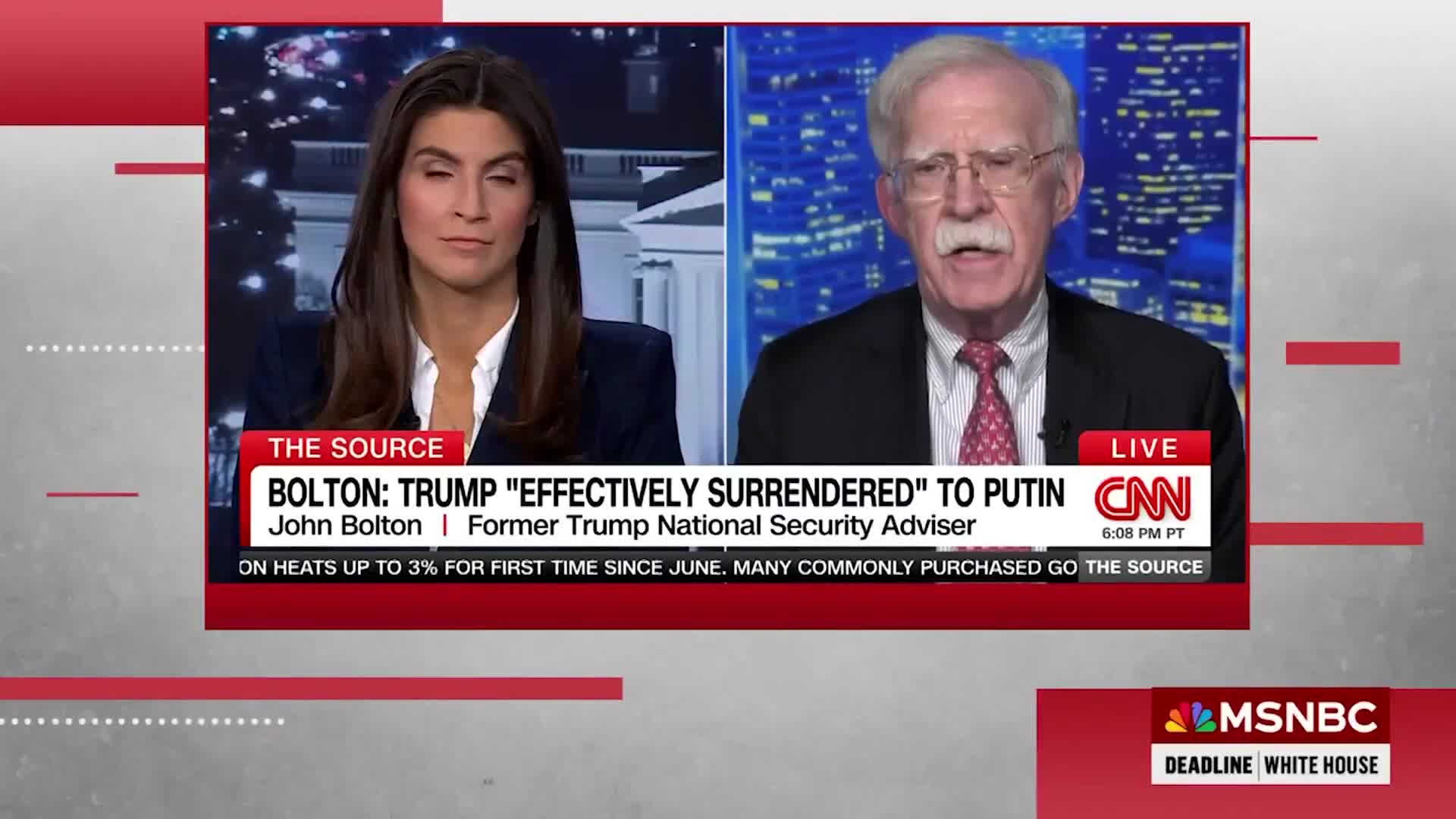
MSNBC
31:15 - 36:58