
Healthcare Policy
How can Americans take control and create change in the current healthcare system that prioritizes corporate profits over patient wellbeing?
Americans can drive healthcare reform by exercising economic power through conscious spending decisions - choosing where to spend money on food, insurance, and healthcare services. Rather than relying on insurance companies that prioritize profits over patient care, individuals should take sovereignty and autonomy over their health decisions. This means being informed consumers, making independent healthcare choices, and not blindly trusting that insurance companies will act in patients' best interests. Collective economic action through mindful spending can force systemic change in the healthcare industry.
Watch clip answer (00:33m)
VICE News
01:45:52 - 01:46:25
What broader healthcare system issues are being discussed in relation to the murder of United Healthcare CEO Brian Thompson?
The podcast explores how the murder of United Healthcare CEO Brian Thompson has become a catalyst for examining systemic problems in America's healthcare system. The hosts discuss widespread public frustration with health insurance practices, the opioid crisis, and corrupt ties between pharmaceutical companies and regulatory bodies. They argue that social media's reaction to the murder reflects deep-seated anger with a healthcare system that prioritizes corporate profits over patient welfare, highlighting the urgent need for transparency and reform in an industry that appears to profit from human suffering.
Watch clip answer (00:14m)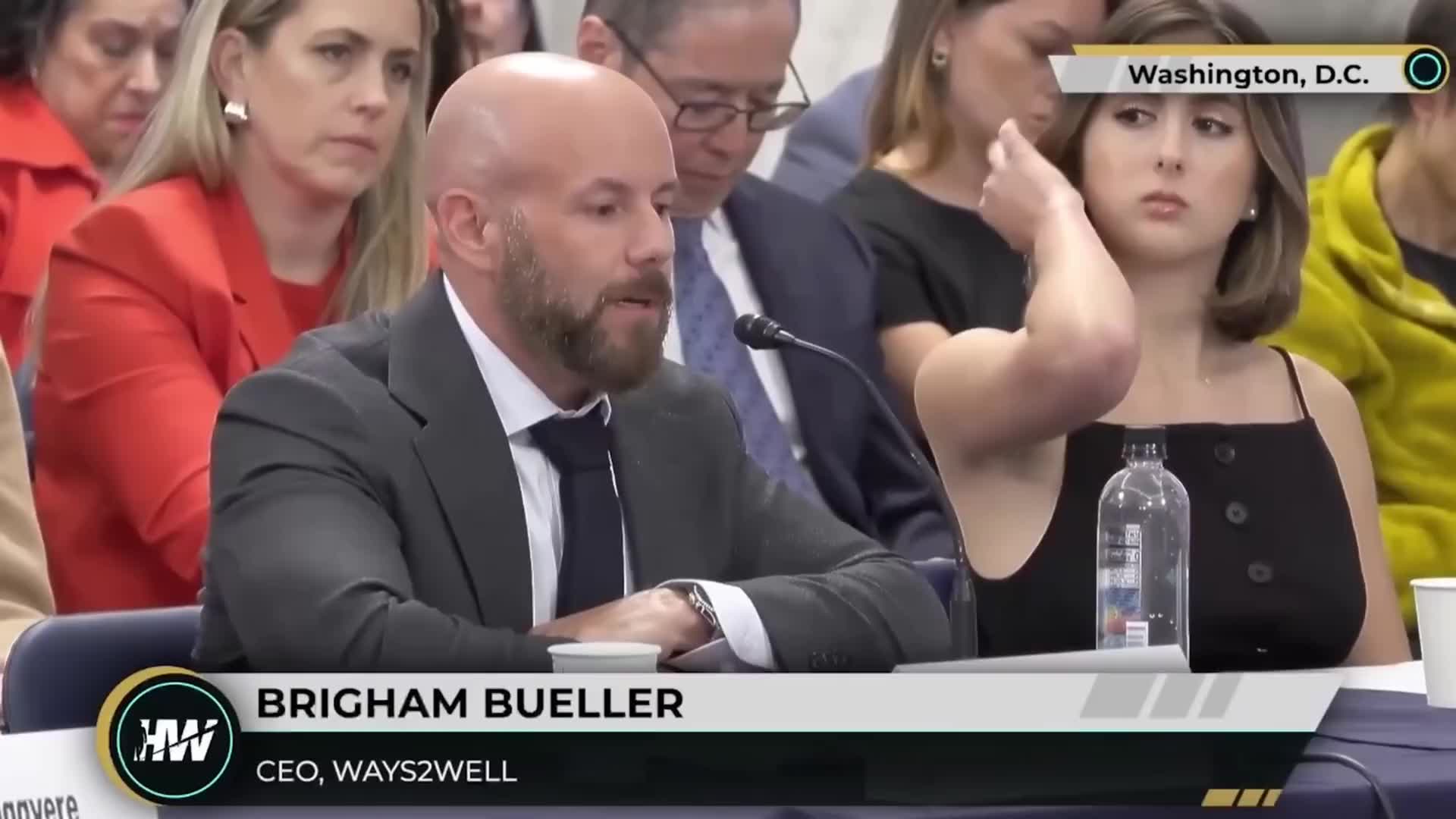
VICE News
00:00 - 00:15
What is the fundamental problem with America's healthcare system according to healthcare insiders?
According to the discussion, America's healthcare system isn't broken by accident—it's deliberately rigged to benefit insurance companies at patients' expense. The system is designed with built-in mechanisms that allow insurers to manipulate costs, deny coverage, and prioritize profits over patient care, resulting in widespread medical bankruptcy and public frustration. This rigged structure contributes to systemic issues like the chronic disease crisis and opioid epidemic, while preventing the shift toward proactive and preventative care that could actually improve health outcomes and reduce costs.
Watch clip answer (00:18m)VICE News
00:53 - 01:11
What is the difference between healthcare and "sick care" in America's current medical system, and how does this relate to the chronic disease crisis?
The current American medical system operates more as "sick care" rather than true healthcare, focusing on treating diseases after they develop rather than preventing them. This profit-driven model, dominated by insurance companies and pharmaceutical corporations, creates financial incentives to keep people sick rather than healthy. The chronic disease crisis has reached epidemic proportions because the system profits from managing long-term illnesses rather than addressing root causes or promoting wellness. This fundamental misalignment of incentives prioritizes corporate profits over patient welfare, creating a cycle where Americans suffer from increasing rates of preventable chronic diseases while the industry benefits financially from their ongoing treatment rather than their recovery.
Watch clip answer (00:20m)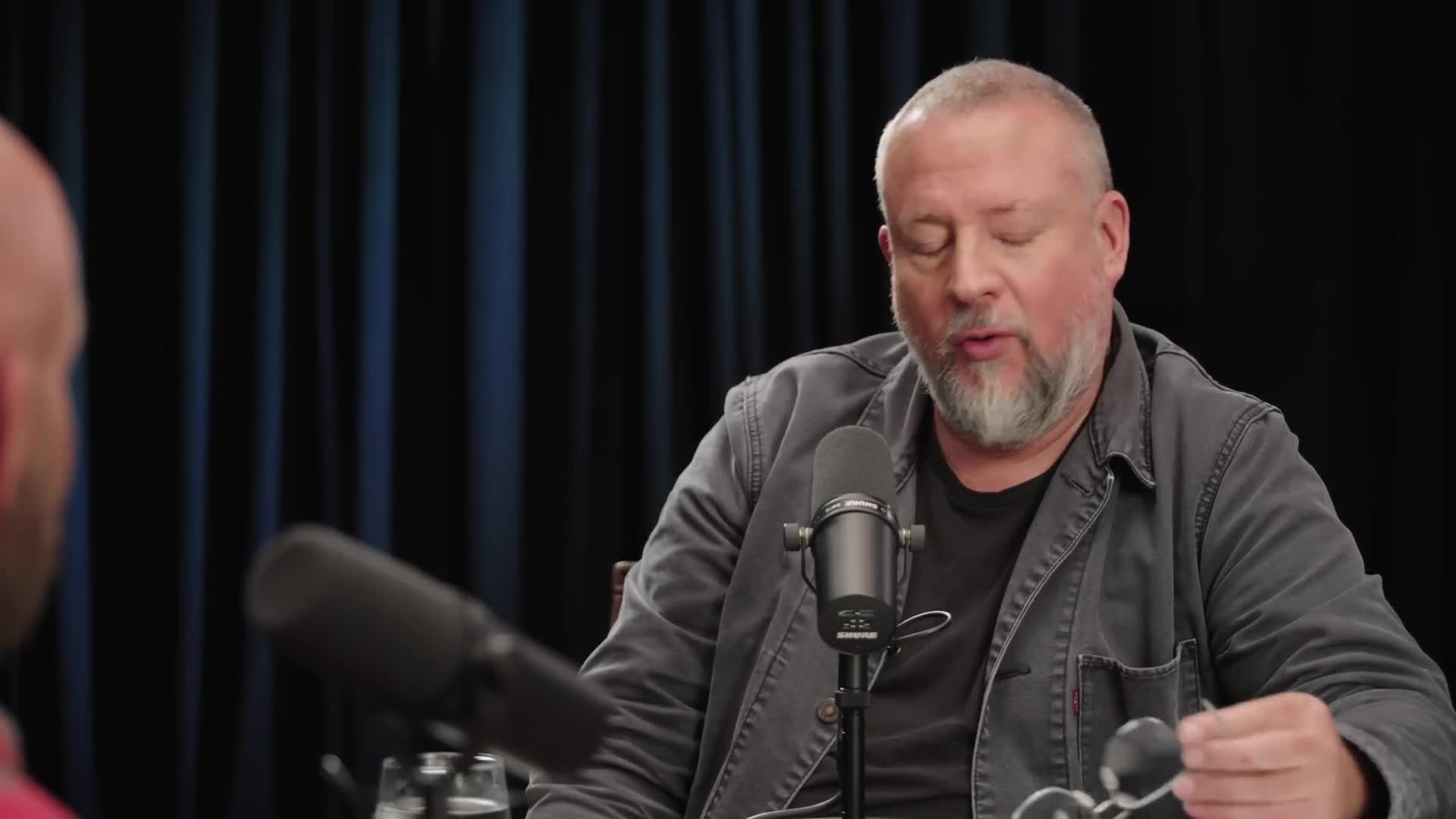
VICE News
01:09:09 - 01:09:30
How did the opioid crisis develop through big pharma corruption and over-prescription practices?
The opioid crisis emerged through systematic corruption within the pharmaceutical industry, where companies prioritized profit over patient welfare. Healthcare expert Brigham Bueller explains that pharmaceutical companies deliberately incentivized the over-prescription of opioids, creating widespread addiction and devastating community impacts. This crisis represents a clear example of how corporate greed can corrupt healthcare systems, leading to one of the most significant public health disasters in recent history. The discussion emphasizes the urgent need for healthcare reform and corporate accountability to prevent similar tragedies.
Watch clip answer (00:23m)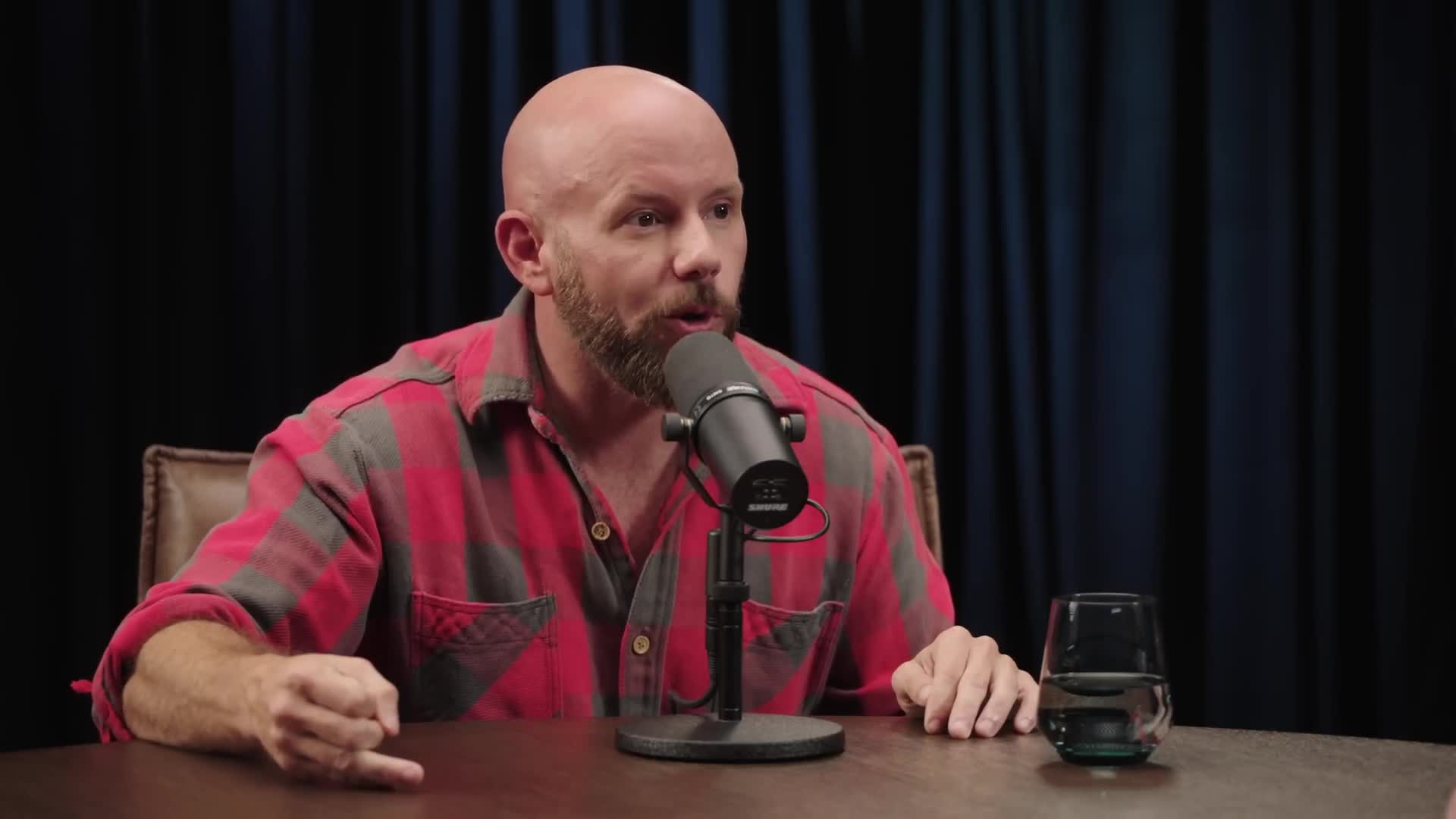
VICE News
01:20:22 - 01:20:46
How does the murder of United Healthcare CEO Brian Thompson reflect broader systemic problems within the American healthcare system?
The murder of Brian Thompson has exposed deep-rooted frustrations with America's healthcare system, particularly around insurance practices that prioritize profits over patient care. The public's reaction to this tragic event reveals widespread dissatisfaction with a system many perceive as "rigged," where patients face barriers to care while insurance companies and pharmaceutical giants maximize revenues. This incident has sparked conversations about chronic disease management, the opioid crisis, and how social media outrage demonstrates deteriorating trust in healthcare institutions, highlighting the urgent need for comprehensive healthcare reform.
Watch clip answer (00:23m)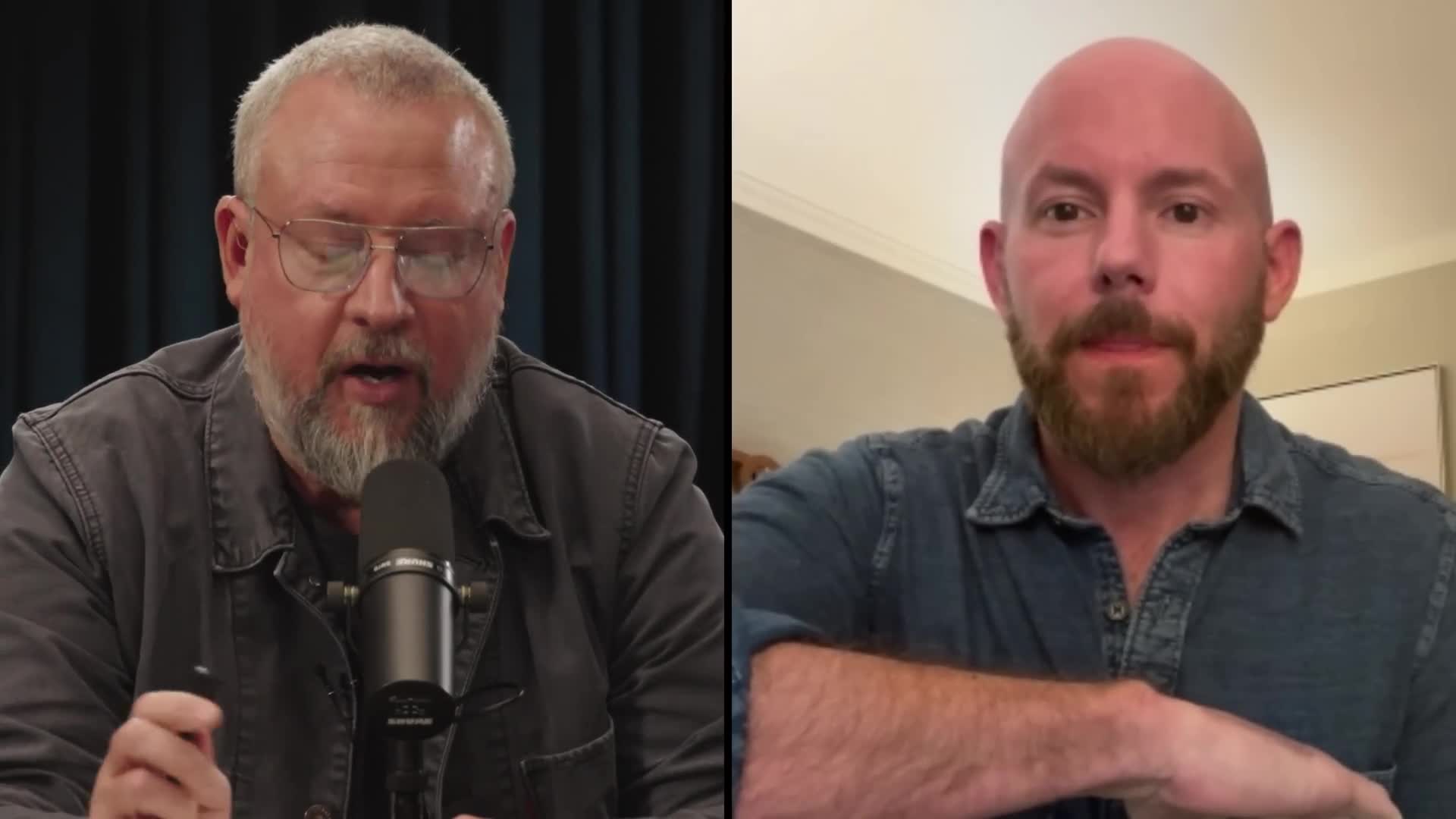
VICE News
03:35 - 03:59