
Environmental Sustainability
Environmental sustainability is the responsible management and utilization of natural resources aimed at meeting the needs of the present without compromising the ability of future generations to meet their own needs. This concept is integral as it ensures a stable and healthy environment through responsible practices that protect ecosystems, reduce carbon footprints, and promote the use of renewable energy sources such as solar and wind power. The urgency of environmental sustainability is underscored by the increasing challenges of climate change, water scarcity, and biodiversity loss, which demand coordinated efforts from individuals, businesses, and governments alike. Recent discussions highlight the role of sustainable practices across various sectors, including agriculture and the arts, where innovative solutions are being developed to address environmental concerns. For instance, sustainable agriculture techniques, such as crop rotation and water-smart farming, not only enhance food security but also minimize ecological disruption. In the corporate world, businesses are increasingly adopting environmental, social, and governance (ESG) frameworks to reduce their ecological impact while promoting transparency and accountability. As the United Nations emphasizes in its Sustainable Development Goals, fostering environmental sustainability is crucial for ensuring the health of our planet while supporting long-term human welfare and economic growth. By integrating sustainability into daily practices, societies can work towards a resilient future that balances economic advancement with the preservation of our natural environment.
What are the geographic advantages of Northern Italy that contribute to its economic prosperity?
Northern Italy, particularly the Po Valley, enjoys significant geographic advantages over Southern Italy. The region benefits from fertile plains fed by glacial runoff through numerous rivers from the Alps, making it ideal for large-scale intensive agriculture. The area also has better water resources, with Southern Italy facing substantially greater risk of water scarcity both historically and in future projections. These natural advantages enabled the development of major population centers like Turin, Milan, Venice, and Bologna throughout the Po Valley. Additionally, Northern Italy's strategic position facilitated trade through important natural harbors at Trieste and Genoa, which serve as critical crossroads connecting the Mediterranean to inland Europe, further enhancing the region's economic prosperity.
Watch clip answer (01:32m)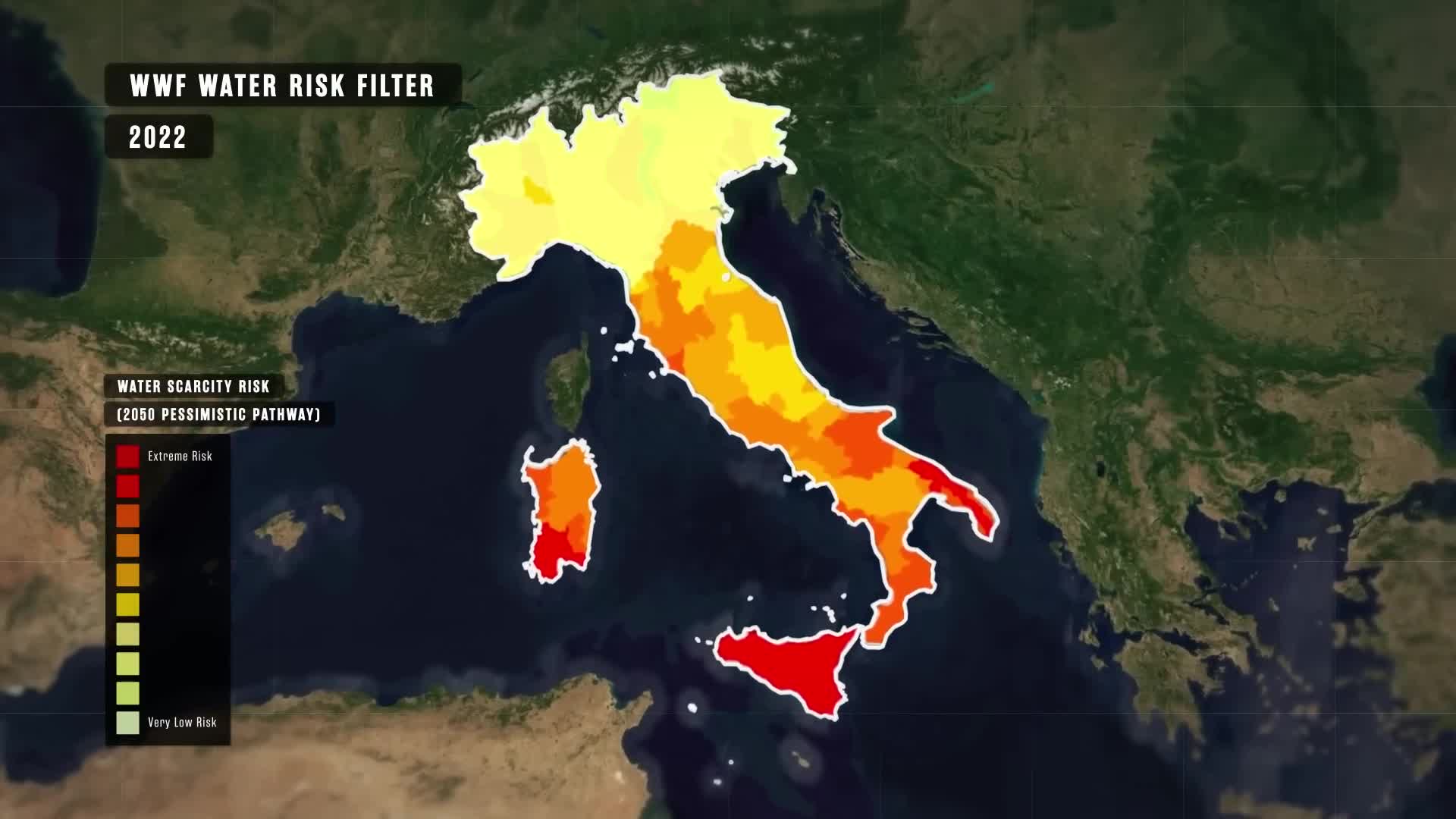
RealLifeLore
07:49 - 09:21
What critical minerals does Greenland contain and why are they important?
Greenland contains probable world-leading massive deposits of graphite and lithium, which are critical to electric vehicle production. Currently, these minerals are dominated by other countries, with China producing 77% of global graphite and Australia/Chile producing nearly 80% of the world's lithium. Beyond these, Greenland is believed to house numerous other valuable resources including neodymium (for magnets and electric motors), uranium (with one deposit potentially the sixth largest ever discovered), and base metals like cobalt, copper, iron, zinc, and nickel. The territory also contains significant oil and gas reserves, estimated at about 52 billion barrels - equivalent to 3% of global proven reserves.
Watch clip answer (01:52m)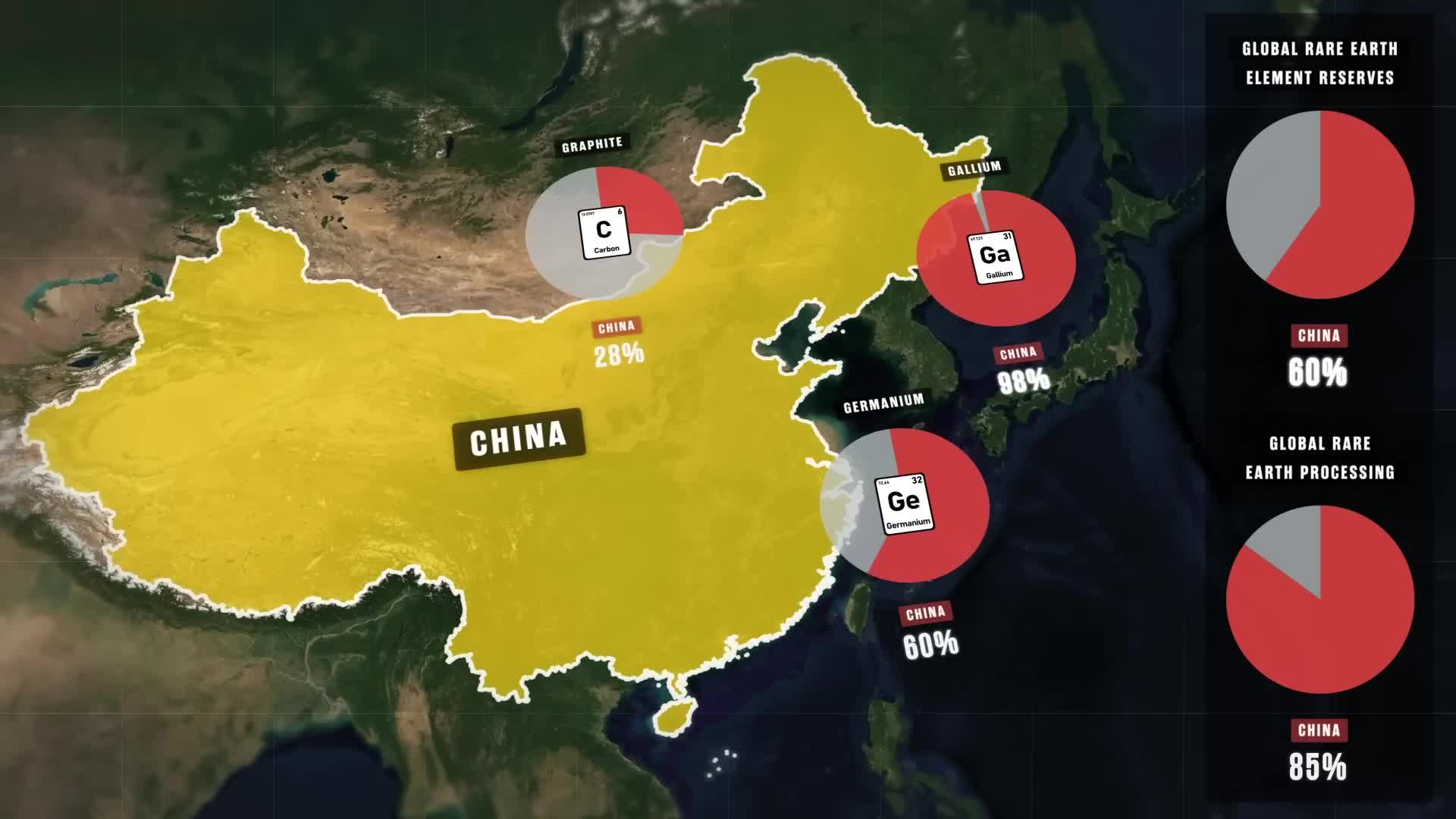
RealLifeLore
19:04 - 20:56
What are the benefits of adopting solar energy in India?
Solar energy adoption in India offers significant advantages through decentralized, clean power. The payback period has decreased from 9-10 years to just 3-5 years, with expectations to further reduce to 3 years in the near future. Government subsidies of about 78,000 rupees are now accessible within 30 days through direct benefit schemes. With net metering, households can produce surplus power during daylight hours while drawing from the grid at night, resulting in zero electricity bills. This system ensures consistent power regardless of weather conditions. Widespread adoption of solar energy could dramatically reduce India's dependence on oil imports, helping control inflation and fueling economic growth in the coming decade.
Watch clip answer (02:23m)
Think School
01:17:27 - 01:19:50
How is artificial intelligence being used to protect coral reefs?
Conservationists on Reunion Island are employing artificial intelligence to analyze underwater audio from coral reef environments. This innovative approach allows scientists to process extensive amounts of data quickly and efficiently, helping them understand the challenges facing coral reefs, which experts warn could experience a 90% decline within the next 25 years due to climate change. The technology represents a significant intersection between advanced computing and environmental conservation, demonstrating how modern tools can enhance efforts to preserve vital marine ecosystems for future generations.
Watch clip answer (00:12m)
CBS News
42:54 - 43:06
What makes bamboo crash barriers more sustainable than traditional steel barriers?
Bamboo crash barriers boast a recycling value of 50-70%, significantly higher than traditional steel barriers which only range from 30-50%. The bamboo species used undergoes specialized treatment for enhanced strength and durability, making it not only environmentally friendly but also cost-effective. By offering a greener alternative to steel, these bamboo barriers are setting new standards for road safety infrastructure. This innovative approach combines sustainability with practical functionality, demonstrating how natural materials can be effectively utilized in modern construction applications.
Watch clip answer (00:33m)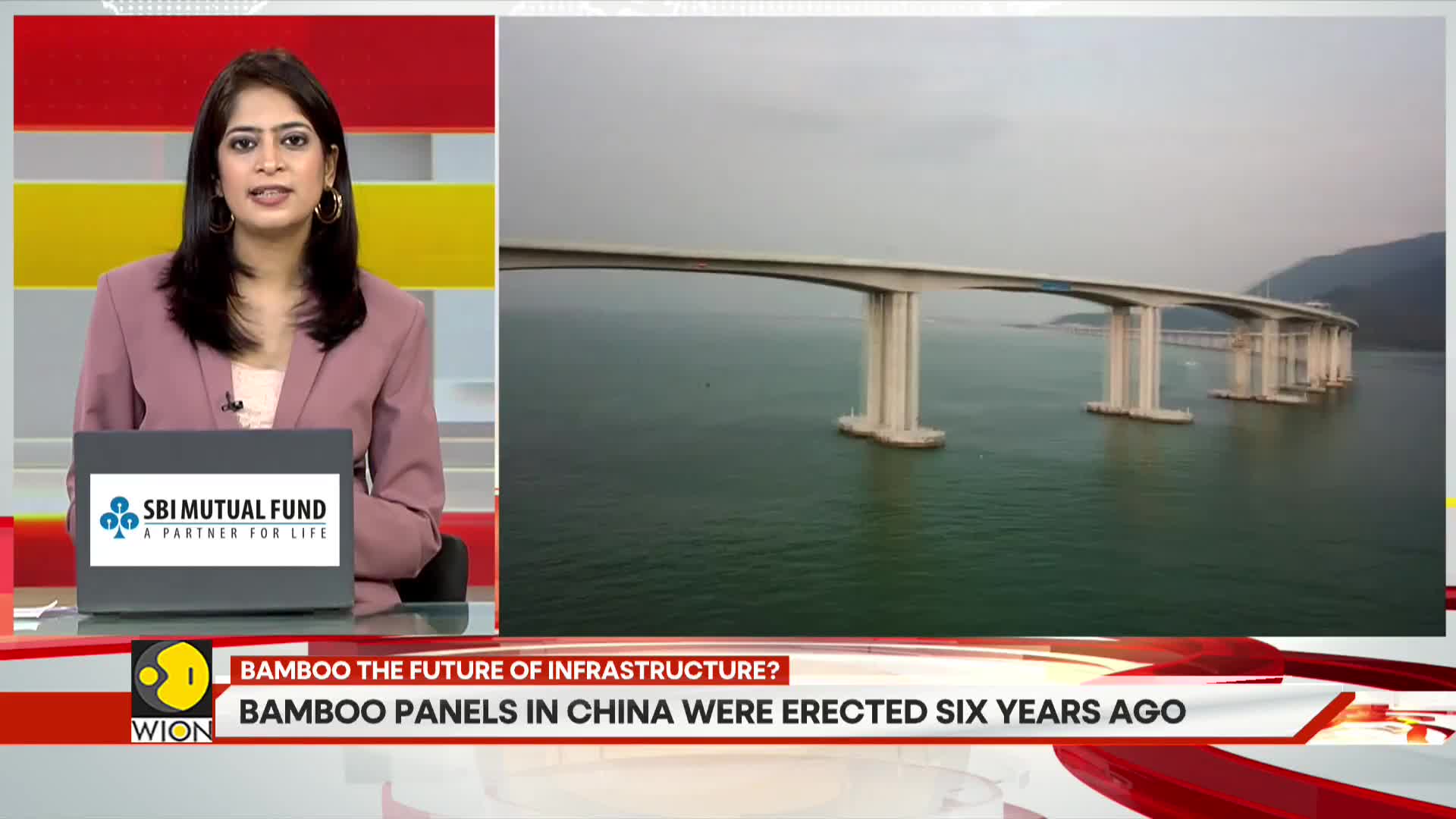
WION
01:49 - 02:22
How is bamboo contributing to building a more sustainable future?
Bamboo is emerging as a key natural resource in the global search for greener solutions. It is demonstrating that nature holds the answers to creating a stronger and more sustainable future for construction and development. The material has been successfully implemented in major projects like the Hong Kong Zhuai Macao bridge with bamboo composite panels and India's bamboo crash barriers, showcasing its exceptional durability and environmental benefits. With superior strength properties and recyclability, bamboo represents a transformative alternative to traditional materials in combating climate change and advancing sustainable urban development.
Watch clip answer (00:20m)WION
02:23 - 02:43