
Economic Growth
Economic growth is a critical metric that reflects the sustained increase in the production of goods and services within an economy. Typically measured by the rise in Gross Domestic Product (GDP) or GDP per capita, economic growth is integral to enhancing living standards and alleviating poverty. Recent evaluations indicate that global GDP growth is expected to stabilize in the range of 2.6% to 3.3%, amid numerous challenges such as geopolitical tensions and inflationary pressures. Understanding economic growth is not only essential for policymakers and economists but also for citizens as it influences job creation, income levels, and overall societal progress. Key drivers of economic growth include investment in physical capital, growth in the labor force, and advancements in technology, which together facilitate a nation's ability to expand its output effectively. Moreover, various economic theories, including endogenous growth theory, emphasize the role of innovation and human capital in achieving long-term growth. Additionally, the ongoing discussions about sustainable economic development highlight the importance of creating growth strategies that not only boost GDP but also are equitable and environmentally conscious. As nations work towards sustainable solutions, comprehending the dynamics of economic growth becomes increasingly pertinent amidst continual global shifts in economic conditions and policies.
How does Prime Minister Modi envision the partnership between India and the United States contributing to global prosperity?
Prime Minister Modi presents a vision where India-US collaboration creates a "mega partnership for prosperity" by combining complementary national ambitions. He draws parallels between America's "Make America Great Again" (MAGA) initiative and India's goal of becoming a developed nation by 2047, which he terms "Make India Great Again" (MEAGA). Modi emphasizes that when both countries unite their strengths - MAGA plus MEAGA equals MEGA - they can shape a better world through strategic cooperation that benefits both nations and the global community.
Watch clip answer (01:26m)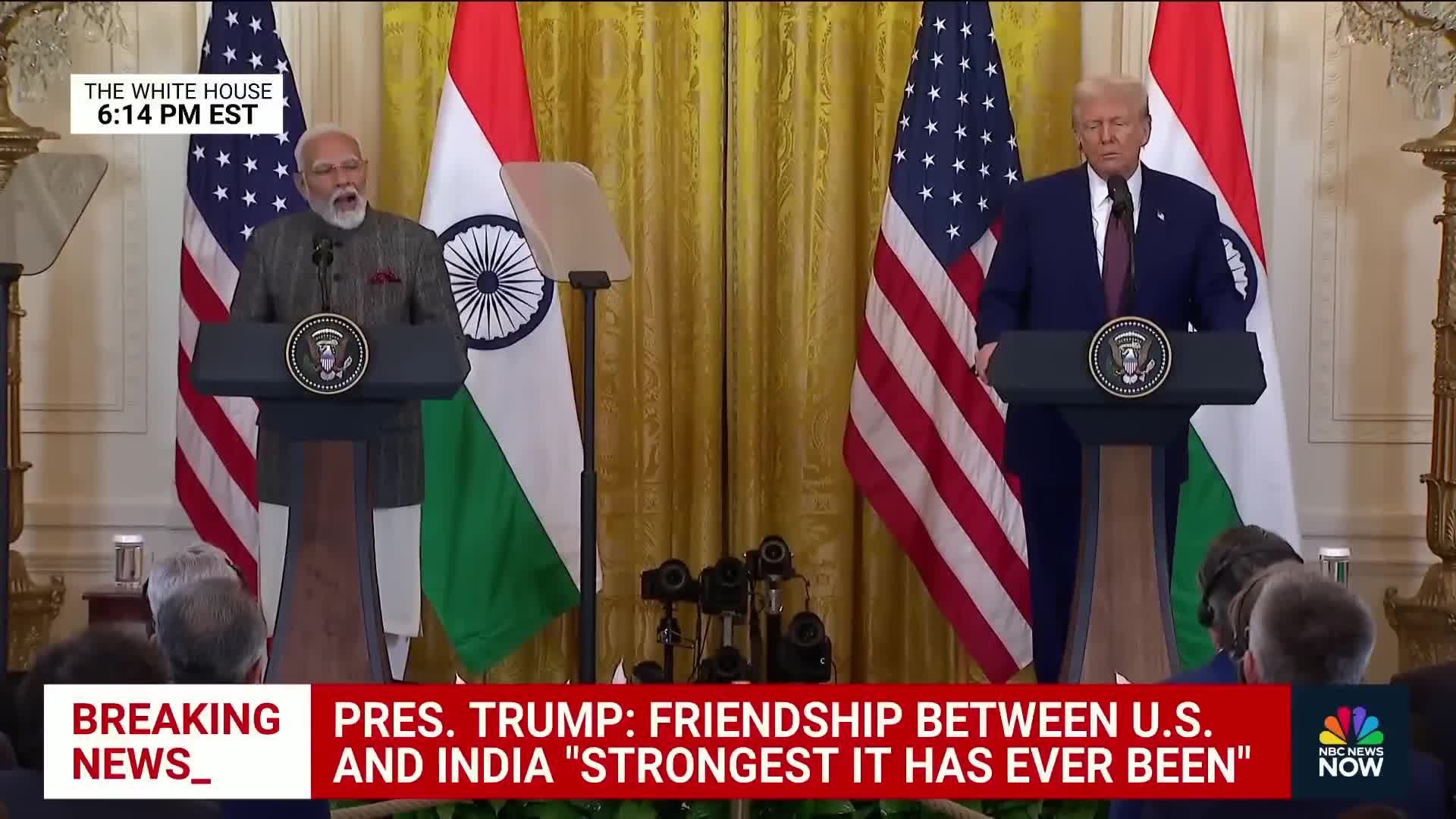
NBC News
00:00 - 01:27
How do tariff disparities and trade policies between the U.S. and Europe create unfair competitive disadvantages for American auto manufacturers?
The significant tariff and tax disparities between the U.S. and Europe create a substantial competitive disadvantage for American automakers. When a $50,000 Cadillac is exported to Germany, it faces a 10% tariff plus a 19% VAT tax, raising its price to $65,000. Meanwhile, a BMW imported to the U.S. only faces a 2.5% tariff and benefits from a German VAT rebate, allowing it to sell for $42,000. This $23,000 price difference explains why Germany sells eight times more cars to the U.S. than America sells to Germany, contributing to a $230 billion trade deficit. Such unfair trade practices ultimately harm American workers and businesses by making U.S. products less competitive in global markets.
Watch clip answer (01:11m)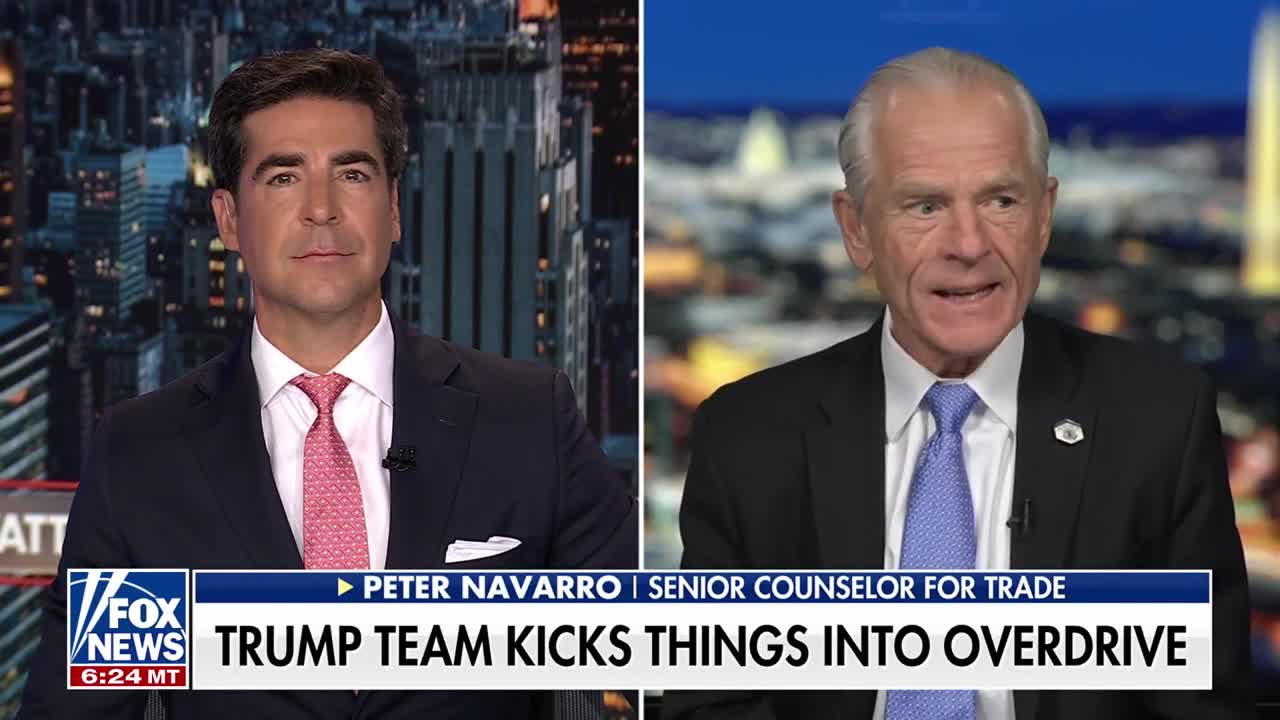
Fox News
01:16 - 02:28
What is President Trump's executive order regarding a U.S. Sovereign Wealth Fund and how does it work?
President Trump has signed an executive order to establish a U.S. Sovereign Wealth Fund, directing the Treasury and Commerce Departments to develop a comprehensive plan within 90 days. Sovereign wealth funds are investment vehicles created from a country's budget surplus reserves, typically used to invest in various sectors including stocks, bonds, infrastructure, and technology. This initiative represents part of Trump's broader economic strategy to leverage state resources for investment purposes, though specific details about funding sources and investment priorities remain to be determined in the upcoming planning phase.
Watch clip answer (00:21m)
Al Jazeera English
22:48 - 23:10
What are the key economic agreements and partnerships being established between the United States and India under President Trump's administration?
President Trump announced several crucial economic agreements with Prime Minister Modi aimed at strengthening U.S.-India bilateral relations. The leaders committed to negotiating trade agreements that address longstanding disparities in their trading relationship, seeking to create a more level playing field for both nations. A significant component involves positioning the United States as a leading supplier of oil and gas to India, leveraging America's abundant energy resources. The partnership extends beyond traditional trade to include collaboration in advanced technologies such as artificial intelligence and nuclear energy. Both leaders share an ambitious goal of doubling bilateral trade to $500 billion by 2030, demonstrating their commitment to enhanced economic cooperation. This strategic alliance promises to deliver mutual benefits: economic growth for both nations and improved energy security for India, while addressing trade imbalances through increased U.S. energy exports.
Watch clip answer (00:48m)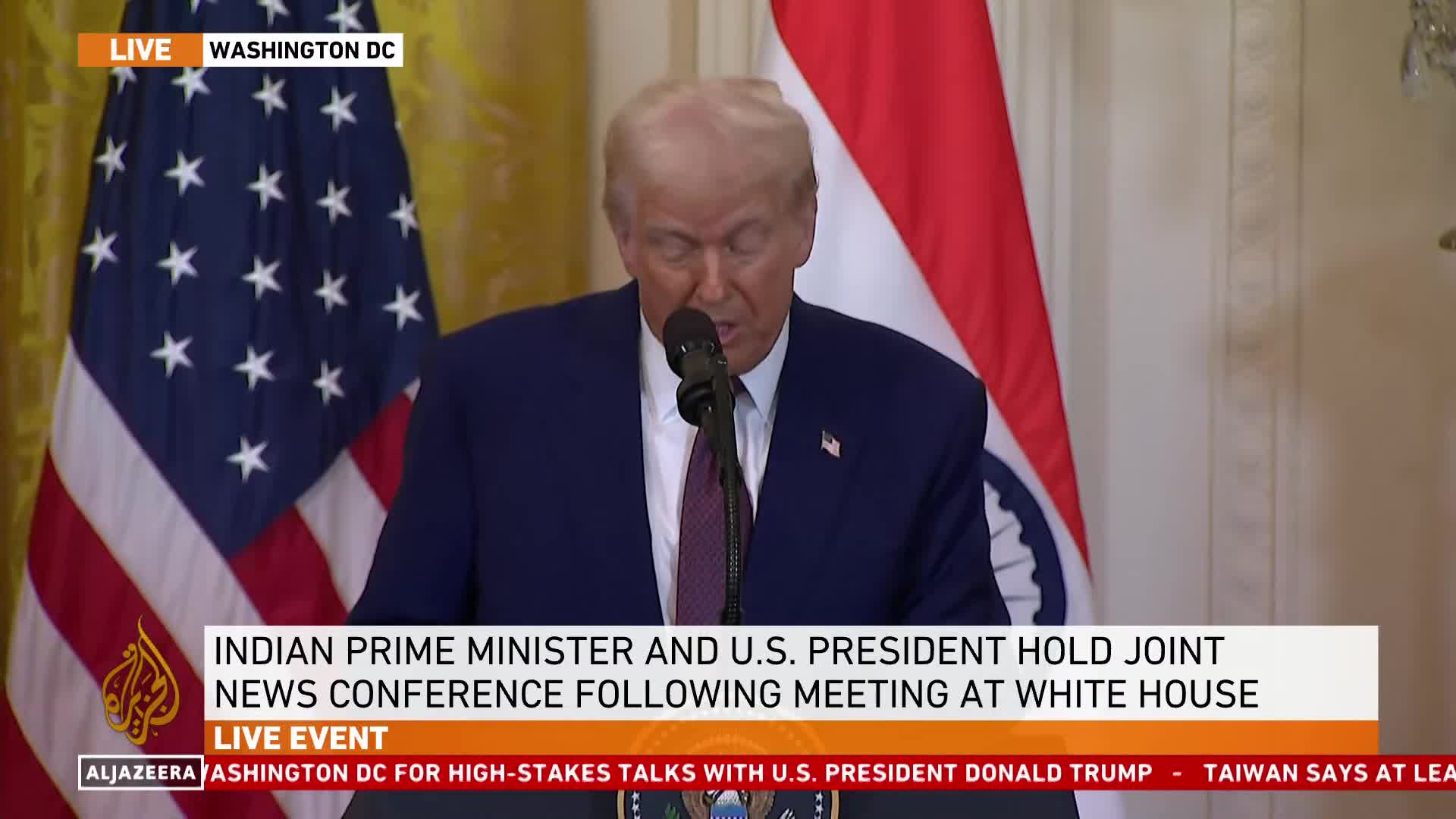
Al Jazeera English
01:16 - 02:04
What is President Trump's strategy for reshaping America's trade policy and how does he expect it to impact the U.S. economy?
President Trump's trade policy strategy involves conducting comprehensive investigations of all U.S. trading partners to identify practices that disadvantage America, including tariffs, taxes, subsidies, and currency manipulation. His administration plans to calculate reciprocal tariff levels for each country by April, with India, South Korea, Brazil, and the EU expected to face the most significant impact. Trump believes this approach will address the nation's $36 trillion debt while creating tremendous job opportunities and boosting domestic production. He asserts that despite initial price increases for consumers, costs will ultimately stabilize or decrease as American manufacturing strengthens. However, this ambitious plan faces skepticism from economists who worry about potential negative effects on both importing and exporting industries, as well as concerns about America's commitment to World Trade Organization principles.
Watch clip answer (01:08m)
Al Jazeera English
00:06 - 01:14
What are the potential economic impacts and criticisms of Trump's proposed trade policy changes involving tariffs on foreign goods?
President Trump's trade policy aims to boost domestic production and create jobs through tariffs on foreign goods, with supporters claiming it will maintain or lower prices while generating employment opportunities. The administration believes this approach will help address America's $36 trillion debt by strengthening domestic manufacturing. However, most economists express skepticism about these claims, particularly regarding inflation control and overall economic impact. Critics argue that Trump's tariff strategy lacks strategic depth and coherent planning, potentially harming both importing and exporting industries. The policy presents a complex trade-off between protecting domestic industries and managing consumer costs, with economists warning that tariffs typically lead to higher prices for consumers rather than the promised price stability.
Watch clip answer (00:35m)Al Jazeera English
01:06 - 01:42