
Corporate Accountability
Corporate accountability refers to the expectation that businesses not only comply with legal standards but also actively assume responsibility for their social, ethical, and environmental impacts. This concept extends beyond traditional metrics of profitability, urging corporations to address human rights issues, environmental sustainability, and community engagement. In recent years, the global business landscape has seen a shift towards more rigorous accountability practices, largely influenced by increasing stakeholder demands and regulatory frameworks that prioritize transparency and social responsibility. As a result, corporate governance now encompasses a broader range of considerations, including Environmental, Social, and Governance (ESG) compliance, which plays a significant role in shaping public trust and investor relations. The relevance of corporate accountability has escalated in today's world, where consumers and investors alike scrutinize corporate practices more closely than ever. This trend is underscored by the ongoing discussions around the necessity for enforceable regulations aimed at ensuring that companies remain answerable not only to their shareholders but also to the communities they impact. Recent movements highlight the need for mandatory reporting and accountability frameworks, designed to curb corporate malfeasance and foster ethical business behavior. Organizations advocating for this shift argue that effective corporate accountability can lead to more sustainable and just business practices, ultimately benefitting society as a whole. Thus, understanding the mechanisms and implications of corporate accountability is crucial for anyone engaged in today's interconnected business environment.
What did Trump say about Elon Musk's potential conflicts of interest?
Trump addressed Elon Musk's potential conflicts of interest by establishing clear boundaries. He explicitly told Musk that he cannot have any involvement with projects that might present conflicts, particularly emphasizing space-related federal projects that SpaceX is involved with. Trump made it clear that despite their working relationship, self-regulation is necessary, stating: "Any conflicts, I told Elon, any conflicts, you can't have anything to do with that... anything to do with possibly even space, we won't let Elon partake in that." This indicates Trump's awareness of the need to maintain ethical boundaries when working with a major federal contractor.
Watch clip answer (00:09m)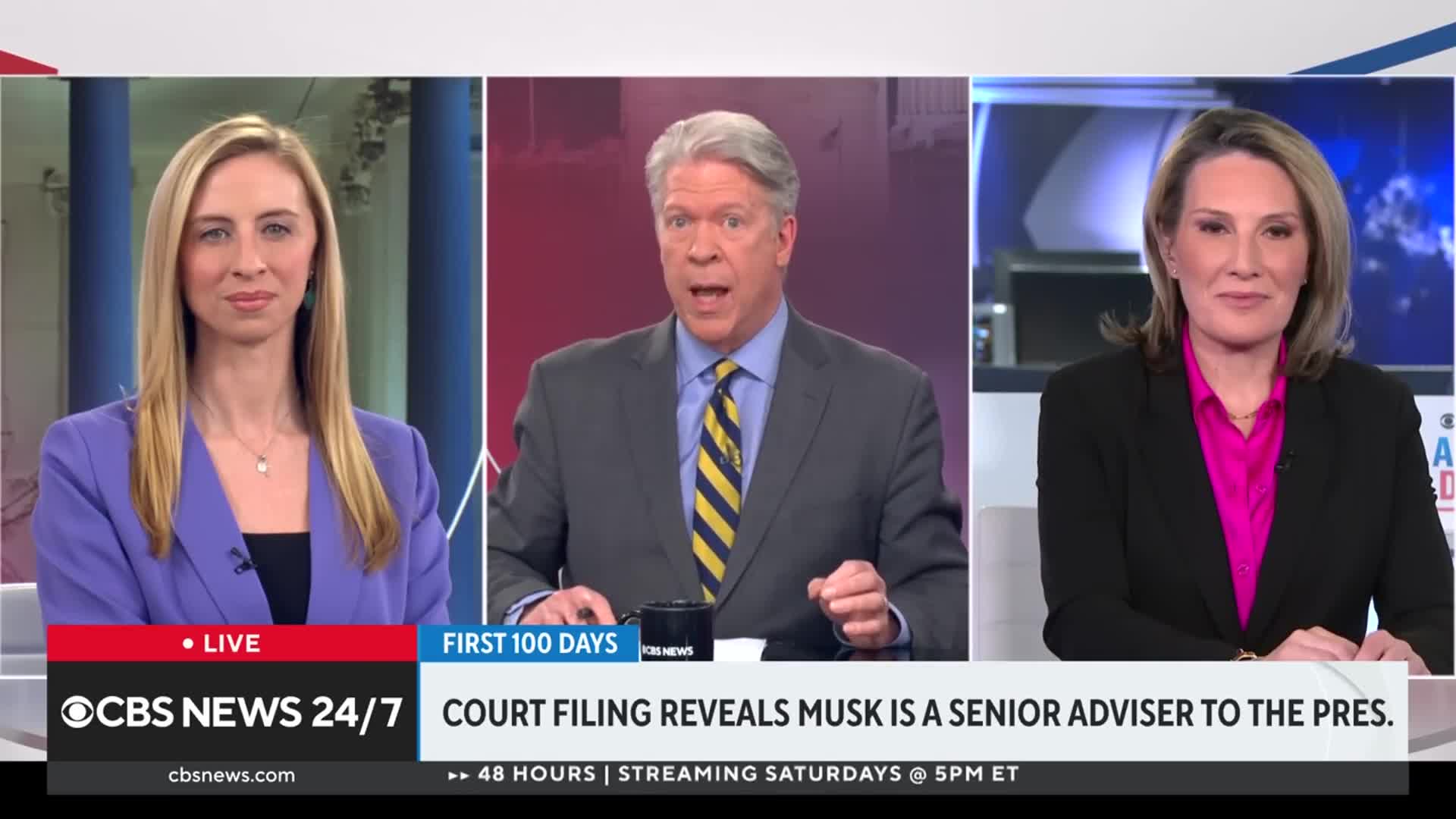
CBS News
01:12 - 01:21
What concerns exist regarding Elon Musk's relationship with the Trump administration and potential conflicts of interest?
President Trump was questioned about potential conflicts of interest involving Elon Musk, who is both the world's richest man and a major federal contractor receiving billions in government funding. The concern stems from Musk's unique position where he could potentially influence or benefit from federal contract decisions, particularly regarding his company SpaceX and NASA partnerships. These questions arise as the administration faces scrutiny over proper oversight of federal payments and contracts. The situation highlights the complex intersection between business interests and government service, raising legitimate governance concerns about accountability and proper management of potential conflicts when powerful business figures have close ties to administration officials.
Watch clip answer (00:15m)CBS News
00:55 - 01:10
What concerns does Meghan Hays raise about Elon Musk's role in the White House strategy?
Meghan Hays expresses concern that the White House is trying to have it both ways with Elon Musk, claiming he's not in charge while also designating him as a special government employee. Drawing from her experience in two administrations, she explains that special government employees have the same access as regular employees, creating a potential conflict of interest. Hays believes everyone should be concerned about what Musk is gaining access to and the power the president is giving him. She warns that Republicans will likely face political consequences downstream, particularly as their constituents experience the effects of this arrangement.
Watch clip answer (00:34m)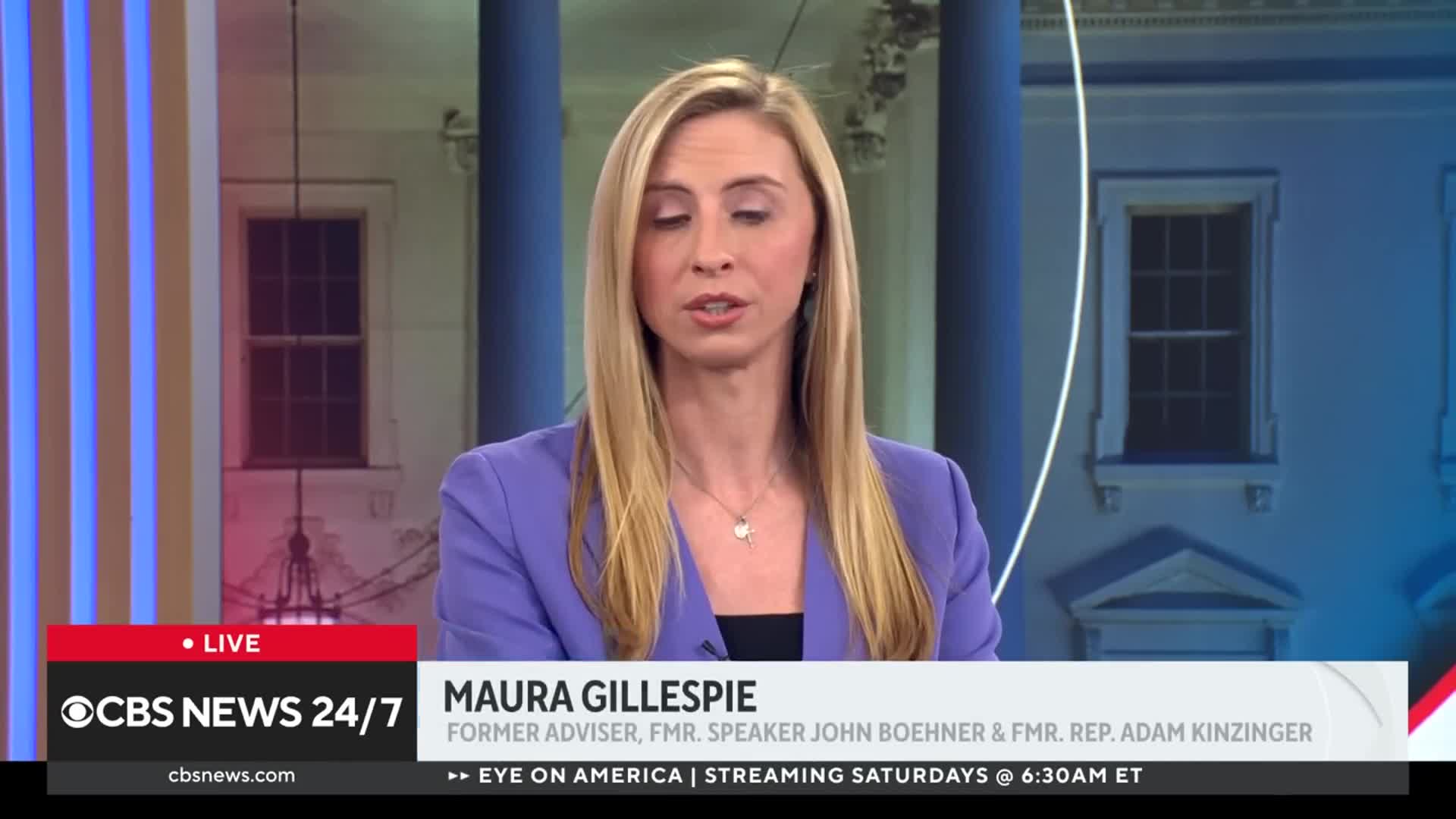
CBS News
03:31 - 04:06
What is the main concern regarding the Consumer Financial Protection Bureau (CFPB) funding structure?
According to Ben Shapiro, the primary concern with the CFPB is that it operates independently from congressional funding oversight. As Shapiro points out, the bureau "would have no mandate to protect the safety and soundness of the financial institutions it regulates" and "would not rely on Congress for funding." This independence from Congress creates a situation where the CFPB lacks proper accountability mechanisms, potentially leading to an unregulated financial regulatory body. The funding structure essentially allows the bureau to operate outside the normal checks and balances that apply to other government agencies, raising questions about its effectiveness and constitutional legitimacy.
Watch clip answer (00:05m)
Ben Shapiro
28:17 - 28:23
How is Bud Light attempting to recover from its brand crisis after the Dylan Mulvaney controversy?
Bud Light is attempting to recover from its brand crisis by pivoting to traditionally masculine marketing that appeals to its core audience. After featuring transgender influencer Dylan Mulvaney destroyed their brand equity, they've adopted an aggressively male-oriented approach by enlisting figures like Shane Gillis, Post Malone, and Peyton Manning in their advertisements centered around stereotypically masculine themes. This strategy shift demonstrates Bud Light's deliberate attempt to reconnect with their traditional customer base through what Shapiro describes as going 'as bro as humanly possible.' Their commercials now focus on typically male-associated activities like 'cul de sac parties' that prominently feature male celebrities, representing a complete reversal from their previous marketing approach.
Watch clip answer (00:44m)
Ben Shapiro
00:02 - 00:46
How does Mark Fogel feel about returning to the United States after his wrongful detention in Russia?
Mark Fogel expresses profound gratitude and happiness about his return to the United States after being wrongfully detained in Russia. In his emotional statement, he clearly articulates his love for America, saying "I love our country and I'm so happy to be back here." His heartfelt words reflect both relief and patriotism following what was likely a traumatic experience of unjust imprisonment abroad. The moment is made more significant by the presence of former President Donald Trump during this statement of homecoming and appreciation.
Watch clip answer (00:14m)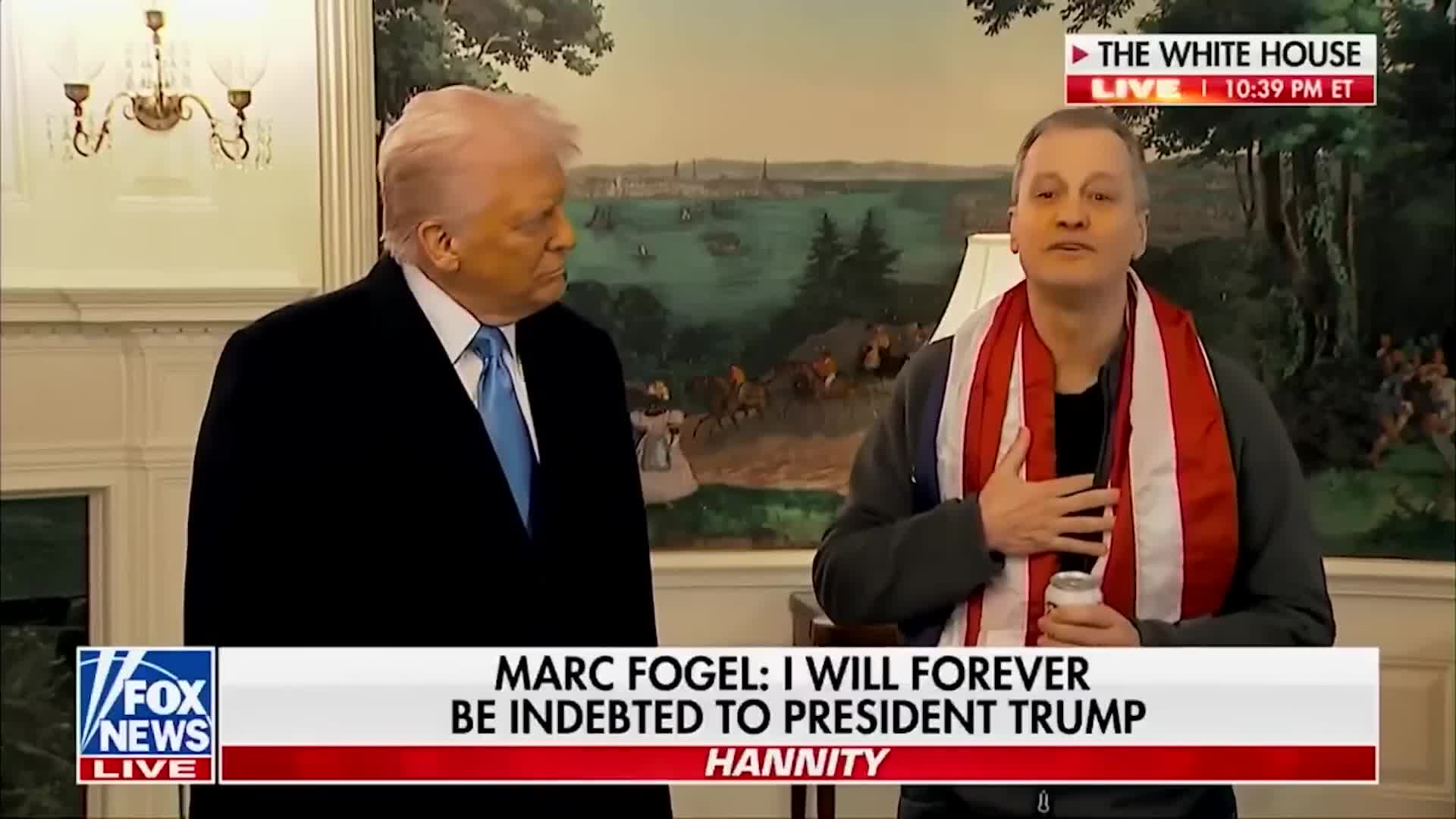
Ben Shapiro
05:00 - 05:15