
Aviation Industry
The aviation industry is a crucial component of the global economy, encompassing a wide spectrum of activities related to air travel, including passenger and cargo airlines, aircraft manufacturing, maintenance, and essential services. Recently, this sector has been on a robust recovery trajectory, with industry revenues anticipated to exceed $1 trillion and passenger numbers projected to top 5.2 billion, fueled by the resurgence of leisure and business travel alongside international tourism. The growth momentum highlights the significance of strategic investments in areas such as pilot training, aircraft maintenance, and aviation safety, which are critical for ensuring operational reliability and passenger confidence. Transformative trends are redefining the aviation landscape, with a strong emphasis on sustainability and technological innovation. As the industry moves towards decarbonization, there is a notable shift towards Sustainable Aviation Fuel (SAF) and pioneering research into hybrid-electric and hydrogen-powered aircraft. Artificial intelligence (AI) plays an increasingly central role in optimizing flight scheduling, enhancing predictive maintenance protocols, and streamlining airport operations through automation and digital solutions. However, the industry also faces challenges, such as labor shortages, fluctuating fuel costs, and shifting regulatory frameworks that can impact the adoption of advanced aviation technologies. Overall, the aviation sector remains pivotal to global connectivity and trade, highlighting its crucial role in economic recovery and growth during this transformative period.
How are Trump's federal employee terminations affecting aviation safety in the United States?
Trump's administration has been firing thousands of federal employees, including hundreds from the FAA, exacerbating the nationwide shortage of air traffic controllers. These terminations, reportedly done without cause and not based on performance, come at a concerning time following recent aviation incidents including a fatal mid-air collision over Washington D.C. and a crash landing in Toronto. The president of a union representing 11,000 FAA and DoD employees noted that probationary workers received termination emails, raising serious concerns about air travel safety as these staffing reductions occur during an already critical shortage of qualified personnel.
Watch clip answer (00:55m)
Philip DeFranco
02:32 - 03:27
What is happening with air travel in 2025?
Based on the clip, air travel in 2025 is experiencing significant disruption and chaos. The situation includes a major incident involving Delta Airlines Flight 4819, which crashed during severe weather conditions. Passengers have shared their experiences of the rough landing and subsequent aftermath. This incident appears to be part of a broader crisis in aviation safety, with mass firings of FAA employees and severe shortages in air traffic control personnel contributing to growing concerns about travel safety.
Watch clip answer (00:07m)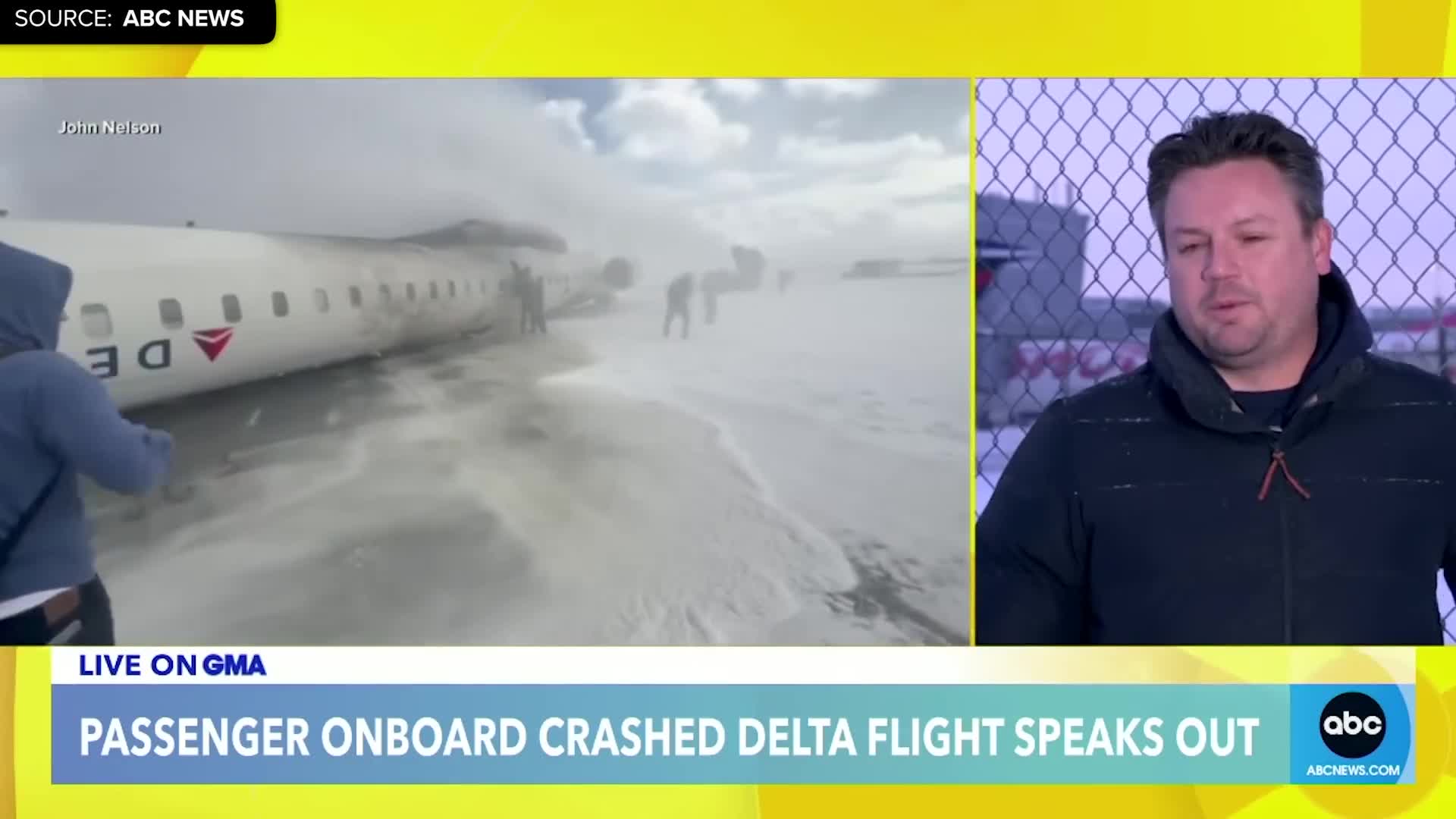
Philip DeFranco
00:00 - 00:07
What was the extent of damage to Delta Airlines Flight 4819 during the crash?
Delta Airlines Flight 4819 suffered catastrophic damage during its crash landing in snowy conditions. According to the report, the tail section was completely torn off, along with one of the wings, highlighting the severity of the impact. The plane also flipped upside down and burst into flames after the rough landing. Despite the extensive structural damage that rendered the aircraft completely destroyed, emergency responders including air traffic controllers, paramedics, and firefighters rapidly mobilized, successfully rescuing all 80 occupants from the burning wreckage, though many sustained injuries.
Watch clip answer (00:09m)Philip DeFranco
01:03 - 01:12
Who is investigating the Delta Flight 4819 crash?
The Delta Flight 4819 crash is being investigated by Canadian authorities with assistance from officials at the FAA (Federal Aviation Administration). This collaborative approach reflects the international nature of the incident, which occurred during a rough landing in Toronto amid challenging weather conditions including gusty winds and icy runways. The investigation aims to determine the exact causes of this harrowing incident where the plane flipped upside down and caught fire, though remarkably all 80 passengers and crew survived. This cooperative investigation between Canadian and U.S. authorities is crucial for understanding the crash and its implications for aviation safety.
Watch clip answer (00:03m)Philip DeFranco
02:15 - 02:18
What is the purpose of the Climate Impulse project?
The Climate Impulse project aims beyond just setting a record with a liquid hydrogen-powered aircraft flying around the world. Its primary purpose is to create a demonstrator that can transfer sustainable hydrogen propulsion technology to civil aviation with greater passenger capacity. If successful, Climate Impulse will mark a milestone in sustainable air travel development. Backed by aerospace giant Airbus, the project focuses on advancing hydrogen-based aviation research through a lightweight, highly efficient aircraft capable of harnessing energy from atmospheric turbulence. Despite technical challenges ahead, the scheduled test flight in 2026 will determine whether this technology can truly pave the way for cleaner aviation solutions.
Watch clip answer (01:08m)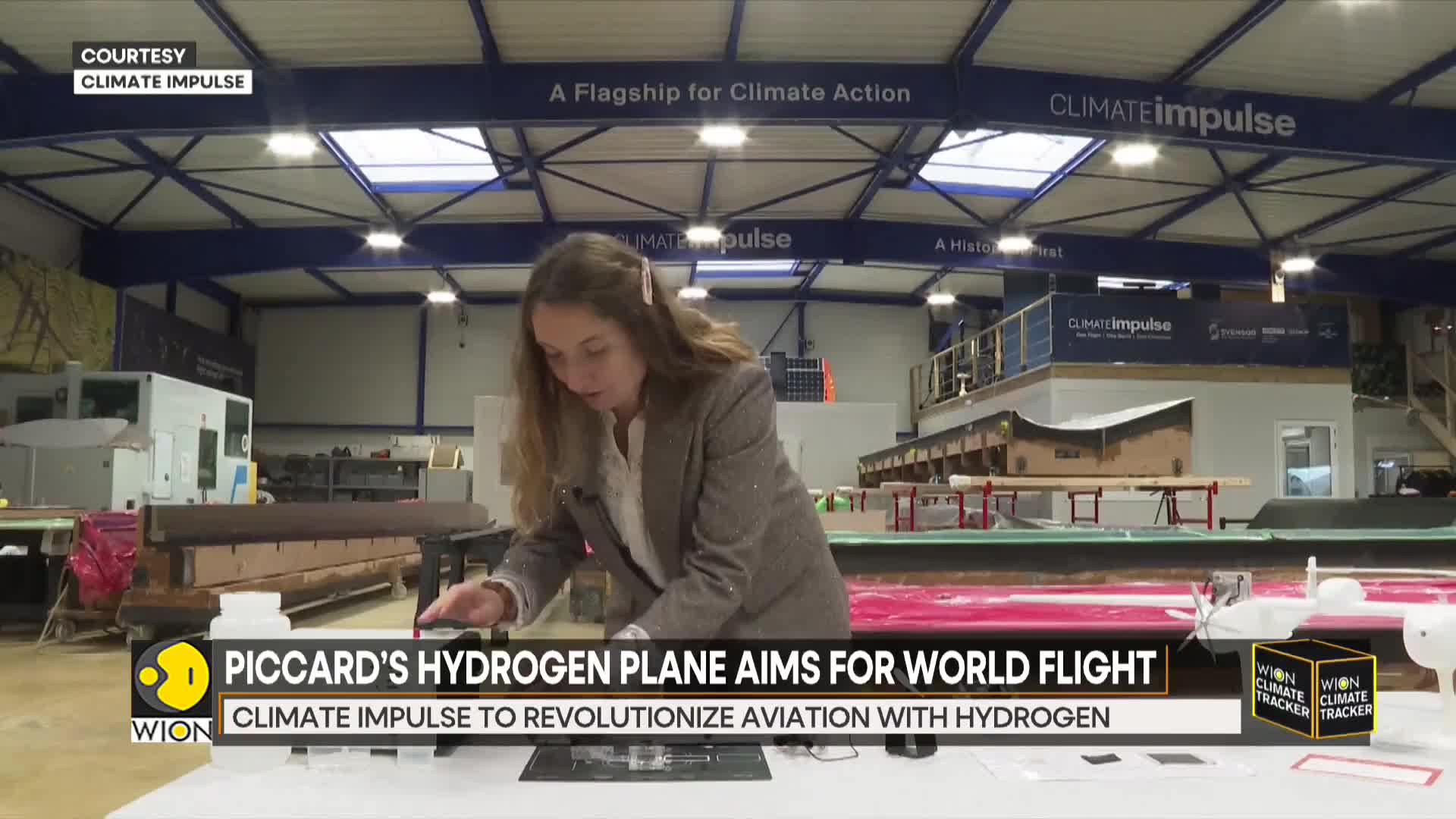
WION
02:46 - 03:54
What is Climate Impulse and how does it aim to revolutionize sustainable aviation?
Climate Impulse is an innovative two-seater aircraft designed to fly around the world non-stop for nine days without refueling, while producing zero emissions. The plane will be powered by green hydrogen, which is produced through renewable electricity and then liquefied and stored in supercooled tanks integrated into the aircraft's fuselage. This pioneering project aims to demonstrate the viability of hydrogen-powered flight for the future of sustainable aviation. The final version will use liquid hydrogen stored in two large fuel tanks, with a cockpit in the middle for two pilots. This groundbreaking technology represents a significant step toward decarbonizing air travel through practical application of hydrogen power.
Watch clip answer (01:03m)
WION
00:28 - 01:32