
Aid Blockade
An **aid blockade** is a military and political strategy that severely restricts the flow of essential goods, services, and humanitarian assistance into specific regions, primarily to exert control over those territories. Recently, the focus has shifted to the **humanitarian aid blockade** affecting Gaza, where a sustained Israeli blockade has drastically limited access to vital resources, including food, water, medical supplies, and fuel. This situation has created a dire **humanitarian crisis**, as millions of civilians are trapped in conditions of extreme deprivation, suffering from malnutrition, illness, and rampant violence. The current blockade has been in effect since March 2025, following the collapse of a ceasefire, and has exacerbated the ongoing humanitarian emergency in Gaza. Reports highlight that over 2.1 million civilians are facing severe food shortages and a collapsing healthcare system, forced to contend with a lack of lifesaving supplies. Humanitarian organizations have documented alarming statistics, such as thousands of children suffering from acute malnutrition. This situation raises critical legal and ethical concerns, as the restrictions on aid delivery can violate international humanitarian laws, which mandate unimpeded access to humanitarian assistance for affected populations. Calls from global leaders and humanitarian advocates emphasize the urgent need for lifting these **aid delivery restrictions** to restore access to necessary aid, protect civilian lives, and mitigate the catastrophic impact of the blockade on vulnerable communities.
What recent court ruling has been made regarding U.S. foreign aid distribution?
A federal judge has ordered that the Biden administration must temporarily resume distributing U.S. foreign aid as it was before Trump took office. This ruling follows a lawsuit filed by nonprofits working on international aid projects who requested the judge block the president's executive order that had implemented a blanket pause on U.S. foreign aid distribution. The court's decision represents a significant development for organizations involved in global humanitarian efforts and marks an important shift in current foreign aid policy.
Watch clip answer (00:23m)
MSNBC
08:29 - 08:53
What is Israel offering in return for the hostages being released by Hamas?
In return for the hostages being released by Hamas, Israel has committed to freeing all women prisoners and those under the age of 19 who were arrested since October 8, 2023, the day after the Hamas attacks. This prisoner exchange is part of the ongoing ceasefire negotiations between the parties. Additionally, Israel has begun allowing essential construction equipment into Gaza from Egypt, including heavy machinery for rubble removal. These concessions represent significant humanitarian steps as part of the fragile peace process following the October 7 attacks.
Watch clip answer (00:25m)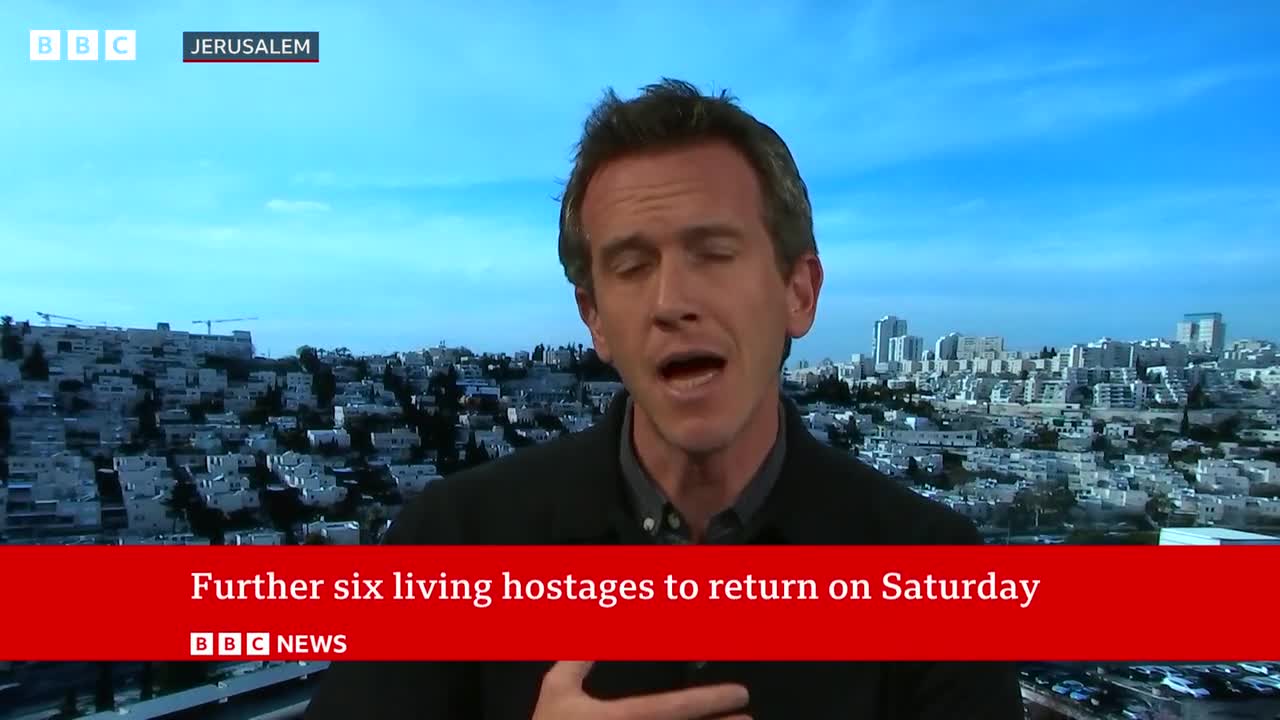
BBC News
03:06 - 03:31
What is included in Hamas' upcoming hostage release and what are they getting in exchange?
Hamas has announced plans to release the bodies of four deceased Israeli hostages on Thursday, including the two youngest captives, Kfir and Ariel Bibbus. Additionally, Hamas will release six living hostages on Saturday, instead of the previously expected three. This hostage release is reportedly being made in exchange for allowing more humanitarian aid into Gaza, specifically mobile homes and construction equipment that is desperately needed, especially in northern Gaza. This exchange represents a significant humanitarian negotiation in the ongoing conflict, addressing both Israeli families' needs for closure and Gaza's urgent reconstruction requirements.
Watch clip answer (00:41m)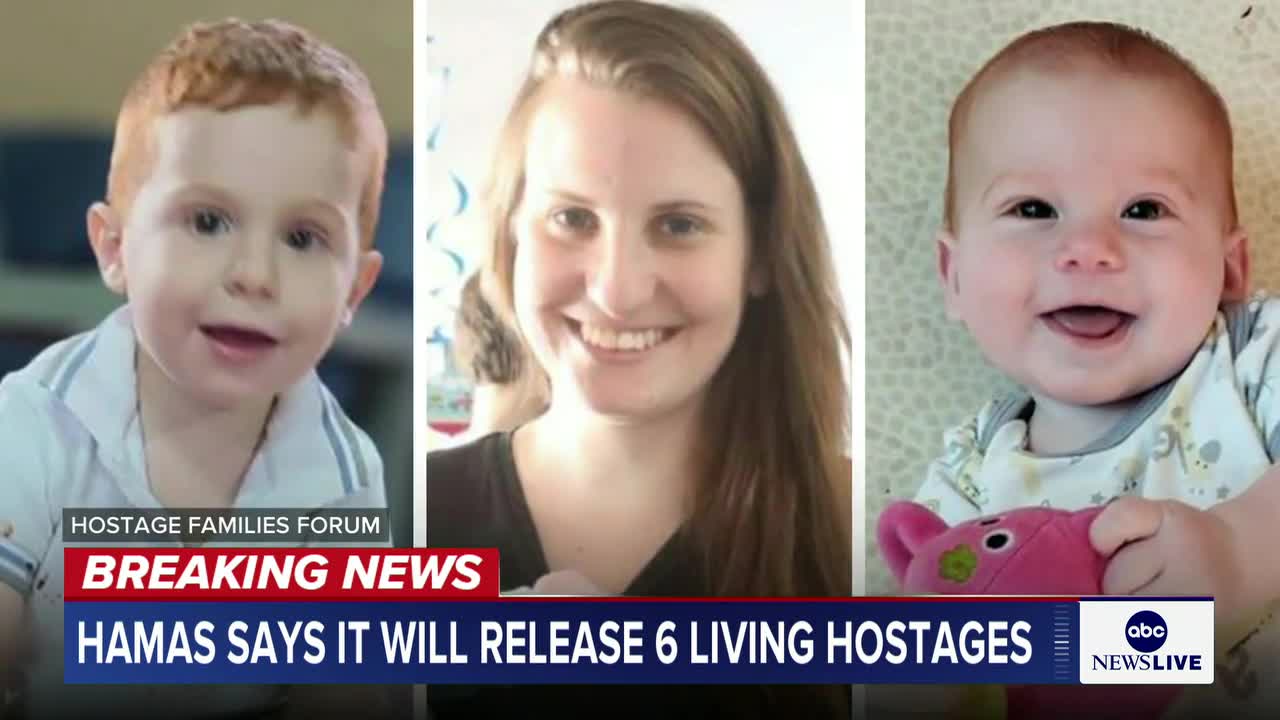
ABC News
00:28 - 01:10
What is Hamas's announcement regarding captives and what is the purpose of this gesture?
Hamas announced the return of four bodies and the release of six living captives as part of a ceasefire agreement. This move is described as a gesture within a renegotiated deal with Israel regarding the terms of their agreement. Israel has adjusted the conditions under which it would fulfill its obligations in the arrangement. The release, scheduled for Thursday, is intended to facilitate the entry of humanitarian aid into Gaza, specifically caravans, tents, and heavy equipment. This aid is critically needed in Gaza amid the ongoing conflict, with the exchange representing a calculated step in the complex negotiation process between the parties while addressing urgent humanitarian concerns.
Watch clip answer (00:22m)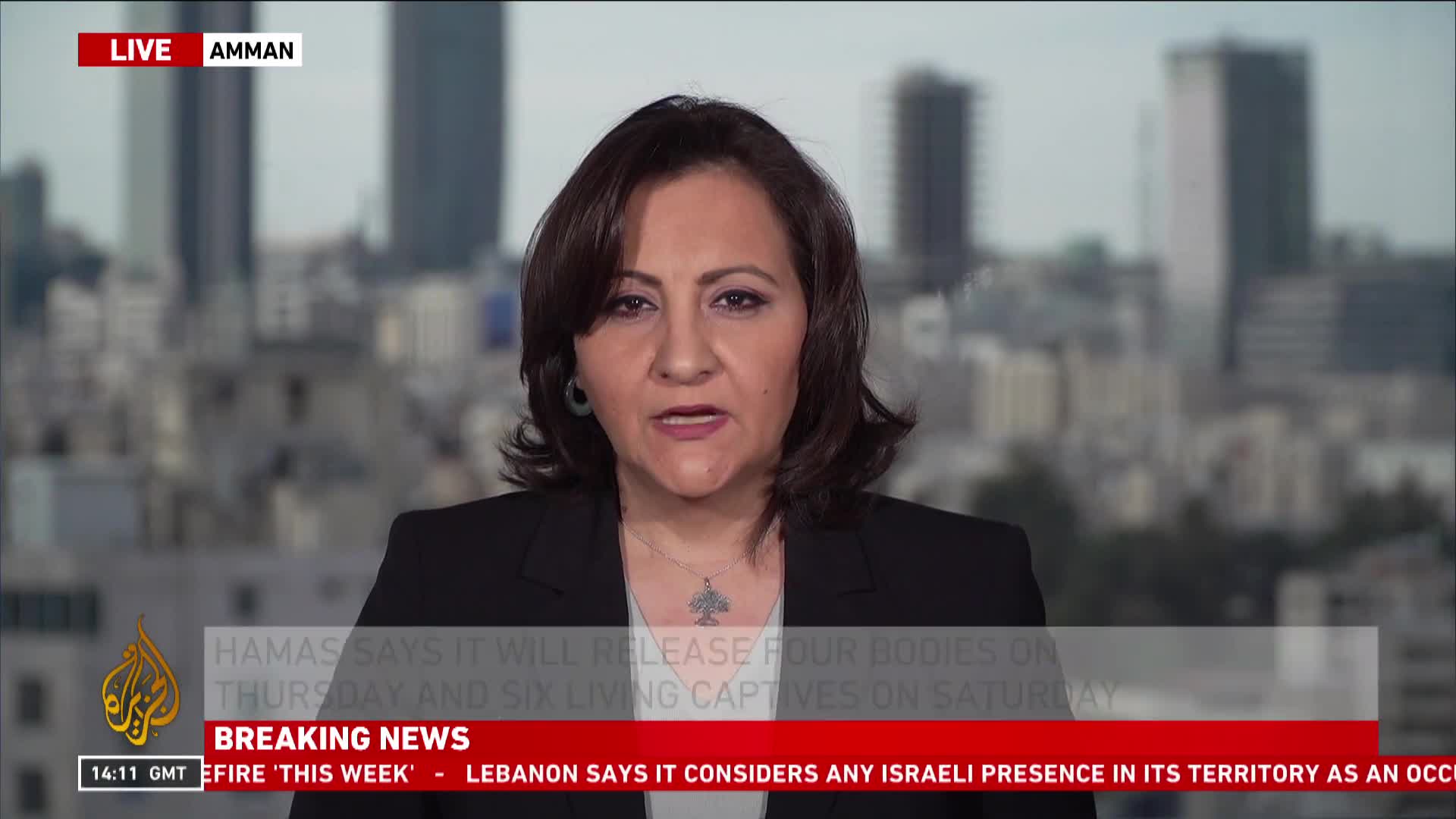
Al Jazeera English
01:48 - 02:11
What consequences does Israel threaten if Hamas refuses their ultimatum?
If Hamas refuses Israel's ultimatum to disarm, Israeli officials warn they will 'open the gates of hell' through a swift and complete conquest of the Gaza Strip. This would include an immediate halt to all essential resources - aid, water, electricity, and fuel. Additionally, Israel threatens to relocate the entire Gaza population to a designated area and begin implementing the migration of Gaza's residents to other countries. These severe measures highlight Israel's hardline stance in the conflict, indicating their willingness to take extreme actions if Hamas fails to comply with their demands.
Watch clip answer (00:21m)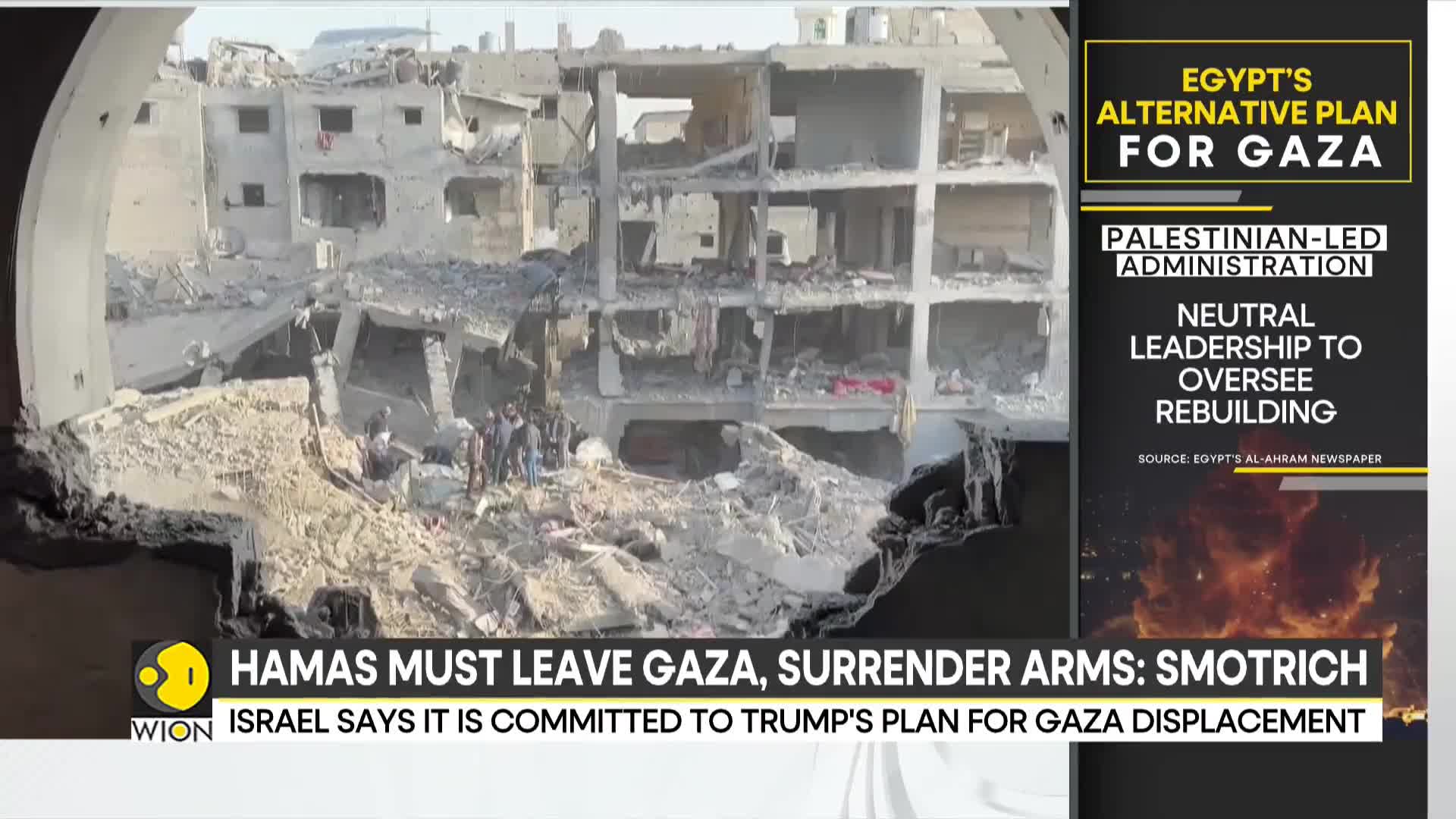
WION
01:00 - 01:22
Why are shelters not reaching Gaza despite being part of the ceasefire agreement?
Israel is reportedly blocking the entry of shelters into Gaza, despite this being a condition of the ceasefire agreement. Under the agreement, Israel had committed to allowing 60,000 mobile homes and 10,000 tents into Gaza, but only 20,000 tents have been permitted entry while none of the mobile homes have gained access. The tens of thousands of mobile homes remain stranded at the Rafah crossing with Egypt, awaiting Israeli permission to enter. This blockage comes as Israel continues its military operations in Gaza, violating key humanitarian provisions of the ceasefire deal that was meant to provide essential shelter for displaced Palestinians.
Watch clip answer (00:44m)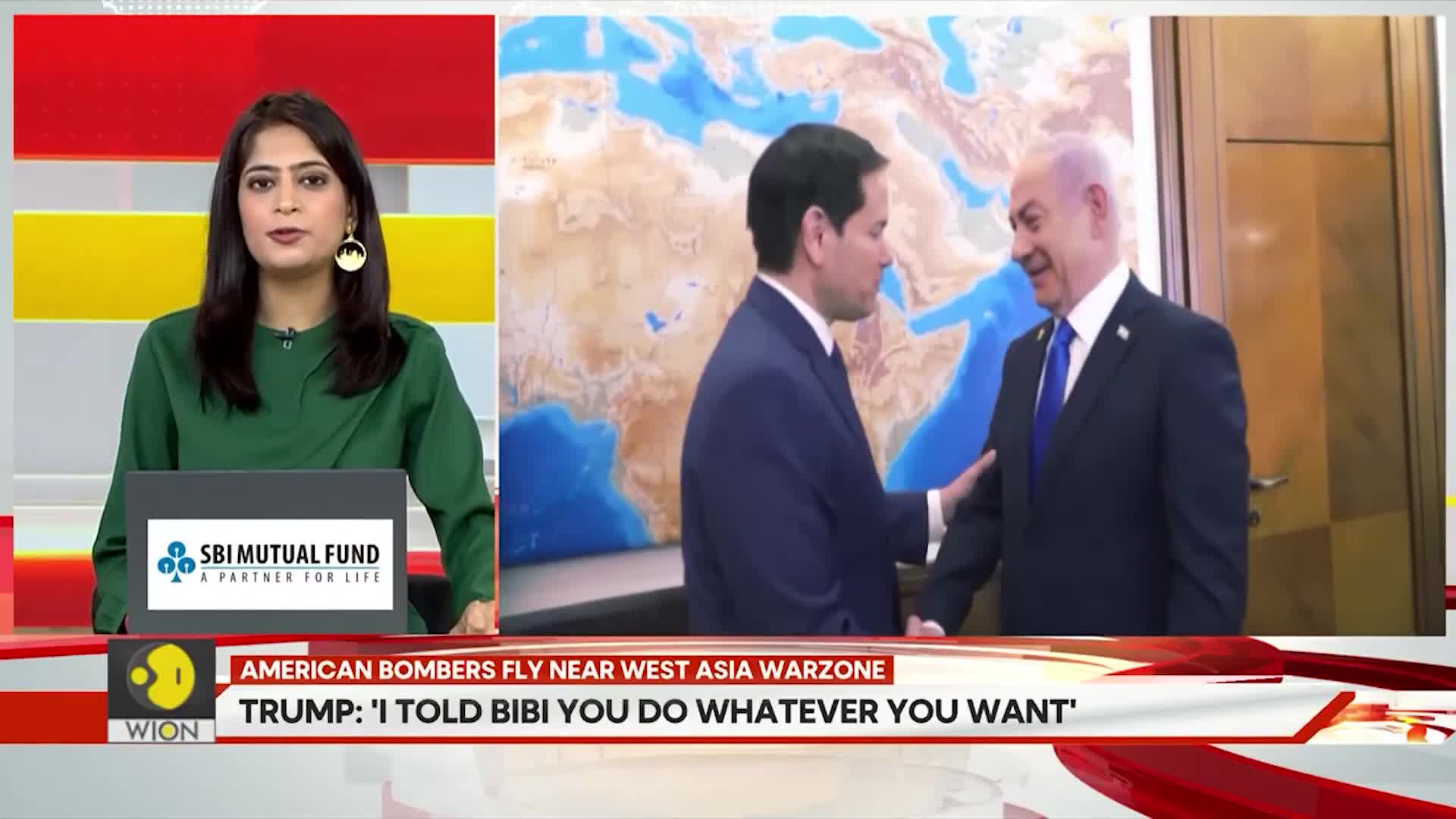
WION
02:36 - 03:21