International Relations
What is the current focus of NATO defense ministers' meeting in Brussels regarding the Ukraine conflict?
NATO defense ministers are currently convening in Brussels with Ukraine's ongoing war as their primary agenda item. The meeting has been prompted by recent diplomatic communications involving key world leaders - specifically phone calls between U.S. President Trump and Russian President Putin, followed by a subsequent call to Ukrainian President Zelensky. The ministers are focusing on strengthening NATO's collective defense posture and addressing defense spending requirements in response to escalating Russian aggression. These high-level discussions aim to coordinate cooperative peace efforts while navigating the complex geopolitical landscape surrounding the Ukraine conflict. The timing of this meeting reflects the urgent need for NATO allies to reassess their strategic approach and maintain unified support for Ukraine amid evolving diplomatic developments between major world powers.
Watch clip answer (00:28m)
BBC News
02:32 - 03:01
What is NATO's current role and how has it evolved in response to Russian aggression in Ukraine?
NATO has undergone a fundamental transformation in response to Russia's aggression in Ukraine, serving as what Secretary Hegseth describes as a "factory reset" for the alliance. The organization has shifted its focus back to its core mission of European deterrence and collective defense, moving away from the more diverse global missions it undertook in places like Afghanistan. The current crisis has reinvigorated NATO's purpose, emphasizing the need for increased defense spending among European nations and maintaining a united front against Russian territorial ambitions. Secretary Hegseth highlights America's continued commitment to the alliance while stressing the importance of burden-sharing and robust defensive strategies. This evolution represents NATO's return to its foundational principles of collective security in Europe, demonstrating the alliance's adaptability in facing contemporary threats to regional stability and sovereignty.
Watch clip answer (00:31m)BBC News
03:57 - 04:29
What are President Trump's plans regarding diplomatic engagement with Russia to address the Ukraine war?
US President Donald Trump has announced his intention to meet with Russian President Vladimir Putin in the near future to discuss strategies for ending the ongoing war in Ukraine. This proposed meeting represents a dramatic shift in international diplomatic relations, as it would break Putin's years of diplomatic isolation that began following Russia's full-scale invasion of Ukraine. The potential Trump-Putin meeting signals a significant departure from the current international approach of isolating Russia through sanctions and diplomatic exclusion. Such a meeting could have far-reaching implications for global geopolitics, NATO relationships, and the future resolution of the Ukraine conflict, marking a pivotal moment in international diplomacy.
Watch clip answer (00:14m)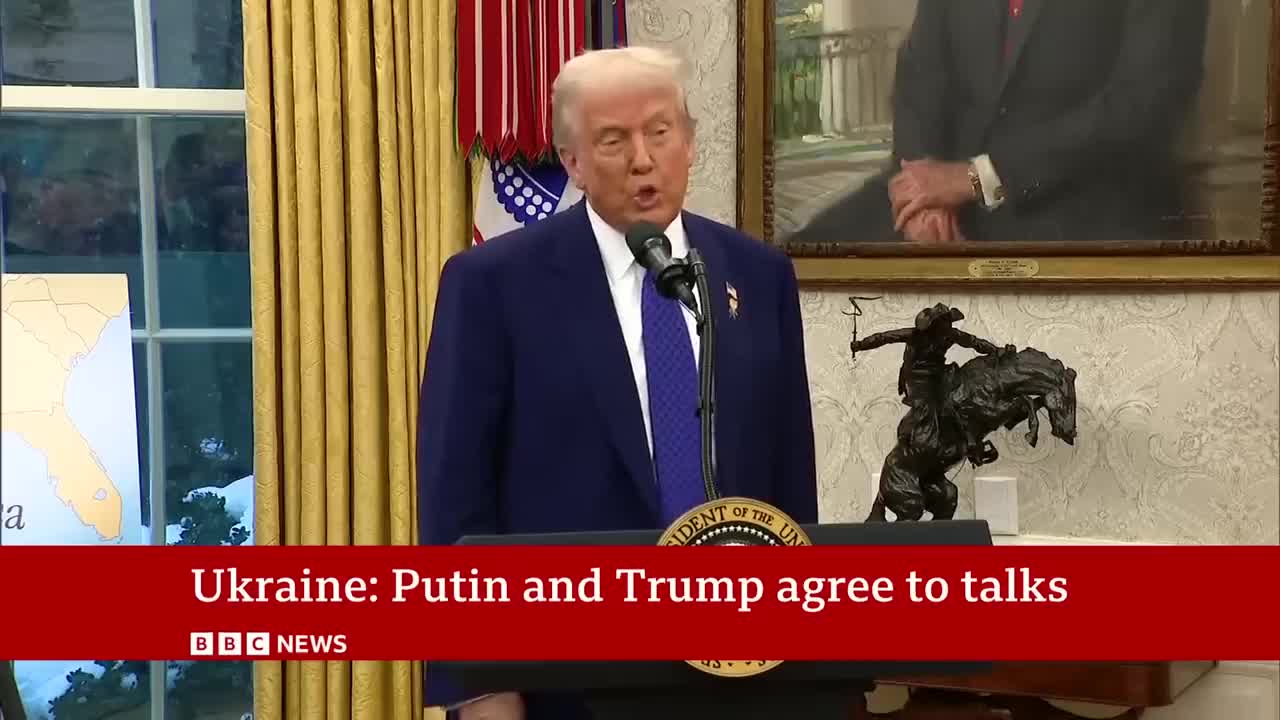
BBC News
00:00 - 00:14
What are Trump's views on the potential for achieving peace in the Ukraine-Russia conflict based on his recent diplomatic communications?
Former President Trump expresses optimism about achieving peace in Ukraine following his recent hour-long conversation with President Putin and subsequent call with President Zelensky. He believes all three leaders share a common desire for peace and want to end the devastating conflict that has resulted in significant casualties. Trump's primary motivation appears to be humanitarian, stating his simple wish to "see people stop getting killed." His diplomatic approach suggests he views himself as a potential mediator who could facilitate negotiations between the warring parties. The former president's assessment indicates he sees genuine willingness from both Putin and Zelensky to pursue peaceful resolution, suggesting that diplomatic channels remain open and that there may be momentum toward potential peace talks or negotiations to end the ongoing war.
Watch clip answer (00:24m)BBC News
00:52 - 01:16
What is the current U.S. position on Ukraine's future regarding territorial concessions and NATO membership?
The United States, under new Defense Secretary Pete Hegseth, has delivered a blunt message to Ukraine regarding America's evolving stance on the conflict. During a conference in Brussels, Ukraine was clearly informed that Washington expects territorial concessions to Russia as part of any peace settlement. Additionally, the U.S. position indicates that Ukraine should abandon its aspirations for NATO membership. This represents a significant shift in American policy, as these discussions occur against the backdrop of ongoing diplomatic efforts, including anticipated conversations between President Trump and Vladimir Putin. This new stance reflects the complex geopolitical realities and America's pragmatic approach to resolving the Ukrainian conflict through diplomatic channels rather than continued military support for territorial recovery.
Watch clip answer (00:36m)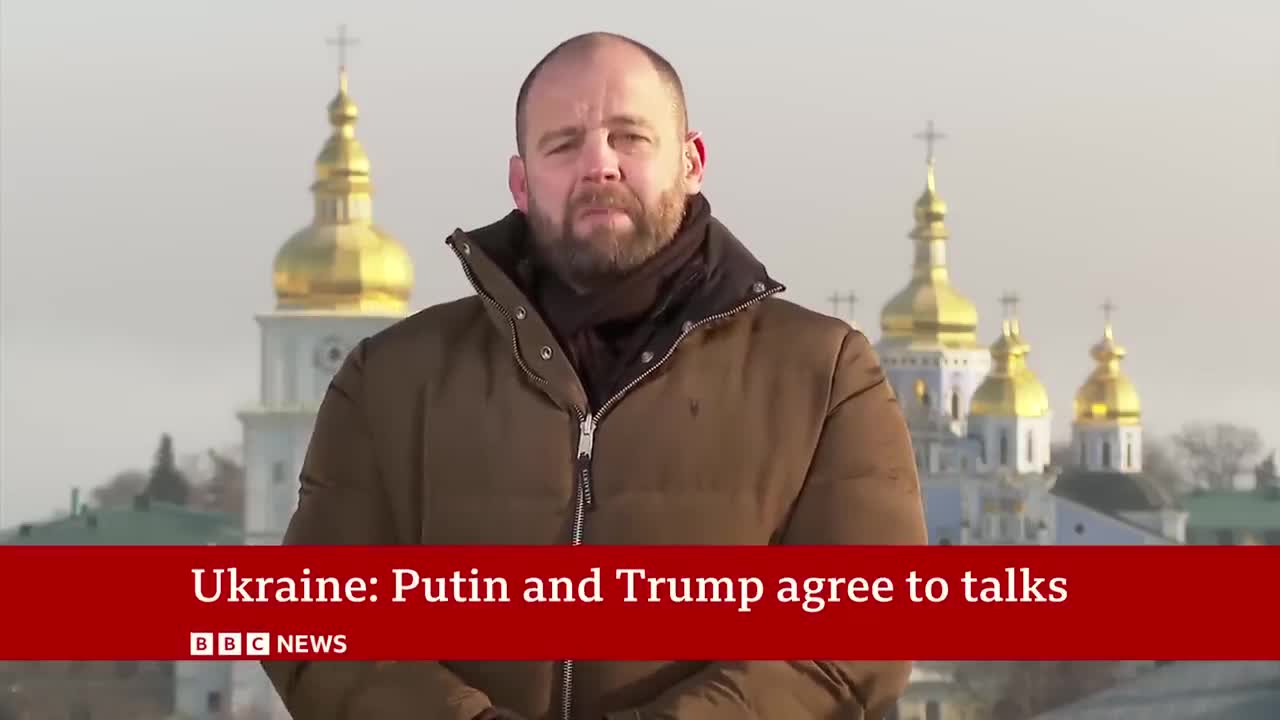
BBC News
05:51 - 06:28
What do President Trump's recent comments about his phone call with Putin mean for potential negotiations to end the war in Ukraine?
President Trump's Truth Social post reveals a significant diplomatic development, as he announced a "lengthy and highly productive phone call" with Vladimir Putin where they agreed to work together closely and have their teams begin immediate negotiations. Trump indicated he would inform President Zelenskyy of this conversation and has assigned key officials including Secretary of State Marco Rubio and CIA Director to lead the negotiations. However, BBC Security Correspondent Frank Gardner provides a cautious perspective, noting that while this development is meaningful, "it doesn't mean that there is going to be a successful outcome." The initiation of formal diplomatic channels represents progress, but the complex realities of the conflict, including Russia's military capabilities and Ukraine's challenging position with shifting global support, suggest that successful resolution remains uncertain despite these promising initial steps.
Watch clip answer (00:54m)
BBC News
00:23 - 01:17